Dic 12, 2012 | Arte e cultura, Prato
 di Simone Focardi – E’ stato un enfant prodige, un genio de Made in Italy e questa mostra racconta innanzitutto la sua creatività, la bellezza e la varietà delle sue creazioni. Il sogno della moda, la sua capacità di affermarsi.
Una mostra glamour, accogliente, elegante, fantasiosa com’era la moda di Coveri.
La leggerezza e la passione sono le sue chiavi. Dunque soprattutto abiti, sfilate, foto di moda, copertine di giornale, le opere d’arte che Coveri ha amato, i grandi, le modelle bellissime che ha lanciato da Claudia Schiffer a Naomi Campbell.
L’allestimento è sorprendente, leggero, capace di far sognare. La dimensione economico-aziendale e sociale, il rapporto coi suoi anni, la strategia industriale sono affrontati soprattutto nel video introduttivo e nel catalogo.
Grande appassionato dell’arte di ogni epoca, Enrico Coveri aveva un talento naturale per capire gli artisti suoi contemporanei: non a caso, a New York aveva conosciuto e aveva fatto amicizia con Keith Haring e soprattutto con Andy Warhol, che gli dedicherà una serie di ritratti e, caso unico, disegnerà il marchio della sua azienda.
Anche in Italia, Enrico frequentava molti fra i pittori e gli scultori più promettenti del momento, cercando in loro non solo gli autori delle opere di cui si circondava dappertutto, ma i compagni di strada di un’avventura creativa che spaziava dalla pittura alla moda, dalle arti maggiori a quelle minori.
Non a caso, nel 1988 per festeggiare i 10 anni dell’azienda diede vita insieme a Marta Marzotto a una campagna pubblicitaria commissionata a notissimi artisti italiani, che interpretarono il suo marchio e il suo nome in decine di opere uniche.
Fra essi, i protagonisti dell’informale, della Pop Art italiana, della figurazione e del “ritorno alla pittura” che aveva caratterizzato gli anni ottanta: i lavori qui esposti interpretano brillantemente queste diverse tendenze.
Comunicazione forte, energica, scarsamente formale e perfettamente in tema con lo stile che Enrico Coveri ha saputo portare nella moda.
Sfondo bianco, movimento generale, mai posizioni rigide, statiche, riferenti a un mondo non reale: queste sono le caratteristiche delle campagne pubblicitarie di Enrico Coveri, da lui personalmente seguite, a sottolineare la grande attenzione verso la comunicazione.
Per lui hanno lavorato i fotografi più grandi del momento: la gioia e il colore di Bill King, l’ironia di Toscani, l’eleganza di Francois Lami.
E poi le donne di Coveri, bellissime, giovani, ancora poco note, rappresentate nella loro freschezza e nella loro totale dignità femminile. Mai banalmente sexy, sempre a loro agio, accompagnate dalla presenza amichevole di Enrico Coveri che le dirigeva.
Una femminilità che mai nessun altro ha saputo rappresentare.
fino al 18 gennaio 2013
orari:
dal martedì al venerdi: dalle 10 alle 12 e dalle 16 alle 18 – sabato e domenica: dalle 10 alle 18
su prenotazione aperto anche in orari diversi
Ingresso gratuito
Prato, Auditorium Camera di Commercio (via del Romito, 71)It ‘was a genius of Made in Italy. The creativity of Coveri on exhibition: the beauty and variety of his creations. His fashion dream and ability to succeed in the world. An exhibit as glamorous, charming, elegant and imaginative as was the fashion style of Coveri.
Lightness and passion are the keys. There will be displayed the clothes, fashions, fashion photography, magazine covers, works of art that Coveri loved, great photographers, and the beautiful models whom he launched Claudia Schiffer and Naomi Campbell for example.
The exhibition will be amazing, light and dream-inspiring. The economic-social and corporate dimensions, the relationship with the age and the industrial strategy will be addressed in the introductory video and the catalogue.
Passionate lover of art from every period, Enrico Coveri had a natural talent for understanding contemporary artists. It was not by chance that in New York he had met and become friends with Keith Haring and Andy Warhol, who dedicated a series of portraits to him and who designed his brand’s label—the only time the famed artist did so.
by Simone Focardi – Enrico also frequented many of Italy’s most prominent painters and sculptors, seeking not only names to put on a wall, but companions with whom to share the creative adventure that took them from painting to fashion, from fine arts to the minor arts. In celebrating his company’s tenth anniversary in 1988, he and Marta Marzotto did an advertising campaign that featured noted Italian artists who interpreted his brand and his name in dozens of unique pieces. Among these were the protagonists of the Informale, Italian Pop Art, Figurazione and the “ritorno alla pittura” that had characterized the 1980s: the works shown here brilliantly interpret these diverse tendencies.
A strong message, energetic, sparely formal and perfectly in tune with the style that Enrico Coveri knew how to bring to fashion. White background, general movement, never rigid or static situations, referring to a world that is not real: these are the characteristics of the Enrico Coveri publicity campaign—personally attended to by him—to emphasize great care towards communication. The greatest photographers of the moment have worked for him: the joy and color of Bill King, the irony of Toscani, the elegance of Francois Lami. And then there are the Coveri women, beautiful, young, still little known, depicted in their freshness and in their total feminine dignity. Never banally sexy, always at their ease, accompanied by the amiable presence of Enrico Coveri who manages them. A femininity that nobody else has ever known how to depict.
Until to 18 january 2013
Hours:
Tuesday to Friday: from 10 to 12 and from 16 to 18 – Saturday and Sunday: from 10 to 18
open by appointment at other times
Free admission
Prato, Auditorium Camera di Commercio (via del Romito, 71)
Dic 12, 2012 | Da non perdere, Monte Amiata
 di Nadia Fondelli – Con un inatteso, ma gradito anticipo nel giorno dell’Immacolata l’Amiata si prepara ad ospitare gli amanti della neve per la sua stagione “bianca”.
Un bel sole ha permesso sabato scorso di far vivere agli appassionati una splendida giornata di montagna con le piste aperte di Vetta, Crocicchio-Dedo, Canalgrande Cantore, Panoramica e Campo Scuola Macinaie che hanno risposto alle aspettative di coloro che sfidando le basse temperature hanno accolto con gioia questo anticipo di stagione.
Temperature che mantenendosi rigide, ma con un bel sole hanno permesso di assaporare questa neve dell’immacolata e di anticipare il via ufficiale della stagione che avverrà sabato 15 e domenica 16 dicembre.
Piste ottime che dopo quest’aperitivo sono in questi giorni chiuse proprio per consentire agli operatori di lavorare al meglio per l’apertura del week-end ma soprattutto per preparare la stazione amiatina alle vacanze natalizie.
Sperando in ulteriori apporti nevosi naturali che aiutino nella preparazione della stazione, le basse temperature previste dovrebbero permettere l’attivazione dell’innevamento programmato per integrare i punti più delicati e le piste più importanti della stazione.
E per chi volesse essere sempre aggiornato ricordiamo che dalla scorsa stagione è possibile ricevere aggiornamenti sul livello neve e sullo stato di apertura di piste e impianti grazie allo ski info via sms. Per iscriversi basta inviare un sms al numero 320 2043206 con il testo Amiata. Per cancellarsi un sms allo stesso numero con testo Amiata Canc. Il servizio è gratuito.
Buona neve a tutti nelle splendide montagne toscane.
With Buy Cialis an unexpected, but welcome advance on the day of the Immaculate feast Amiata is preparing to host the snow lovers for its season “white”.
A beautiful sun on Saturday allowed all to give the fans a wonderful day in the mountains with open slopes of Peak, Crocicchio-Dedo, Canalgrande Cantore, Overview and Field School Macinaie who responded to the expectations of those braving the cold temperatures greeted with joy this early season.
Temperatures remaining rigid, but with a bright sun made it possible to enjoy this Immaculate feast snow and anticipate the official start of the season will be on Saturday 15 and Sunday 16 December.
Runs great after quest’aperitivo are closed these days just to allow you to work the best for opening weekend but also to prepare the station Amiata to the Christmas holidays.
Hoping for more of new snow natural help in the preparation of the train, low temperatures should enable the activation of scheduled to integrate the finer points and the tracks leading to the station.
And if you want to be updated from last season remember that you can receive updates on the snow level and the state of open ski lifts and slopes thanks to the info via sms. To subscribe, send an SMS to the number 320 2043206 with the text Amiata. To cancel a text message to the same number with text Amiata Delete This service is free.
Good snow at all in the beautiful mountains of Tuscany.
Dic 12, 2012 | Arte e cultura, Eventi, Firenze
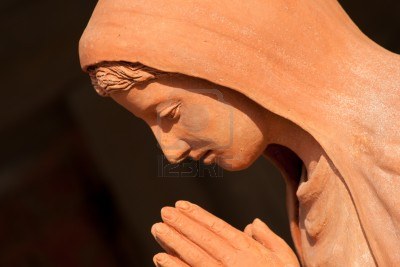 di Nadia Fondelli – Per il secondo anno, sul sagrato della cattedrale di Firenze viene realizzato un bellissimo e stupefacente presepe con statue in terracotta, a grandezza naturale, raffiguranti la Sacra Famiglia.
Come da tradizione il presepe è visibile dall’8 dicembre, festa dell’Immacolata Concezione, quando è stato benedetto da S. E. Cardinale Giuseppe Betori, Arcivescovo Metropolita di Firenze, prima di entrare in Cattedrale per la celebrazione della Santa Messa.
Il presepe è collocato sul lato opposto al campanile di Giotto, vicino al grande Albero di Natale della città di Firenze, dove rimarrà fino all’Epifania, quando, in occasione della “Cavalcata dei Magi”, le figure in terracotta della Sacra Famiglia saranno sostituite da persone e animali viventi.
Le statue della Madonna, di San Giuseppe e di Gesù Bambino sono pezzi unici realizzati a mano, a tutto tondo, dall’artigiano Luigi Mariani della storica fornace imprunetana di Angiolo Mariani e figli, la M.i.t.a.l., che ha voluto donarle all’Opera di Santa Maria del Fiore.
Questo tipo di sculture si inseriscono nell’antica tradizione fiorentina della lavorazione della terracotta che, in ambito artistico, è nata a Firenze agli inizi del Quattrocento col recupero di questa antica tecnica da parte di Donatello e Brunelleschi.
by Nadia Fondelli – For the second year Cialis, in front of the cathedral of Florence is a beautiful and amazing crib made with terracotta statues, life-size, depicting the Holy Family.
As per tradition, the Nativity scene is visible from 8 December, the feast of the Immaculate Conception, when he was blessed by S. E. Cardinal Giuseppe Betori, Archbishop of Florence, before entering the Cathedral for the celebration of the Holy Mass.
The crib is located on the opposite side of the Giotto’s bell tower, near the big Christmas tree in the city of Florence, where he remained until the Epiphany, when, on the occasion of the “Procession of the Magi”, the terracotta figures of the Holy Family will be replaced by people and animals living.
The statues of the Virgin Mary, St. Joseph and baby Jesus are unique pieces made by hand, in the round, the workman Luigi Mariani of the historic furnace Imprunetana of Angiolo and children, Mital, who wanted to give her the Opera of Santa Maria del Fiore.
This type of sculptures fit in the old Florentine tradition of pottery that, in art, was born in Florence in the early fifteenth century with the restoration of this ancient technique by Donatello and Brunelleschi.
Dic 9, 2012 | Da non perdere, Eventi, Siena
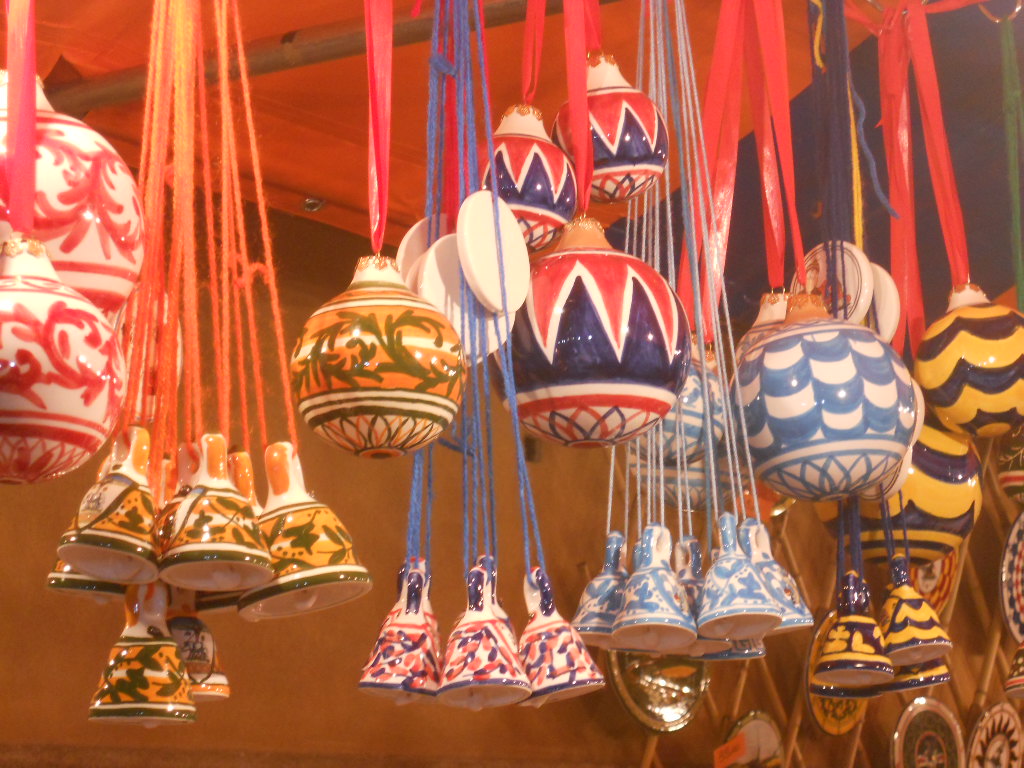 di Stefania Pianigiani – Per Siena il 13 dicembre è la “Fiera di Santa Lucia”. Una festa che affonda le sue radici nel lontano 1852, dove nella piazza di fronte alla chiesa intitolata alla martire protettrice della vista, veniva organizzata la fiera della ceramica, allestita dalle fornaci della zona.
Nel corso degli anni, questa festa ha preso sempre più campo nel cuore dei senesi, tanto che le bancarelle adiacenti alla Chiesa del Carmine, si sono estese per tutto il Pian dei Mantellini.
Una cinquantina di banchi che vendono dolciumi tipici, come croccanti vari, brigidini, torroni, zucchero filato e le famose campanine.
Le campanine fatte in terracotta sono dipinte con i colori delle 17 contrade della città di Siena, e hanno origine come ricordo di un miracolo di Santa Caterina, la quale fece suonare tutte le campane di Siena per risvegliare il culto verso la “Santa” siciliana.
Il bello della ceramica è che ogni anno cambia, quindi per i collezionisti di “campane” grandi, medie e mignon è gioia infinita. Santa Lucia è legata ance a un rito religioso davvero particolare: tutti gli anni nella chiesa dedicata alla Santa, edificata nella Contrada della Chiocciola, per l’intera giornata, viene celebrato il rituale della benedizione degli occhi, e all’entrata della chiesa, è usanza distribuire dei panini benedetti, dietro offerta libera.by Stefania Generic Levitra Pianigiani – For Siena December 13 is the “Fair of Saint Lucia.” A party that has its roots in 1852, where in the square in front of the church dedicated to the martyr patron of view, was organized the exhibition of ceramics, prepared by the furnaces in the area.
Over the years, this festival has become increasingly field in the heart of Siena, so that the stalls adjacent to the Church of the Carmine, have spread throughout the Pian dei Mantellini.
Fifty stalls selling traditional sweets such as crispy various brigidini, nougats, candy and the famous bells.
The bells are made in terracotta painted with the colors of the 17 districts of the city of Siena, and arise as a reminder of the miracle of St. Catherine, which he had all the bells Siena to awaken devotion to the “Holy” Sicilian.
The beauty of ceramics is that changes every year, and for collectors of “bells” large, medium and miniature is infinite joy. Saint Lucia is tied reeds in a religious ceremony very special: every year in the church dedicated to Santa, built in the Contrada of Snail, for the whole day, is celebrated the ritual of blessing the eyes, and the entrance to the church is custom distribution of blessed bread, behind donation.
Dic 9, 2012 | Casentino, Shopping
 di redazione-
di redazione – Nei giorni in cui si sceglie l’albero di Natale la cui tradizione cristiana risale al VII secolo d.c. ed è legata al culto di San Bonifacio vogliamo parlarvi di dove e come scegliere l’albero.Ma torniamo alla tradizione: il Santo in un lontano e freddo dicembre, salvò la vita ad un fanciullo che stava per essere sacrificato al dio pagano sotto ad una quercia sacra.
Abbattè la grande pianta e ai suoi piedi venne scoperto un piccolo abete che il missionario tolse ed affidò alla gente del luogo come simbolo di nuova vita; a quell’albero venne dato il nome di “Albero di Gesù Bambino”.
Fin qui la tradizione, ma non è un caso, ma una straordinaria coincidenza che, proprio il Casentino, storica vallata toscana da cui si origina l’Arno – e nota sopratutto per essere la terra delle Foreste Sante che hanno ospitato molti santi e sopratutto San Francesco oltre a geni quali Michelangelo Buonarroti e Dante Alighieri, sia terra non solo di pievi e castelli di straordinaria bellezza ma di foreste secolari di faggi, castagni e abeti.
Sì proprio quegli abeti che nel periodo delle feste fanno sfoggio addobbati in luci scintillanti di Natale nelle nostre case. Il Casentino è infatti la zona di produzione più importante a livello italiano per l’albero di Natale.
Sono decine le aziende produttrici che in questa bella vallata, da oltre un trentennio svolgono attività vivaistica specializzata nella produzione dell’albero di Natale con professionalità e sopratutto profondo rispetto dell’ambiente.
Gli alberi di Natale vengono coltivati in terreni appositamente dedicati a quest’ attività vivaistica, il cui esercizio risponde ad una precisa e ferrea regolamentazione sull’esercizio dell’attività su cui vigila il Corpo Forestale dello Stato
Gli abeti per il Natale sono curati come una qualsiasi altra pianta ornamentale e costituiscono quindi una coltivazione che rispetta l’ambiente, contribuendo a migliorare l’assetto idrogeologico delle colline e dei terrazzamenti dove crescono, oltre a consentire la salvaguardia del fondovalle.
I terreni oggi occupati dai vivai di alberi di Natale sono spesso quegli appezzamenti che un tempo ospitavano colture tradizionali delle zone montane, quali cereali o le foraggere, oggi spesso in disuso. La riconversione a coltivazione razionale ha evitato per altro l’incuria del terreno che preclude ad a volte dannosi problemi idrogeologici in zone dall’equilibrio estremamente delicato come gli appennini.
La coltivazione prende avvio dal trapianto di piantine provenienti da vivai specializzati nella propagazione. Successivamente alle pianticelle vengono praticate normali cure culturali, consistenti sopratutto nel contenimento delle erbe infestanti e la potatura a modellamento della chioma. Scarsissimo quindi per la manutenzione l’uso di mezzi tecnici con un risltato decisamente alto dal punto di vista ecologico.
Al raggiungimento del 5° – 6° anno di vita si procede infine alle operazioni di preparazione ed estirpazione della pianta per poterla mettere in commercio.
L’albero del Casentino è certificato ed ecologico. In città viene venduto o dagli stessi vivai o solo da rivenditori autorizzati con licenza. Ogni albero deve avere un talloncino ben visibile in cui si specifica nr. di autorizzazione del rivenditore e dati anagrafici del produttore. Queste sono solo alcuni suggerimenti per garantirvi un albero di Natale sano, ecologico e toscano.
Editorial – In the days when you Levitra choose Christmas tree whose Christian tradition dates from the seventh century AD and is linked to the cult of St. Boniface want to tell you about where and how to choose the tree. But back to the tradition, the Holy One in a distant and cold December, saved the life of a child who was about to be sacrificed to the pagan god under a sacred oak.
Struck the large tree at its base was discovered a small fir tree that the missionary took off and entrusted to the local people as a symbol of new life, that tree was given the name of “Tree of the Child Jesus.”
So far the tradition, but it is not a coincidence, but an amazing coincidence that, just the Casentino, historic Tuscan valley from which originates the Arno – and especially known to be the land of the Holy Forests that have hosted many saints and especially San Francesco well as genes such as Michelangelo and Dante Alighieri, both land not only of churches and castles of extraordinary beauty but old forests of beech, chestnut and fir trees.
Yes precisely those fir trees during the holidays show off decorated in twinkling lights of Christmas in our homes. The Casentino is in fact the most important production area in the Italian for the Christmas tree.
There are dozens of companies that in this beautiful valley for over thirty years engaged nursery specializing in the production of the Christmas tree with professionalism and especially deep respect for the environment.
Christmas trees are grown on land specially dedicated to quest ‘nursery, the exercise of which responds to a precise and strict regulation of the activity of which is supervised by the State Forestry
The fir trees for Christmas are treated like any other ornamental plant and thus constitute a crop that respects the environment, helping to improve the hydrogeological hills and terraces where they grow, as well as allowing the preservation of the valley.
The land now occupied by nurseries, Christmas trees are often those plots that were once traditional crops in mountain areas, such as cereals or forage, which is often obsolete. Conversion to rational cultivation has avoided the neglect of other land that sometimes preclude damaging hydrogeological problems in areas such as the extremely delicate balance Apennines.
The cultivation starts from transplanting seedlings from nurseries specializing in propagation. Then the seedlings are practiced cultural standard care, consisting mainly of containment of weeds and pruning of the crown molding. Then very little maintenance for the use of technical means with a decidedly high risltato from the ecological point of view.
On reaching the 5 th – 6 th year of life then proceeds to the operations of preparation and eradication of the plant to be able to market.
The shaft of the Casentino is certified and environmentally friendly. In the city is sold or by the nursery or only by authorized dealers under license. Each tree must have a tag clearly visible when you specify no. authorization of the retailer and data of the manufacturer. These are just a few tips to make your Christmas tree healthy, ecological and Tuscany.
Nov 27, 2012 | Arte e cultura, Eventi, Firenze
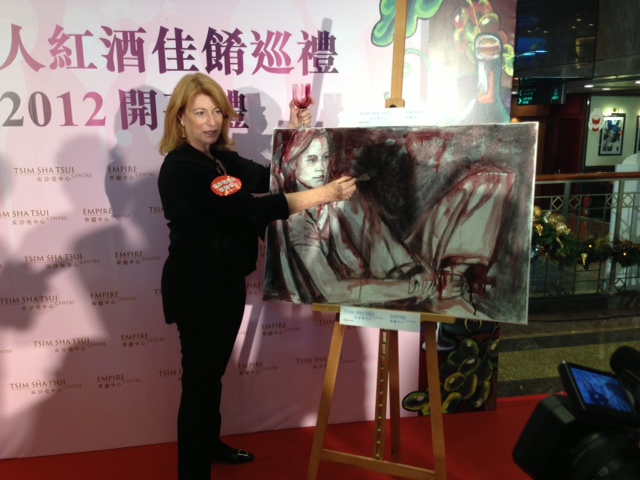 di redazione – Debutto asiatico per la pittrice fiorentina Elisabetta Rogai, che ad Hong Kong si è esibita in una performance live di EnoArte©, la tecnica artistica che consiste nell’usare il vino al posto dei colori per dipingere quadri che invecchiano col passare del tempo.
Allo Tsim Sha Tsui Center dell’isola oggi cinese – ma con ancora un forte retaggio britannico dai tempi in cui era protettorato inglese – la pittrice ha realizzato in diretta un dipinto davanti a un ospite d’eccezione: accanto a lei sul palco c’era infatti la “celebrity” cinese Jason Chan.
Forse ancora poco conosciuto in Occidente, Jason è uno dei personaggi più seguiti dai giovani cinesi: dopo un passato come conduttore, nel 2010 gli è stato offerto il primo ruolo importante nella sitcom A casa per cena, mentre quest’anno ha debuttato come protagonista nel dramma Blissful Ferry Wheel.
Un connubio inedito, quello tra l’arte e il vino made in Italy e una delle stelle della tv cinese, che testimonia una volta di più l’attenzione che all’estero viene rivolta alle opere e allo stile della pittrice fiorentina. Dopo l’avventura a Los Angeles lo scorso maggio, dove la Rogai è stata ospite d’onore della kermesse VivaVinoLA, ora è toccato all’Estremo Oriente ospitare i dipinti wine-made.
by redaction – Asian debut for the Stendra Florentine painter Elisabetta Rogai, and Hong Kong has performed in a live performance of EnoArte ©, the technique that is to use wine instead of colors to paint pictures as they age over time.
At Tsim Sha Tsui Center Chinese island today – but still with a strong British heritage from the days when it was a British Protectorate – the artist has created a painting live in front of a special guest next to her on stage was In fact, the “celebrity” Chinese Jason Chan.
Perhaps little known in the West, Jason is one of the most followed by the young Chinese: after a past as a conductor, in 2010 he was offered the first major role in the sitcom Home for dinner, and this year he made his debut as the lead in drama Blissful Ferry Wheel.
An unusual combination, the one between the art and the wine made in Italy and one of the stars of the Chinese television, which shows once more the attention that is paid to work abroad and style of the Florentine painter. After the adventure in Los Angeles last May, where Rogai was the guest of honor of the event VivaVinoLA, has now reached the Far East host wine-made paintings.
