Dic 17, 2012 | Arte e cultura, Chianti Classico
 di Nadia Fondelli – Una mostra da non perdere nel Chianti fiorentino. A San Casciano l’occasione di vedere da vicino alcuni rari esemplari di opere d’arte indossate dall’imperatore della dinastia Qing, dai suoi familiari e dai funzionari.
Abiti simbolici dell’antica Cina, dragoni a cinque artigli e altri simboli dell’universo cinese, avvolti
in fili d’oro, popolano gli abiti in seta ricamata. Arazzi di straordinaria complessità, opere d’arte tradotte in vestiti indossati dalle più elevate classi sociali dell’Antica Cina.
Ad offrire quest’occasione davvero rara di ammirare la ricchezza dei colori e dei disegni, la raffinatezza della tecnica di questi indumenti-tesori è la mostra appena aperta “L’universo in un vestito – L’abbigliamento alla corte dell’imperatore”, curata da Nicola Visibelli e Neri Torcello e ospitata nella galleria antiquaria Neri Torcello a San Casciano in via IV Novembre. Una quindicina di abiti in seta decorati con fili d’oro maschili e femminili che provengono da collezioni private.
E’ il 1644 l’epoca di riferimento quando i Manchu, guerrieri e cacciatori, rovesciano la dinastia Ming per fondare quella dei Quing, destinata a governare una delle popolazioni più numerose al mondo. E’ l’epoca in cui l’abbigliamento di corte inizia a diventare il sistema codificato più sontuoso, simbolico e tecnicamente raffinato mai sviluppato nella storia. Abiti che descrivono, esaltano, rivelano l’universo cinese e la sua ricca simbologia, buddista e taoista, dispiegata in ogni ricco e raffinato dettaglio.
La mostra organizzata con il patrocinio del Comune di San Casciano, ripercorre la storia degli abiti di corte cinesi in uno spazio temporale che oscilla tra il 1759 e il 1911.
“L’idea di portare a San Casciano – commenta Neri Torcello – un capitolo della storia orientale attraverso la bellezza e la forma degli abiti imperiali è frutto di periodo di studi sull’abbigliamento codificato della corte imperiale cinese tra Settecento e Ottocento. Ricerche che mi hanno permesso di entrare in contatto con i proprietari delle due collezioni private. Grazie alla loro disponibilità abbiamo potuto costruire un percorso espositivo didascalico volto a sensibilizzare i visitatori ad una lettura approfondita di questi tesori ricchi di simboli, da leggere come fossero libri”.
“Voglio esprimere tutta la mia ammirazione – conclude il sindaco Massimiliano Pescini – per Neri Torcello, un giovane concittadino che ha fatto e farà bene alla sua comunità. Un antiquario di grande competenza che investe in un momento difficile come questo e mette il suo spazio, un centro culturale ad ampio raggio, a disposizione della comunità”.
La mostra rimarrà aperta fino al 12 gennaio 2013 negli orari di apertura della galleria. Ingresso libero.
Per informazione: tel. 055 820609
by Nadia Fondelli – An exhibition not to be missed in vigrx plus dose the Florentine Chianti. In San Casciano the opportunity to see first hand some rare works of art worn by the emperor of the Qing Dynasty, his family and officials.
Clothing symbolic of ancient China, dragon claws and five other Chinese symbols of the universe, wrapped in gold thread, populate the dresses in embroidered silk. Tapestry of extraordinary complexity, artwork translated into clothes worn by the higher social classes of Ancient China.
To offer this opportunity really rare to see the richness of colors and designs, refinement of the art-treasures of these garments is the exhibition just opened “The Universe in a dress – Clothes for the Emperor’s court”, curated by Nicola Visibelli and Blacks and Torcello Torcello Blacks housed in the antique gallery in San Casciano via IV Novembre.
Fifteen silk dresses decorated with golden threads of men and women who come from private collections.
It ‘s the time of the 1644 reference when the Manchu warriors and hunters, overthrow the dynasty To establish that the Qing Ming, destined to rule one of the largest populations in the world. And ‘the era in which the clothing of the court begins to become the most sumptuous coded system, symbolic and technically sophisticated ever developed in history. Clothes that describe, emphasize, reveal the world of China and its rich symbolism, Buddhist and Taoist deployed in every rich and refined detail.
The exhibition is organized under the patronage of the Municipality of San Casciano, traces the history of Chinese short dresses in a time frame of between 1759 and 1911.
“The idea of bringing in San Casciano – says Blacks Torcello – a chapter in the history of Eastern Europe through the beauty and shape of the imperial robes is the result of the study period on clothing encoded in the Chinese imperial court between the eighteenth and nineteenth centuries. Research that allowed me to get in touch with the owners of two private collections. Due to their availability we could build a didactic exhibition aims to raise awareness among visitors to a thorough reading of these treasures rich in symbols, to be read as if they were books. ”
“I want to express my admiration – said the mayor Massimiliano Pescini – for Blacks Torcello, a young fellow who has done and will do good for his community. An antiquarian expertise that invests in a difficult time like this and puts his space, a wide-ranging cultural center, available to the community. ”
The exhibition will remain open until January 12, 2013 during the opening hours the gallery. Admission is free.
For information: tel. 055 820609
Dic 17, 2012 | Arezzo, Arte e cultura, Eventi, Firenze, Grosseto, Lucca, Massa Carrara, Pisa, Pistoia, Siena
 di redazione – Tradizionali, meccanici, viventi, ma comunque particolari. Ecco per voi una selezione di presepi in ogni angolo della Toscana che vale la pena scoprire.
Provincia Firenze
Firenze
Per il secondo anno, sul sagrato della cattedrale di Firenze viene realizzato un bellissimo e stupefacente presepe con statue in terracotta, a grandezza naturale, raffiguranti la Sacra Famiglia.
Il presepe è collocato sul lato opposto al campanile di Giotto, vicino al grande Albero di Natale della città di Firenze, dove rimarrà fino all’Epifania, quando, in occasione della “Cavalcata dei Magi”, le figure in terracotta della Sacra Famiglia saranno sostituite da persone e animali viventi.
Le statue sono pezzi unici realizzati a mano, a tutto tondo, dall’artigiano Luigi Mariani della storica fornace imprunetana di Angiolo Mariani e figli, la M.i.t.a.l., che ha voluto donarle all’Opera di Santa Maria del Fiore. Questo tipo di sculture si inseriscono nell’antica tradizione fiorentina della lavorazione della terracotta che, in ambito artistico, è nata a Firenze agli inizi del Quattrocento col recupero di questa antica tecnica da parte di Donatello e Brunelleschi.
San Giovanni Valdarno
Alla Basilica SS Maria delle Grazie di San Giovanni Valdarno, c’è “Natale nel Mondo”: una mostra permanente di presepi.
Quest’anno la mostra è arrivata alla sua 9° edizione ed è dedicata alla “4° Biennale d’Arte Presepiale” con omaggio a Benozzo Gozzoli e alla sua “Cavalcata dei Magi” con la presenza di numerosi artisti. Fino a 6 gennaio 2013
Palazzuolo sul Senio
Una mostra da non perdere: tra uno stand e l’altro si possono ammirare, fino all’ Epifana, i presepi della mostra “1000 presepi a Palazzuolo” un‘apposita mappa conduce il turista negli angoli più belli e caratteristici del paese, adornati da presepi.
Provincia di Arezzo
Cortona
Da non perdere il Presepe vivente a Pietraia, 9 km da Cortona.
Un evento apprezzato e seguito da un pubblico sempre più numeroso che viene allestito all’aperto nel boschetto dietro alla Chiesa di San Leopoldo ed è visitabile solo durante i giorni festivi durante il periodo delle vacanze natalizie, dal 24 dicembre al 6 gennaio.
In passato ha accolto anche la partecipazione di figuranti di religione musulmana ed ebrea, donandogli una componente multietnica e diffondendo un spirito del Natale cristiano che va oltre le barriere religiose e culturali.
Provincia di Grosseto
Gavorrano
Farà bella mostra di sé per tutte le festività natalizie (da Natale all’Epifania) il Presepe Monumentale che, ormai da oltre sessant’anni viene organizzato nella Chiesa di S.Antonio nel centro storico di Caldana, frazione del Comune di Gavorrano.
Il presepe ogni anno ha un tema specifico, stabilito dal Parroco che ne fa variare le scenografie. Sono venticinque statue in legno di grandi dimensioni (raggiungono i novanta centimetri di altezza), realizzate in maniera pregevole da maestri intagliatori del legno di Ortisei, sulle Dolomiti, nel lontano 1939.
Provincia di Lucca
Antro del Corchia
Anche quest’anno, per tutto il periodo delle festività natalizie nella famosa cavità carsica dell’Alta Versilia è “…e vieni in una grotta…! Un appuntamento con la magia e la tradizione del Presepe riproposte in uno scenario unico.
La particolarità di questa edizione è il 1° Concorso “Presepi in Grotta” dedicato alle Scuole, che esporranno le loro opere lungo l’intero percorso turistico dell’Antro, che si snoda per circa due chilometri di gallerie naturali e condotti carsici.
Visitabile a dicembre nei giorni 22, 26, 27, 28, 29, 30, 31 (alle ore 11.00 e 15.00); nei giorni 23 ore (10.00, 12.00, 14.00 e 16.00); nel giorno 24 (alle ore 11.00 e 13.00). A gennaio nei giorni 2, 3, 4, 5 (alle ore 11.00 e 15.00); nel giorno 6 (gli orari saranno 10.00, 12.00, 14.00 e 16.00).
Si ricorda che i posti sono limitati e che è quindi consigliata la prenotazione telefonica al numero 0584-778405 attivo tutti i giorni dalle 9.30 alle 13.00. Maggiori info su www.antrocorchia.it.
Stazzema
Torna la magia del Presepe Animato Versiliese, a Querceta.
Quest’anno, l’appuntamento vedrà una doppia versione anche notturna.
Il 6 gennaio arrivo dei Re Magi a cavallo (ore 15,45), con protagonisti come figuranti i portatori di handicap che fanno parte dell’associazione e ancora il 5 gennaio (dalle 21 alle 24), per la prima volta, il Presepe in Notturna.
Pescaglia
Fino al 13 gennaio 2013, l’antico borgo di Pescaglia s’illumina delle luci del presepe con il tipico e unico allestimento di scene di presepe, all’interno delle marginette, edificate tra il XVI e il XVII secolo, lungo il percorso, che dalla chiesa parrocchiale conduce al Santuario della Madonna delle Solca.
Villa Collemandina
In località Sassorosso da non perdere i presepi nelle vie del borgo fino all’Epifania.
Piccoli presepi allestiti fra le antiche vie del borgo dagli abitanti
Coreglia Antelminelli
Fino al 6 gennaio “Coreglia terra di Presepi”.
Tanti presepi allestiti nelle vie e nelle piazze con apertura straordinaria del Museo della figurina di gesso e dell’emigrazione
Equi Terme
Giunto alla XXV edizione, il presepe vivente di Equi Terme si svolge nello scenario del solco di Equi, accanto all’entrata delle grotte e per le vie del borgo. Dalle strette vie del paese, nei fondi trasformati in botteghe artigianali il percorso si sviluppa verso il Solco e il torrente Fagli creando con il rumore dell’acqua un’atmosfera molto suggestiva che porta verso la grotta della Natività, posta all’ingresso delle grotte. Il percorso dura 30-40 minuti.
Durante la visita è possibile degustare nelle antiche taverne castagne, vin brulé e prodotti tipici lunigianesi. Ingresso: 5 €. Bambini 0/7 anni: gratis
Informazioni: 320 8479058 , 320 4550461
Orari: 22 dicembre: 20.30 – 23.30; 23 dicembre: 18.00 – 21.00; 25 dicembre: 18.00 – 21.00; 26 dicembre: 18.00 – 21.00
Pallerone
Lungo la strada per Fivizzano, ancora nel comune di Aulla, si trova Pallerone, storico borgo lunigianese e il suo presepe, uno dei più noti non solo di Toscana.
Nella cucina dell’antico palazzo marchionale, accessibile dal portico della chiesa di San Tommaso Beckett si trova il presepe meccanico realizzato per la prima volta durante il Natale del 1935 con materiali di recupero come ruote di bicicletta, corde e un motore ricavato da un ventilatore.
Il presepe crebbe nei decenni grazie alla passione dei palleronesi, che lo ricostruirono e ammodernarono. A partire dagli anni Cinquanta vennero aggiunte nuove scene movimentate, ma il presepe come lo vediamo oggi cominciò a prendere forma nel 1968, grazie all’impegno del Geom. Silvio Baldassini e di tutta la popolazione. Nel 1999 venne intrapresa l’ultima ricostruzione che ci permette oggi di ammirare un’opera unica nel suo genere, che in sette minuti ci mostra il passaggio del giorno alle notte.
Nella sala d’attesa poi è allestito un piccolissimo, ma suggestivo museo di manufatti dei primi presepi dal 1935 in poi, insieme all’antico motore del 1937, la storia fotografica dei presepi e il motore del primo orologio del campanile risalente alla fine dell’ottocento.
Informazioni: 333 1629101. Apertura: tutto l’anno: 8.00 – 12.00; 13.30 – 18.30. Entrata ad offerta.
Villafranca in Lunigiana
Fino al 6 gennaio 2013, tra il torrente Bagnone e il fiume Magra, accanto al Museo Etnografico da non perdere. Le figure della natività costruite artigianalmente sono poste all’interno di scenari che ricordano la vita di un tempo e sono collocate lungo ii fiumi tra i due ponti. Se ne gode una suggestiva visione passeggiando a piedi per entrare in paese.
Provincia di Pisa
San Miniato
Fino al 13 gennaio nei locali della Pieve di San Giovanni Battista di Cigoli è l’oramai noto “Presepe artistico di Cigoli” giunto alla sua dodicesima edizione e in cui si entra dentro…
E’ uno dei più grandi presepi artistici della Toscana che ha visto passare nell’edizione 2011 oltre ventimila visitatori provenienti anche dall’estero.
Chi visiterà il presepe farà il suo ingresso nel presepe seguendo un percorso che iniziando dall’esterno si addentrerà nel paesaggio tipico palestinese passando dalla rigogliosità di Nazareth, alla maestosità e imponenza di Gerusalemme, e infine dalla semplicità e armonia di Betlemme, con la sua accogliente Grotta.
Esaltati e curati nei minimi dettagli sono i personaggi intenti nelle varie attività e grazie ai sofisticati sistemi tecnologici non mancheranno suggestivi giochi di luce, musiche e giochi d’acqua.
Il presepe è aperto fino alla domenica dopo l’Epifania con orario 9,00 – 13,00. 14:30 – 20,00 tutti i giorni compresi i festivi.
Vicopisano
Un’appuntamento da non perdere è quello con i “Presepi dell’Angelo”. Si tratta di una mostra di Angelo Perini dove si possono ammirare quaranta presepi intagliati a mano in ciocchi d’Olivo.
L’esposizione, unica nel genere, è visitabile presso gli ex locali delle scuole elementari ad ingresso fino al 6 gennaio 2013.
Provincia di Pistoia
Cutigliano
Fino al 6 gennaio 2013 alle Piastre, il “Paese dei Cento Presepi”. Saranno oltre 100 infatti i presepi che trasformano ogni anno questo piccolo paese di montagna in un luogo magico.
San Marcello Pistoiese
Nella frazione di Lizzano si può visitare fino all’Epifania il Presepe nel Parco: un presepe con personaggi a grandezza naturale.
Provincia di Siena
Casole d’Elsa
Appuntamento il 26, 29, 30 dicembre e 6 gennaio (dalle 15 allee 19) con la rappresentazione del Presepe Vivente tradizionale appuntamento con rappresentazione ambientata in larga parte nel centro storico del paese.
Quest’anno è stato progettato un nuovo “scenario” con oltre 250 comparse e lungo il percorso sarà aperta un’osteria e delle botteghe artigiane dove si eserciteranno i mestieri tipici come la filatura, la colorazione della lana, la cottura del pane e altro ancora. Il percorso, animato dai soldati romani, dai pastori con i propri animali, dagli artigiani e da altri personaggi, si conclude alla Capanna della Natività.
La manifestazione ha partecipato al Premio Presepistico Internazionale “Praesepium Populi” e al Premio Presepistico Nazionale “Praesepium Italiae”, ottenendo la “Massima Onorificenza Presepistica” e la proclamazione ufficiale Casole d’Elsa “Città del Presepe d’Italia”.
Biglietto: 5,00 euro solo Presepe Vivente; 6.00 euro Presepe Vivente e Museo civico archeologico e della collegiata.
Info: museo@casole.it; 0577 948705 (aperto dalle ore 10.00 alle 13.30 e dalle 15.00 alle 17.30 nei giorni sabato, domenica e festivi).
Sinalunga
A Bettolle fino al 6 gennaio 2013 le cinque contrade tornano come ogni anno a mettere in scena la Natività in cinque punti scenografici del borgo.
Le contrade Casato, Caselle, Ceppa, Montemaggiore e il Poggio scelgono ogni anno un tema tra di loro per dare diverso risalto alla scena e all’ambientazione della natività. Info: 0577622026 – www.bettolle.itby redaction – Traditional, mechanical, innocative, but still special. Here is just a small selection of Reverse Phone Lookup cribs in every corner of Tuscany that is worth discovering.
Province Florence
Firenze
For the second year, in front of the cathedral of Florence is a beautiful and amazing crib made with terracotta statues, life-size, depicting the Holy Family.
The crib is located on the opposite side of the Giotto’s bell tower, near the big Christmas tree in the city of Florence, where he remained until the Epiphany, when, on the occasion of the “Procession of the Magi”, the terracotta figures of the Holy Family will be replaced by people and animals living.
The statues are unique pieces made by hand, in the round, the workman Luigi Mariani of the historic furnace Imprunetana of Angiolo and children, Mital, who wanted to give her the Opera di Santa Maria del Fiore. This type of sculptures fit in the old Florentine tradition of pottery that, in art, was born in Florence in the early fifteenth century with the restoration of this ancient technique by Donatello and Brunelleschi.
San Giovanni Valdarno
The Basilica SS Maria delle Grazie in San Giovanni Valdarno, there is “Christmas in the World”: a permanent exhibition of nativity scenes.
This year the show is now in its 9th edition and is dedicated to “4th Biennial Art Nativity” with a tribute to Benozzo Gozzoli and his “Journey of the Magi” with the presence of many artists. Up to 6 January 2013
Palazzuolo sul Senio
An exhibition not to be missed in between stands and the other can be seen, until ‘Epifana, the cribs of the exhibition “1000 cribs for Palazzuolo.” A special map takes tourists in the most beautiful and characteristic of the country, adorned with cribs.
Province of Arezzo
Cortona
Do not miss the Living Nativity in Pietraia, 9 km from Cortona.
An event appreciated and followed by more and more people that is served outdoors in the woods behind the church of San Leopoldo and is open only on holidays during the holiday season, from December 24 to January 6.
In the past he has also taken on the participation of extras Muslim and a Jew, giving him a multi-ethnic component and spreading a Christian spirit of Christmas that goes beyond religious and cultural barriers.
Province of Grosseto
Gavorrano
It will make a fine show for the holiday season (from Christmas to Epiphany) that the Monumental Crib, for over sixty years is held in the Church of St. Anthony in the center of Caldana fraction of Gavorrano.
The crib each year has a specific theme, established by the pastor that causes a change in the scenery. Are twenty-five wooden statues large (reaching ninety inches tall), made of a fine by master wood carvers of Ortisei, Dolomites, in 1939.
Province of Lucca
Antro del Corchia
Also this year, for the duration of the holiday season in the famous karst cave Alta Versilia is “… and come in a cave …! An appointment with the magic and tradition of the Nativity reintroduced in a unique setting.
The special feature of this edition is the 1st Competition “Nativity Grotto” dedicated to the schools, which will exhibit their works throughout the dell’Antro tourist trail, which winds for about two kilometers of karst tunnels and ducts.
Visited in December on 22, 26, 27, 28, 29, 30, 31 (11.00 and 15.00) on 23 hours (10:00, 12:00, 14:00 and 16:00) in 24th (11.00 and 13.00) . In January, on days 2, 3, 4, 5 (11.00 and 15.00), and in six days (times are 10.00, 12.00, 14.00 and 16.00).
Please note that places are limited and it is therefore advisable to book by telephone on 0584-778405 open daily from 9.30 to 13.00. More on www.antrocorchia.it.
Stazzema
Back to the magic of the Nativity Animated Versilia, in Querceta.
This year, the event will see two versions even at night.
On 6 January arrival of the Magi on horseback (15,45), starring as listed with disabilities that are part of and yet Jan. 5 (from 21 to 24), for the first time, the crib night.
Pescaglia
Until 13 January 2013, the old village of Pescaglia lights the lights of the crib with the typical and unique exhibition of nativity scenes, within marginette, built between the XVI and XVII centuries, along the way, that from the parish church to the Sanctuary of Our Lady of Solca.
Villa Collemandina
In places Sassorosso do not miss the nativity scenes in the streets of borgofino Epiphany.
Small nativity set up between the narrow streets of the village by the inhabitants
Coreglia Antelminelli
Until January 6 “Coreglia land Cribs”.
Many cribs set up in the streets and squares with special opening of the Museum of Plaster Figurine and Emigration
Equi Terme
Now in its twenty-fifth year, the nativity scene of Equi Terme takes place against the backdrop of the wake of Equi, near the entrance of the caves and in the streets of the village. From the narrow streets of the town, in the funds converted into workshops path grows toward the furrow and the stream Let them create the sound of a very suggestive atmosphere that leads to the Grotto of the Nativity, at the entrance of the caves. The journey takes 30-40 minutes.
During your visit you can enjoy the ancient taverns chestnuts, mulled wine and typical products Lunigiana. Admission: € 5. Children 0/7 years: free
Info: 320 8479058, 320 4550461
Hours: 22 December: 20:30 to 23:30, 23 December: 18:00 to 21:00, 25 December: 18:00 to 21:00, 26 December: 18:00 to 21:00
Pallerone
Along the road to Fivizzano, still in the town of Batesville, is Pallerone, a historic town in Lunigiana and his crib, one of the most well-known not only in Tuscany.
In the kitchen of the old palace marquis, accessible from the porch of the church of St. Thomas Beckett is the mechanical nativity scene made for the first time during the Christmas of 1935 with recycled materials such as bicycle wheels, ropes and an engine made by a fan.
The crib grew over the decades thanks to the passion of palleronesi, who rebuilt it and ammodernarono. Since the fifties were added new bustling scenes, but the crib as we see it today began to take shape in 1968, thanks to the efforts of Geom. Silvio Baldassini and the entire population. In 1999, the last reconstruction was undertaken that allows us to experience a unique, in that seven minutes shows the passage of the day at night.
In the waiting room then set up a small but interesting museum of artifacts of the first Nativity scenes from 1935 onwards, together with the ancient engine of 1937, the photo story of the nativity and the engine of the first clock tower dating from the end of ‘ nineteenth century.
Info: 333 1629101. Open: All year: 8:00 to 12:00, 13:30 to 18:30. Login to offer.
Villafranca in Lunigiana
Until January 6, 2013, between the river and the river Magra Bagnone, next to the Museum of Ethnography not to be missed. The figures of the Nativity built by hand are placed in scenarios that describe the life of the past and are located along rivers ii between the two bridges. If you enjoy a breathtaking view by walking into the village.
Province of Pisa
San Miniato
Until January 13 at the premises of the Parish of St. John the Baptist Cigoli is the now famous “Christmas crib Cigoli” now in its twelfth edition and you enter into …
And ‘one of the greatest artistic nativity scenes of Tuscany that has seen the 2011 over twenty thousand visitors from abroad.
Visitors to the crib will make its entry into the crib following a path starting from the outside addentrerà the typical landscape passing by Palestinian luxuriance of Nazareth, the majesty and grandeur of Jerusalem, and finally by the simplicity and harmony of Bethlehem, with its cozy cave.
Enhanced and attention to detail are the characters intent in the various activities and thanks to sophisticated technology will not miss a play of light, music and water games.
The crib is open until Sunday after the Epiphany with time from 9.00 to 13.00. 14:30 – 20.00 every day including holidays.
Vicopisano
An appointment not to be missed is the one with the “Nativity Angel”. This is a show where you can see Angelo Perini forty cribs hand-carved logs of Olive.
The exhibition, unique in the genre, is seen at the former premises of primary schools admission until 6 January 2013.
Province of Pistoia
Cutigliano
Until January 6, 2013 at plates, the “Land of the Hundred Cribs”. There will be over 100, in fact the cribs that transform every year this small mountain town in a magical place.
San Marcello Pistoiese
The population of Lizzano you can visit the crib until Epiphany in the Park: a nativity scene with life-sized figures.
Province of Siena
Casole d’Elsa
Appointment on the 26th, 29th, December 30th and January 6th (from 15 allee 19) with the representation of the Nativity traditional appointment with representation set largely in the center of the country.
This year has been designed a new “scenario” with over 250 extras and along the way will open a tavern and craft workshops where you will put the traditional trades such as spinning, the color of the wool, baking bread, and more . The route, animated by the Roman soldiers, shepherds with their animals, artisans and other characters, ends at the hut of the Nativity.
The event took part in the International Prize Presepistico “Praesepium Populi” Award and the National Presepistico “Praesepium Italiae”, resulting in the “Highest Distinction crib” and the official proclamation Casole d’Elsa “City of the Nativity of Italy.”
Admission: € 5.00 only Nativity, Nativity and 6.00 euro Archaeological Museum and college.
Info: museo@casole.it; 0577 948705 (open from 10.00 to 13.30 and from 15.00 to 17.30 in the day Saturday, Sunday and holidays).
Sinalunga
A Bettolle until January 6, 2013 the five districts as they return each year to stage the Nativity in five points of the scenic village.
The districts Casato, Boxes, Ceppa, Montemaggiore and Poggio choose a theme each year with each other to give different emphasis to the scene and setting of the Nativity. Info: 0577622026 – www.bettolle.it
Dic 15, 2012 | Eventi, Firenze, Garfagnana, Lunigiana, Montagna Pistoiese, Monte Amiata
 di redazione – La stagione dello sci è partita alla grande in quasi tutte le località toscane in occasione dello scorso week end, che coincideva con la festività dell’Immacolata.
Il Sistema neve della nostra regione si propone come un complesso articolato di grandi comprensori e stazioni più piccole. Tutte belle, tutte sciabili e perchè no anche solo passeggiabili fra boschi intonsi e natura rigogliosa.
Sono 5 le grandi aree della “Toscana Bianca”: Abetone e Doganaccia di Cutigliano sull’Appennino pistoiese, Amiata sull’omonimo monte che separa la provincia di Siena da quella di Grosseto, Casone di Profecchia, Passo Radici e Careggine in Garfagnana e infine Zum Zeri in Lunigiana, quasi al confine con Liguria e Emilia Romagna.
Le piste al momento, sono coperte da neve naturale e da neve programmata. Ancora nel corso della mattinata di ieri venerdì nevicava in molte località, ma il rialzo delle temperature soprattutto di oggi (con neve solo sulle cime più alte) e il miglioramento atteso per domenica, fanno essere la situazione in costante evoluzione come si dice in questi casi.
Si consiglia quindi più che mai a tutti gli appassionati di sci, ai turisti bianchi e quanti vogliono scoprire le montagne d’inverno di seguire sempre con attenzione tutti gli aggiornamenti del sito www.toscananeve.it e i portali delle singole località.
Per quanto riguarda le singole località iniziamo col dire che all’Abetone gli impianti saranno tutti aperti nel fine settimana (info www.multipassabetone.it).
Sull’Amiata invece è prevista l’apertura degli skilift Jolly, delle seggiovie Cantore e Macinaie e della pista di fondo (www.amiataneve.it).
Si scia bene anche alla Doganaccia, dove sono aperti tutti gli impianti.
In Garfagnana per il fine settimana è invece prevista l’apertura totale a Careggine e al Casone di Profecchia. Al Passo Radici invece sono aperti tutti i tracciati di fondo collegati a Piandelagotti. Chiusa ancora invece la stazione di Zum Zeri in Lunigiana.
Per quanto riguarda infine le promozioni in vista delle imminenti festività ricordiamo che all’Abetone, fino al 25 dicembre, gli under 14 sciano con un solo euro al giorno in qualsiasi giorno della settimana, se accompagnati da un adulto pagante.
Fino al 21 dicembre poi lo skipass feriale, dal lunedì al venerdì, costa solo 24 euro.by redaction – The ski season is playing great in almost all places in Tuscany during the last weekend, which coincided with the feast of the Immaculate Conception.
The system snow in our region is proposed as a complex set of large districts and smaller stations. All beautiful, all skiable and why not just passeggiabili between uncut forests and lush vegetation.
There are 5 major areas of “Tuscany White”: Abetone and Doganaccia Cutigliano Pistoia Apennines, Amiata on the mountain that separates the province of Siena from Grosseto, Casone Profecchia, Step Roots and Careggine in Garfagnana and finally Zum zeros in Lunigiana, near the border with Liguria and Emilia Romagna.
The tracks at the moment, are covered by snow and natural snow. Even during the morning of Friday it snowed yesterday in many places, but the rise in temperatures above today (with only snow on the highest peaks) and the expected improvement for Sunday, are to be the situation is constantly evolving as they say in these cases.
It is therefore recommended more than ever to all skiers, tourists and those who want to discover the white mountains winter always follow closely all site updates www.toscananeve.it and portals of each resort.
With regard to the individual locations begin by saying that Abetone facilities will be open all weekend (info www.multipassabetone.it).
Amiata instead is expected to open the ski lifts Jolly, chair of Cantore and Macinaie and trail (www.amiataneve.it).
You can ski well to Doganaccia, where all facilities are open.
In Garfagnana for the weekend is instead expected to open in full Careggine and Casone Profecchia. Step Roots instead are open to all basic tracks connected to Piandelagotti. Still rather closed station Zum Zeri in Lunigiana.
Finally, as regards the promotion for the forthcoming holidays remember that Abetone, until December 25, children under 14 ski for one euro per day on any day of the week, when accompanied by a paying adult.
Until December 21, then pass on weekdays, Monday through Friday, it costs only 24 euro.
Dic 15, 2012 | Arte e cultura, Firenze
 di Nadia Fondelli – Durante i lavori di realizzazione del nuovo Museo dell’Opera di Santa Maria del Fiore la cui apertura è prevista nell’ottobre del 2015, gli scavi eseguiti nell’area dell’ex Teatro degli Intrepidi, hanno messo in evidenza l’esistenza di strutture, databili tra la fine del XIV e il XV secolo, riconducibili ad attività artigianali (presenza di materiali ferrosi, scarti di lavorazione del marmo, ecc.) collegate al grande cantiere del Duomo (1420 – 1436).
Ma il manufatto più interessante dal punto di vista archeologico e storico è stato rinvenuto a circa circa 70 cm sotto l’attuale piano di calpestio. Un manufatto realizzato con la tecnica a “spina – pesce”, del diametro di circa 3 metri che, secondo il professore Francesco Gurrieri “si tratterebbe di una cupoletta, mutilata in sommità, forse tagliata nel Settecento, in occasione della realizzazione del teatro”.
Immediato il richiamo alla tecnica da sempre ricondotta al grande Filippo Brunelleschi; tecnica che gli consentì di realizzare l’enorme cupola senza un’armatura lignea. Prosegue Gurrieri: “Al momento non è azzardabile che questa cupoletta possa essere stata il “modello” dimostrativo dell’impresa (di cui, per la verità, abbiamo tradizione che fosse stata altrove), tuttavia si pone come testimonianza primaria di un pensiero tecnico e di una prova pratica che non può che essere ricondotta a Filippo Brunelleschi e al suo esordio nel cantiere di S. Maria del Fiore”.
Per il Sottosegretario al Ministero per i Beni e le Attività Culturali, Roberto Cecchi: “Siamo di fronte ad un ritrovamento importante, in considerazione anche del fatto che la tecnica costruttiva usata dal Brunelleschi per la cupola del Duomo si esaurisce con lui ed è circoscritta a Firenze. Fuor dii Firenze, troviamo solo 2 o 3 esempi di impiego di questa tecnica e sono più tardi del Cinquecento”.
Sempre dagli scavi archeologici è emerso che al di sotto degli strati medievali non sono presenti altre strutture più antiche, in particolare di epoca romana, ma solo tracce di sporadiche frequentazioni, come testimoniano i frammenti ceramici rinvenuti. L’area era, dunque, immediatamente al di fuori delle mura della città.
Non possiamo affermare di trovarci al cospetto del modellino che Brunelleschi usò per la costruzione della Cupola, ma si può affermare invece che intorno a questo piccolo grande genio fiorentino del Rinascimento, deriso dai contemporanei per le sue azzardate idee e alla sua straordinaria costruzione l’attenzione e il mistero è sempre alta.
by Nadia Fondelli – During the construction work of the new Museum of the Opera di Santa Maria del Fiore which is scheduled to open in October 2015, the excavations in the former Intrepid Theatre, have highlighted the existence of structures, dating from the late fourteenth and fifteenth centuries, due for crafts (presence of ferrous materials, scraps of marble, etc..) connected to the large yard of the Cathedral (1420 – 1436).
But the article more interesting from the point of view of archaeological and historical was found at about 70 cm below the present ground level. A product made with the technique to “plug – fish”, with a diameter of about 3 meters, according to Professor Francesco Gurrieri “it would be a dome, mutilated at the top, maybe cut in the eighteenth century, during the construction of the theater.”
Immediate recourse to the technique always traced back to the great Filippo Brunelleschi technique that allowed him to realize the huge wooden dome without armor. Gurrieri continues: “At the moment there is azzardabile this dome may have been the” model “of the demonstration (which, to be honest, we have a tradition that had been elsewhere), but stands as a testimony primary technical thought and a practical test that can only be attributed to Filippo Brunelleschi and his debut in the yard of St. Maria del Fiore “.
For the Undersecretary of the Ministry of Heritage and Culture, Roberto Cecchi: “We are facing an important finding, in view of the fact that the construction technique used by Brunelleschi for the dome of the Duomo stop with him, and is limited to Florence. Beyond gods Florence, there are only 2 or 3 examples of the use of this technique and later of the sixteenth century. ”
Always archaeological excavations have shown that below the medieval layers there are no other older structures, in particular the Roman period, but only sporadic traces of acquaintances, as evidenced by ceramic fragments found. The area was, therefore, just outside the city walls.
We can not say of witnessing the model that Brunelleschi used for the construction of the dome, but it can be said however that around this great little Florentine genius of the Renaissance, ridiculed by his contemporaries for his daring ideas and his extraordinary attention to construction and the mystery is always high.
Dic 14, 2012 | Enogastronomia, Mugello | Val di Sieve
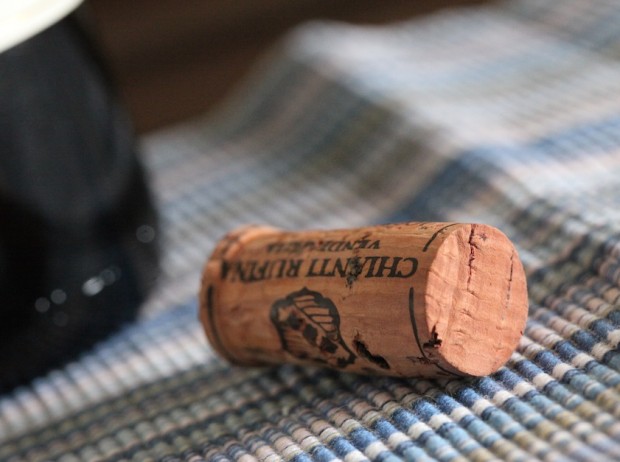 di Marco Gemelli – Il clima pazzo degli ultimi anni scherza col vino toscano. Due inverni oscillanti e due estati secche hanno fatto sì che, una zona enologicamente e geograficamente fredda per il vino come Chianti Rufina abbia prodotto vini molto alcolici.
E’ questo uno degli aspetti più interessanti emersi nel corso dell’incontro organizzato nei giorni scorsi dal Consorzio Chianti Rufina DOCG per degustare i vini delle 22 cantine della denominazione.
Il presidente Lorenzo Mariani ha spiegato che negli ultimi due anni le condizioni climatiche della zona – che non a caso si chiama “La più alta del Chianti” – hanno portato alla “nascita” di vini piuttosto alcolici (fino a 15 gradi), molto al di sopra della media, tanto che, in futuro molti produttori stanno pensando di modificare l’esposizione dei vigneti. Diverse aziende stanno conducendo un reimpianto dei vigneti e quindi la possibilità in futuro di cambiare l’angolo d’esposizione è abbastanza reale.
Novità in vista anche in termini di quantità del vino che esce dalle cantine: le ultime innovazioni richieste dalla UE garantiranno entro i prossimi sei anni rendimenti fino a 90 ettolitri per ettaro. D’altra parte, le condizioni climatiche degli ultimi anni continuano a spingere verso una riduzione della produzione, migliorando così la qualità.
Il Chianti Rufina DOCG è uno dei vini più importanti della Toscana che si sviluppa interamente nella provincia di Firenze e distribuito nei comuni di Pontassieve, Rufina, Londa, Pelago e Dicomano.
La prima documentazione scritta del vino Rufina riporta ai primi anni del Quattrocento. Nel XVIII secolo, con l’Editto del Granduca di Toscana, arrivò il riconoscimento ufficiale e Cosimo III classificò il vino prodotto in questa zona, tra i “top four” della Toscana.
Rufina è la più piccola delle sette sottocategorie del Chianti occupando una superficie di appena 12.483 ettari totali, con una produzione di circa 27.000 ettolitri l’anno.
La struttura geologica del terreno e l’esposizione al sole nel sud delle alte colline (che permette alle uve di raggiungere una maturazione ottimale) generano un microclima con alte temperature diurne e fresco nelle notti d’estate che contribuisce al mantenimento di note aromatiche.
Il risultato è un vino elegante con una forte personalità, un profumo di complesso bouquet di frutti di bosco e spezie. Un vino dalla longevità unica (attestata alcune riserve di vigneti particolari, anche oltre trenta anni).
by Marco Gemelli – Weather’s jokes, for Tuscan wine: two swinging winters and two dry summers HCG have meant that a wine region geographically cold as Chianti Rufina has produced very alcoholic wines. It’s one among the main issues raised at the meeting organized by the consortium Chianti Rufina DOCG to taste the wines of the 22 wineries represented. President Lorenzo Mariani explained that over the past two years the weather conditions of the area – which not coincidentally is called “The highest Chianti” – have led to pretty alcoholic wines (up to 15 degrees), far above the average. So much so that, in the future, in the territory of Rufina many producers are thinking of changing the exposure of the vineyards: since different companies are assuming, or even conducting a replanting of the vineyards, the possibility to change angle seems quite real.
News in view also in terms of the quantity of wine that come out from the cellars: the latest innovations requested by the EU will ensure that within the next six years the yields of Chianti Rufina DOCG arrive at 90 hectoliters per hectare. On the other hand, the weather conditions of recent years continue to push towards a reduction in production, thereby improving quality.
The Chianti Rufina DICG born in one of the most important wine of Tuscany, located in the province of Florence and distributed in the towns of Pontassieve, Rufina, Londa, Pelago and Dicomano. The first written records of Rufina wine date back to the early fifteenth century. In the eighteenth century, with the Edict of the Grand Duke of Tuscany, came the official recognition, and Cosimo III classified the wine produced in this area, among the “top four” of Tuscany. Rufina is the smallest of the seven specifications of Chianti: it occupies an area of 12,483 hectares, with a production of about 27,000 hectoliters a year.
The geological structure of the ground – made of limestone and marl – and exposure to the sun in the south of the high hills (which allows the grapes of the vines to reach optimal ripeness) generate a microclimate with high daytime temperatures and cool nights summer, which contributes to the maintenance of aromatic notes. The result is an elegant wine with a strong personality, a perfume that refers to a complex bouquet of wild berries and spices. A wine also characterized by a unique longevity (attested to some reservations of particular vineyards, even beyond the age of thirty).
Dic 14, 2012 | Da non perdere, Firenze
 di Nadia Fondelli – Nella storia meno conosciuta di Firenze ci sono anche tutta una serie di animali esotici, all’epoca considerati addirittura fantastici. Non solo quindi i leggendari leoni simbolo del Marzocco che per secoli hanno ruggito a due passi da Palazzo Vecchio in quella via che non a caso si chiama via dei Leoni prima di trasferirsi ai serragli di Piazza San Marco.
Firenze in epoche diverse ha visto apparire giraffe, rinoceronti e ippopotami. Amimali stranissimi, mai visti, che provenivano da paesi lontani, ma che mostrati alla corte e al popolo servivano a puntellare la potenza dei Signori.
Proprio in occasione del restauro dell’ippopotamo del granduca di Toscana che da pochi giorni è tornato visibile alla Specola che vogliamo parlarvi di questi animali attorno alla cui esistenza sono molte storie e altrettante leggende.
L’ippopotamo che torna visibile in questi giorni, ad esempio, era il primo che sbarcana in Europa dai tempi dell’impero romano. Secondo la tradizione era un dono settecentesco al primo granduca Lorena Pietro Leopoldo, ma da ricerche storiche pare invece che ifosse a Firenze dal 1677 grazie alla passione sfrenata di Cosimo III per animali e piante esotiche. Fu lui a far costruire in Boboli gabbie per pappagalli, scimmie e fagiani da mostrare agli ospiti e ai fiorentini. Non si sa chi abbia donato al signore l’ippopotamo: forse un sultano o un visir, fatto sta che “Pippo” – così era amorevolmente chiamato – visse legato a catena in una vasca di Boboli fino alla morte. Pippo fu poi imbalsamato in maniera creativa da un artigiano che non lo aveva mai visto vivo tant’è che le zampe furono modificate secondo un modello canino.
Nello speciale zoo voluto dal Magnifico a Cascine di Tavola, vero esempio di fattoria ideale rinascimentale, fu portata sicuramente la celebre giraffa che, con un leone addomesticato, gli aveva regalato nel novembre 1487 «el Soldano di Babilonia». Un animale magnifico che lasciò a bocca aperta i fiorentini racconteranno i cronisti del’epoca , perché «era sette braccia alta, e ‘l piè come ‘l bue» e così tranquilla che poteva prendere una mela dalla mano di un bambino. Sollevò così tanta curiosità che si dice che dovettero portarla in giro anche per conventi perché la potessero vedessero anche le suore di clausura. Un impazzimento di popolo tale che, il «camelopardo», com’era chiamata la giraffa allora, finì addirittura nel corteo di una «Adorazione dei magi» del Ghirlandaio e nel «Tributo a Cesare» lasciato incompiuto dal Andrea del Sarto e visibile nella Villa di Poggio a Caiano e nell’affresco del Vasari in Palazzo Vecchio “Omaggio degli ambasciatori aal Magnifico”.
Interressante infine la storia dell’elefante albino e del rinoceronte che re Manuele d’Aviz di Portogallo inviò in dono per ingraziarselo a Papa Leone X . Due speciali regali per l’incoronazione a papa di un Medici. Diverso però il destino dei due animali, Annone (questo il nome dell’elefante così chiamato in onore del generale cartaginese che lo regaalò a sua volta al re portoghese) arrivò da Lisbona a Roma nel 1514, mentre il rinoceronte, inviato al Papa due anni più tardi nella città eterna non arrivò mai. Dopo uno sbarco a Marsiglia per essere ammirato a caro prezzo dal re di Francia Francesco I Valoris e dalla sua corte, la bestia naufragò dopo una tempesta nel mar Ligure. Legato con una catena il rinoceronte fu ritrovato affondato con stupore e meraviglia dagli abitanti di Villafranca (l’attuale Villefranche-sur-Mer) che lo videro emergere dal mare e che ancor oggi fanno rivivere la sua storia anche in spettacoli teatrali.
E’ lo sfortunato rinoceronte che venne poi raffigurato da Albrecht Dürer in una xilografia destinata a divenire famosa. Quella che per secoli è stata riprodotta su libri, enciclopedie e dizionari per raffigurare i rinoceronti. Quell’immagine di Dürer fu scelta poi dal Duca Alessandro de’Medici come sua insegna associata al motto “non vuellvo sin vencer”, non torno se non vnco. Quell’effige si trova oggi fera gli stuucchi di Palazzo vechio.
Tanti animali, tante storie e leggende, tante curiosità legate alla centralità di Firenze nell mondo.
by Nadia Fondelli – In the Electronic Cigarettes history of Florence, there are also a number of exotic animal at the time considered fantastic. So not only the legendary symbol of the lions Marzocco who for centuries have roared around the corner from Palazzo Vecchio in the way which not surprisingly is called dei Leoni before moving to the menageries of Piazza San Marco.
Florence, at different times, has seen appear giraffes, rhinos and hippos. Strange animals who came from distant countries, but that shown to the court and to the people served to shore up the power of the Signori.
On the occasion of the restoration of the Grand Duke hippo that a few days ago was returned at Specola museum we want to talk about these animals around the existence of which are many stories and many legends.
The hippo returns visible these days, for example, was the first to arriving in Europe since the Roman Empire. According to tradition, it was a gift to the first Lorraine Grand Duke Pietro Leopoldo, but by historical research seems instead stay in Florence since 1677 thanks to the unbridled passion of Cosimo III for exotic animals and plants.
He was the one to build in Boboli cages for parrots, monkeys and pheasants show guests and Florence. No one knows who has donated to the hippopotamus, perhaps a sultan or a vizier, the fact is that “Pippo” – that was lovingly called – lived tied to a rope in a tub of Boboli until his death. Pippo was then stuffed in a creative way by a craftsman who had never seen alive so much so that the legs were modified in a dog model.
In the special zoo wanted by the Lorenzo il Magnifico in Cascine di Tavola, a true example of the ideal farm Renaissance, was certainly reach the famous giraffe, with a tame lion, had given him in November 1487 “and the Soldan of Babylon.”
A magnificent animal that left a gaping Florentine tell reporters del’epoca, because “he was seven arms high, and ‘the footer as’ the ox,” and so quiet that he could take an apple from the hand of a child. Raised so much curiosity that you had said to carry it around for convents because they saw could also cloistered nuns.
A madness of people that the “camelopardo,” as it was called then the giraffe, even ended up in the parade of “Adoration of the Magi” by Ghirlandaio and “Tribute to Caesar” left unfinished by Andrea del Sarto and visible in the Villa of Caiano and in the fresco by Vasari in the Palazzo Vecchio “Homage ambassadors aal Magnificent.”
Finally interressante history albin elephant and rhinoceros that King Manuel of Aviz of Portugal sent a gift to ingratiate himself to Pope Leone X. Two special gifts for the coronation of a Pope Medici. But the fate of the other two animals, Annone (the name of the elephant named in honor of the Carthaginian general who in turn gift at the Portuguese king) came from Lisbon to Rome in 1514, while the rhinoceros, the Pope sent two years later in the eternal city never came.
After a landing in Marseille to be admired dearly by King Francis I of France Valoris and his court, the beast sank after a storm in the Ligurian Sea. Tied with a chain rhinoceros was found buried with awe and wonder by the inhabitants of Villafranca (now Villefranche-sur-Mer) that saw him emerge from the sea and which still relive its history in theater.
And the unfortunate rhino that was later depicted in a woodcut by Albrecht Dürer destined to become famous. What for centuries has been reproduced in books, encyclopedias and dictionaries to represent the rhinos. Image of Dürer was chosen by the then Duke Alessandro de ‘Medici as his insignia associated with the motto “not vuelvo since vencer” no turning if not winner. This image is now in Palazzo Vecchio.
So many animals, so many stories and legends, many curiosities related to the centrality of Florence in the world.

