Gen 23, 2013 | Da non perdere, Lucca
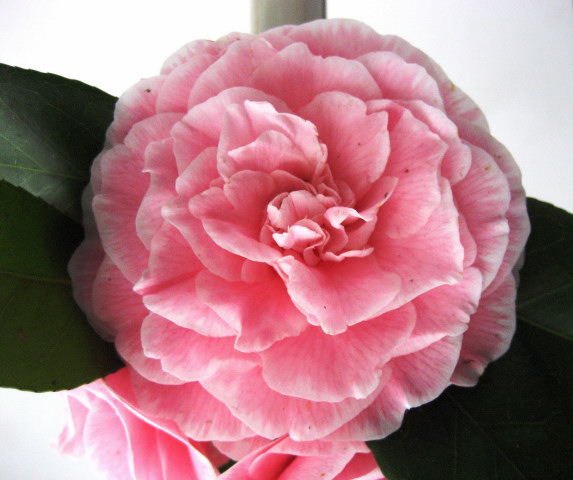 di Michele Colombini – Un itinerario che permetterà di raggiungere Sant’Andrea di Compito per visitare la mostra delle antiche camelie della lucchesia parte dall’ottocentesco Acquedotto del Nottolini alle pendici dei Monti di Vorno.
L’acquedotto rappresenta una grandiosa opera monumentale progettata per portare entro le mura di Lucca, mediante due percorsi separati, acqua di maggiore e minore qualità. L’acqua di maggiore qualità proveniva dalle polle mentre l’altra dalla Serra Vespaiata (costruzione che riuniva le acque del Rio San Quirico e del Rio di Valle).
Il luogo dove si trova la Serra Vespaiata viene chiamato “Alle parole d’oro” perché la gente del posto aveva scambiato per oro le lettere d’ottone lucente che ricoprivano un’iscrizione scolpita sulla pietra di un piccolo ponte.
Attraversando quest’area ci porteremo inoltrandoci nel bosco, fino a San Giusto di Compito per poi raggiungere, su di un breve tratto di strada asfaltata il Borgo delle Camelie.
I piccoli cortili, gli antichi portali, il verde tra le case, le ville, gli alberi di camelie: questi, e molti altri, i motivi per scoprire Sant’Andrea di Compito, durante i fine settimana della mostra Antiche Camelie della Lucchesia.
Alcuni tornanti conducono fra le terrazze di olivi e una antica torre si staglia alta fra monti e cielo. Una torre misteriosa. Dalla sua sommità sporge un cestello di ferro battuto. Ne pendevano, si dice, le teste dei condannati. Il mistero della torre persiste tutt’oggi. I più sostengono che si tratta di una torre di segnalazione fatta costruire dal terribile Castruccio Castracani, signore di Lucca agli inizi del secolo XIV.
La chiesa del paese sorge su un alto sperone, semplice ed imponente. Sotto di essa, al lato del campanile, una fitta siepe di centenarie camelie fa da cornice alla coltivazione di Camellia sinensis L., la pianta del tè, creata da Guido Cattolica.
Un esperimento questo che ha dato risultati molto incoraggianti portando il tè prodotto a Sant’Andrea di Compito a concorrere in degustazioni a carattere internazionale. Non tutto è rustico nel borgo. Alti muri un po’ sbrecciati racchiudono antiche ville nobiliari: Villa Borrini e più decentrate, a Pieve, Villa Giovannetti, Villa Orsi, Villa Di Vecchio. Tutte con una caratteristica comune: i secolari alberi di camelia.
Infine sulla strada per il Monte Serra, in un luogo molto suggestivo, visiteremo il Camellietum, parco naturale che raccoglie più di 700 esemplari diversi di camelie, nato dalla volontà di offrire ai visitatori un’occasione di conoscere questa pianta dal punto di vista botanico, della sua propagazione, della sua storia assicurando nel contempo la tutela e la conservazione nel tempo delle antiche cultivar impiantate.
Escursione di un giorno che si effettuerà nel mese di marzo. Itinerario escursionistico senza difficoltà tecniche per un totale di tre ore di cammino (escluse le soste).
Per informazioni e prenotazioni visita il sito www.vadoevedo.it cercando dal calendario l’escursioni, compila il modulo specificano nome, email, numero di telefono e numero di posti riservati ed invialo per mail.
Per prenotazioni entro le 24 ore dalla partenza telefonare al 347 5870026
by Michael Colombini – A route that will reach St. Andrew’s task to visit the exhibition of ancient camellias part of Lucca dall’ottocentesco Aqueduct Nottolini on a mountain slope of Vorno.
The aqueduct is a great monumental work designed to bring within the walls of Lucca, through two separate paths, major and minor water quality. The water came from higher quality springs and the other by the Serra Vespaiata (construction bringing together the waters of the Rio San Quirico and Rio di Valle).
The place where the Serra Vespaiata is called “The words of gold” because the locals had mistaken for the letters of gold gleaming brass inscription carved on the stone that covered a small bridge.
Crossing this we will take inoltrandoci in the woods, to San Giusto task and then reach over a short stretch of paved road the village of the Camellias.
The small courtyards, ancient portals, between the green houses, villas, camellia trees: these, and many others, to discover the reasons of Sant’Andrea task, during the weekend of the exhibition Ancient Camellias of Lucca.
Some hairpin bends lead between the terraces of olive trees and an ancient tower stands high among the mountains and sky. A mysterious tower. From its top protrudes a basket of wrought iron. It hung, it is said, the heads of the condemned. The mystery of the tower still prevails today. Most argue that it is a watchtower built by Castruccio Castracani terrible, lord of Lucca in the early fourteenth century. The in the village church stands on a high ridge, simple and impressive. Below it, to the side of the tower, a thick hedge of centuries-old camellias framed by the cultivation of Camellia sinensis L., the tea plant, created by Guido Cattolica.
An experiment that has yielded very encouraging results bringing the tea produced in St. Andrew’s task to compete in an international tastings. Not everything is in the rustic village. High walls a little ‘crumbling contain old noble villas: Villa Borrini and more decentralized in Pieve, Giovannetti Villa, Villa Orsi, Villa Di Vecchio. All have a common characteristic: the age-old camellia trees.
Finally on the road to Monte Serra, in a fascinating area, visit the Camellietum, natural park that brings together more than 700 specimens of camellias, born from the desire to offer visitors an opportunity to learn about this plant from the botanical point of view, its propagation, its history while ensuring the protection and conservation in the time of old cultivars planted.
Full day excursion that will take place in March. Hiking itinerary without technical difficulties for a total of three hours of walking (not including stops).
For information and reservations visit www.vadoevedo.it looking for from the desk calendar, fill out the form specifying name, email, phone number and number of seats reserved and send it by mail.
For reservations within 24 hours of departure please call 347 5870026
Gen 23, 2013 | Arte e cultura, Firenze
 di redazione – 2012 – 2013 “Anno della Fede” e indulegenza plenaria concessa dal Papa a quanti si recheranno nelle chiese cattedrali per un tempo di meeditazione e preghiera.
L’Opera di Santa Maria del Fiore, in collaborazione con la Diocesi di Firenze, ha voluto proporre così una riflessione sul legame fra Firenze tra fede e arte, realizzando quattro itinerari in forma di pellegrinaggio: Cammini di fede e arte a Firenze accompagnati da un volume illustrato, a cura di Timothy Verdon.
Punto di arrivo dei quattro itinerari – attivi dal 1 febbraio 2013 – è la Cattedrale di Santa Maria del Fiore dove, dopo aver compiuto il percorso sulle reliquie nella zona del tamburo, i pellegrini potranno raccogliersi in meditazione e preghiera di fronte all’altare allestito nella navata principale con il Polittico di Santa Reparata (bottega di Giotto, 1305 ca.), ricevendo l’indulgenza plenaria concessa dal Santo Padre.
“La maternità di Maria” è il primo dei quattro itinerari che unisce idealmente i luoghi della devozione mariana, a partire dalla Santissima Annunziata – il maggiore santuario mariano di Firenze – per terminare alla Porta della Mandorla del Duomo, capolavoro di Nanni di Banco e di maestri di più generazioni tra cui Donatello.
Il secondo percorso, “Le cattedre dei Vescovi” ha come tema le chiese che hanno ospitato la Cattedra vescovile. Da San Lorenzo, scelta come prima cattedrale di Firenze da San Zanobi (398-429), alla chiesa di San Salvatore al Vescovo sul retro del Palazzo Vescovile, passando per il Battistero e Santa Reparata, fino al grandioso edificio del Duomo di Firenze.
Il terzo cammino è un viaggio nei “Luoghi della carità a Firenze” da Orsanmichele, l’edificio che meglio rappresenta la carità nell’esperienza cristiana, con la Madonna delle Grazie di Bernardo Daddi (1347), al Campanile di Giotto.
I segni della presenza degli ordini religiosi sono il tema del quarto e ultimo itinerario, “Uomini di Dio” al servizio della città, che aiuta a comprendere come le diverse spiritualità hanno dato origine a profonde esperienze cristiane collegate alle vicende storiche della città.
Meditando in questi luoghi, davanti alle opere d’arte, orientandosi con la lettura dei brani delle Scritture e del Magistero proposti per ogni itinerario, il pellegrino avrà la possibilità di sperimentare un originale cammino di Fede e di scoprire una lettura più profonda dei tanti capolavori che segnano la nostra eredità culturale.
I materiali di supporto agli itinerari (depliant con informazioni e carta del pellegrino) sono a disposizione gratuitamente presso il Centro Arte e Cultura dell’Opera (piazza San Giovanni 7, Firenze), dove dovranno essere ritirati prima di iniziare gli itinerari.
Per informazioniwww.operaduomo.firenze.it oppureOPA – Centro Arte e Cultura, tel. 055 282226,e.mail: artecultura@operaduomo.firenze.it.
Foto: itinerario 3. Bernardo Daddi, Madonna delle Grazie, 1347, orsammichele
by redaction – 2012-2013 Year of Faith, and a plenary indulgence the makers of viagra sued by plantiffs granted by Pope will travel to many of the Cathedral Churches for a time of prayer and meditation.
The Work of Santa Maria del Fiore, in collaboration with the Diocese of Florence, he wanted to propose as a reflection on the relationship between faith and art in Florence, producing four routes in the form of pilgrimage: Walk of faith and art in Florence accompanied by a illustrated book, Florence Christian. Paths of faith and art by Timothy Verdon.
Culmination of four routes – operating since 1 February 2013 – is the Cathedral of Santa Maria del Fiore, where, after having completed the course of the relics in the area of the drum, the pilgrims will gather in meditation and prayer before the altar set up in the main aisle with the Polyptych of Saint Reparata (workshop of Giotto, 1305 ca.), receiving a plenary indulgence granted by the Holy Father.
“Mary’s motherhood” is the first of four routes that ideally combines the places of Marian devotion, from the Annunciation – the largest Marian shrine of Florence – to finish at Almond Door of the Cathedral, a masterpiece of Nanni di Banco and masters of different generations including Donatello.
The second course, “The teaching of the bishops” has as its theme the churches that have hosted the Episcopal seat. From San Lorenzo, chosen as the first cathedral of Florence from San Zanobi (398-429), the church of San Salvatore on the back of the Bishop of the Episcopal Palace, passing the Baptistery and Santa Reparata, to the great building of the Cathedral of Florence.
The third path is a journey through the “Places of charity in Florence” from Orsanmichele, the building that best represents the charity in the Christian experience with Our Lady of Grace by Bernardo Daddi (1347), Giotto’s Campanile.
The signs of the presence of religious orders are the subject of the fourth and final route, “Men of God” in the service of the city, which helps to understand how the different spirituality gave rise to profound Christian experiences related to the historical events of the city.
Meditating in these places, in front of works of art, oriented with the reading of passages of Scripture and the Magisterium proposed for each route, the pilgrim will have the chance to experience a unique journey of faith and discover a deeper reading of the many masterpieces that mark our cultural heritage.
Support materials to routes (brochures with information and paper pilgrim) are available free of charge at the Art and Culture Center of the Opera (St. John 7, Florence), which must be collected before starting the routes.
For information or www.operaduomo.firenze.it OPA – Art and Culture Centre, tel. 055 282226, e-mail: artecultura@operaduomo.firenze.it.
Photo: Route 3. Bernardo Daddi, Madonna delle Grazie, 1347, Orsammichele
Gen 20, 2013 | Enogastronomia, Firenze
 di Stefania Pianigiani – Inizia con uno di più famosi e talentuosi chef toscani, la nuova rubrica di The Tuscany, legata all’enogastronomia di qualità della regione.
Quarantanni e non sentirli, verrebbe da dire, parlando dello chef Marco Stabile, che compie gli anni proprio oggi. Il percorso professionale di Marco Stabile è stato un crescendo di successi e da qualche anno si è lasciato andare in una sfida davvero ambiziosa quella dell’Ora d’Aria, il il suo ristorante nel cuore di Firenze.
Uno spazio accogliente, dominato da luci tenui dove crea piatti ricercati, sintesi della tradizione toscana, dando mettendo in risalto la memoria delle origini.
La stella della prestigiosa guida Michelin, di cui è insignito, parla a chiaro a proposito della qualità della sua cucina, che estrapola l’anima e l’emozioni di un ingrediente, lasciando che esprima se stesso.
Il percorso formativo di Stabile, è partito da lontano, e si è radicato prima in alcune parti della Toscana per poi affermarsi anche nella città gigliata, grazie a un lavoro di umiltà e creatività che lo ha portato oggi ad essere riconosciuto come “cuoco di prestigio” in Italia e nel mondo.
Scopriamo di più sul suo conto attraverso questa intervista:
Quali sono le tue linee guida che ti rendono diverso da altri locali a una stella?
Ogni stellato è speciale a modo suo, quello che faccio ogni giorno è guardare indietro, molto indietro e poi avanti nei tempi e raccontare tutto attraverso i miei piatti, i nostri gesti, le nostre idee. Coinvolgere i giovani cuochi e stimolarli a creare, comunicare ciò che vedono assaggiano, sognano, è un impegno che mi prendo ogni giorno.
Qual’è il piatto di cui vai più orgoglioso?
Sono molti in realtà, potrei menzionare il maialino morbido-croccante, il piccione in tre cotture, l’hamburger davvero! Ma il piatto a cui sono più affezionato è l’uovo, le uova e la gallina: i riti della nonna toscana, dove in un piatto racconto tutte le emozioni culinarie che mia nonna ci ha trasmesso durante le feste, il tutto partendo da una pentola di brodo di gallina….
Perchè hai scelto Firenze per aprire il tuo ristorante?
Firenze, la mia città. Non sono nato qui, ma ogni volta che volevo qualcosa di grande, di europeo, di mondiale, venivo qui con il treno e stupivo me stesso con l’arte, le bellezze architettoniche, la storia di questa grande città.
E’ la mia fonte di ispirazione più grande, è viva, piena di cultura gastronomica e proposte nuove, basta saperle cogliere, leggere e interpretare. La porto sempre con me nei miei viaggi e negli eventi nel mondo, la rammento nei miei piatti, rivive sempre nei sapori che esprimo.
Marco Stabile – Ora d’aria ristorante
Via dei Georgofili, 11R – 50122 Firenze
Tel/fax +39 055 2001699 – Mobile +39 3290263177
www.oradariaristorante.com
by Stefania Pianigiani – Start with one of the most famous and talented chef from Tuscany, a new section of The Tuscany, linked to wine quality in the region. Forty years and not hear, you might say, speaking chef Marco Stabile, who are celebrating a birthday today. The career of Marco Stabile has been a growing success and in recent years has left to go to a really ambitious challenge that the Hour of Air, his restaurant in the heart of Florence.
A welcoming space, dominated by soft lights which creates refined dishes, the synthesis of the Tuscan tradition, giving highlighting the memory of its origins.
The star of the prestigious Michelin guide, which is awarded, speaks clearly about the quality of its cuisine, which extrapolates the soul and emotions of an ingredient, leaving expressing himself.
The training of Stable, started from a distance, and first took root in some parts of Tuscany and then establish themselves in the city of the lily, thanks to the work of humility and creativity that brought it today to be recognized as “chef prestige “in Italy and in the world.
Let’s find out more about him through this interview:
What are your guidelines that will make it different from other places in a star?
Each star is special in its own way, what I do every day is look back, way back and then forward in time and tell all through my dishes, our gestures, our ideas. Involving young chefs and encourage them to create, communicate what they see taste, dream, is a commitment that I take every day.
What is the dish you most proud of?
There are many in fact, I could mention the soft-crunchy pig, pigeon Three ways to cook the burgers really! But the dish I’m most fond of is the egg, the egg and the hen: the rites of the grandmother Tuscany, where a plate culinary story all the emotions that my grandmother sent us during the holidays, all from a pot chicken broth ….
Why did you choose to open your own restaurant in Florence?
Florence, my city. I was not born here, but every time I wanted something big, European, of the world, I came here by train and was amazed myself with art, beautiful architecture, the history of this great city.
It ‘s my biggest source of inspiration is alive, full of gastronomic culture and new proposals, simply grasp them, read and interpret. I always carry it with me in my travels and events in the world, I remember in my dishes, lives always in the flavors that express.
Marco Stabile – Ristorante Ora d’Aria
Via Georgofili 11R – 50122 Florence
Tel / fax +39 055 2001699 – Mobile +39 3290263177
www.oradariaristorante.com
Gen 18, 2013 | Chianti Classico, Enogastronomia, Eventi, Shopping
 di Nadia Fondelli – Una rivoluzione attesa da tempo e di cui si sentiva parlare da almeno da un anno. Il Chianti Classico cambia o più semplicemente si mette al passo coi tempi.
Via la fascetta col Gallo Nero strizzata sul collo della bottiglia. L’etichetta scende sull’etichetta o sul retroetichetta con misure e colori definiti dal Consorzio.
Regole severe per il viso sfuso che dovrà uscire dalle cantine già “firmato” Chianti Classico come garanzia di qualità per il consumatore. Ma sopratutto una rivoluzione quasi totale della piramide di qualità della denominazione.
Gli appassionati dallo scorso maggio – data in cui si sentiva già parlare di alcune importanti novità – erano in fibrillazione; i colleghi più titolati a caccia di scoop e anticipazioni si sono arrampicati sugli specchi per cercare di indovinare, ma oggi è il Consorzio stesso a svelarci le novità.
Il “Gran Selezione” diventerà il prodotto d’elite della griffe. Il vino migliore fatto solo con uve nate nell’azienda e che non andrà sul mercato prima di 30 mesi.
Questa attesa novità rivoluzionerà un po’ tutte le altre linee di produzione. Solo il Chianti Classico d’annata rimarrà inalterato, mentre la Riserva avrà come novità il doversi dichiarare tale fin da subito e non come succedeva fino ad oggi quando poteva diventare tale anche solo prima di andare sul mercato, ovvero 2 anni dopo la raccolta delle uve e di cui almeno tre mesi passati in bottiglia.
D’ora in poi per poter essere un Chianti Classico Riserva il produttore deve dichiararlo dalla vigna: quell’uva e solo quella diventerà tale.
Novità approvate pochi giorni fa a grande maggioranza dall’assemblea su proposta del Consiglio di Amministrazione. Novità che intendono valorizzare la Denominazione facendola crescere sempre di più nonostante che il 2012 con i suoi venti di crisi abbia fatto registrare un invidiabile +8% sui mercati mondiali con gli Usa come piazza forte e una forte crescita cinese.
“Si chiude un percorso iniziato più di due anni fa con il preciso intento di rilanciare la denominazione attraverso una serie di modifiche al disciplinare finalizzate ad assecondare quell’innalzamento qualitativo del prodotto conseguito dai nostri vini negli ultimi anni” afferma Sergio Zingarelli, Presidente del Consorzio Vino Chianti Classico.
“Sono sicuro che con questi nuovi strumenti saremo in grado di affrontare le sfide del futuro con una serie di regole capaci di rendere il Chianti Classico più forte davanti alla crescente concorrenza internazionale. Ringrazio tutto il corpo sociale, il cda e la Presidenza che mi ha preceduto, tutti insieme abbiamo contribuito a questo importante traguardo”.
Sarà il tradizionale appuntamento annuale della Stazione Leopolda di Firenze con il Chianti Classico Collection a “battezzare” con la presentazione ufficiale il prossimo febbraio il Chianti Classico del futuro. Più in particolare, martedì 19 febbraio, nella tradizionale conferenza stampa della manifestazione sarà “svelata” la nuova immagine e tutte le altre novità del riassetto.
260mila quintali pari a 34 milioni di bottiglie venduti nel 2012; 4,7 miliardi export per tutto il vitigno Italia, crescite di fatturato del +13% del comparto che ha salvato di fatto l’Italia sui mercati internazionali.
Numeri importanti per il re del made in Italy, numeri a cui si arriva solo grazie a una qualità sempre maggiore, ad un’attenzione viva per le richieste del mercato nella certezza che il vino italiano e il suo principe Chianti Classico non si possono taroccare!
by Nadia Fondelli – A revolution is long overdue and that viagra online without prescription there was talk for at least a year. The Chianti Classico changes or simply puts up with the times.
Go the band with Gallo Nero wrung the neck of the bottle. The label goes on the label or on the back label sizes and colors defined by the Consortium.
Strict rules for the face loose and must leave the cellar already “signed” Chianti Classico as a guarantee of quality for the consumer. But above all a revolution almost total quality pyramid of the name.
Fans since last May – the date on which she was already talking about some major changes – were fibrillation; colleagues more qualified to hunt for scoops and advances climbed at straws to try to guess, but today is the Consortium to reveal the news.
The “Great Selection” will become the elite product of the brand. The best wine made only from grapes born on the farm which will not go on the market before 30 months.
This innovation will revolutionize waiting a bit ‘all the other production lines. Only the Chianti Classico vintage will remain unchanged, while the Reserve will like the novelty having to declare this immediately and not going to date when he could become that even before going on the market, or 2 years after the harvest of which at least three months in bottle. From now on, in order to be a Chianti Classico Riserva, the manufacturer shall declare the vineyard and only those grapes that become such.
New approved a few days ago by the Assembly by a large majority on a proposal from the Board of Directors. News that intend to enhance the name making it grow more and more in spite of the 2012 with its winds of crisis has registered an enviable +8% on world markets with the U.S. as a fortified town and a strong growth in China.
“It closes a process that began more than two years ago with the specific intent to revive the name through a series of changes to the specification designed to accommodate quell’innalzamento product quality achieved by our wines in recent years,” said Sergio Zingarelli, President of the Consortium Chianti Classico wine.
“I am sure that with these new tools will be able to meet the challenges of the future with a set of rules that can make Chianti Classico stronger in front of the growing international competition. I thank all the social body, the Board of Directors and the President who preceded me, we have all contributed to this important milestone. “
It will be the annual event of the Stazione Leopolda in Florence, Chianti Classico Collection to “baptize” with the official launch next February Chianti Classico of the future. More specifically, Tuesday, Feb. 19, in the traditional press conference of the event will be “unveiled” the new image and all the other news of the reorganization.
260 thousand tons of 34 million bottles sold in 2012, 4.7 billion and exports to all over the vine Italy, revenue growth of +13% of the sector that has actually saved Italy in international markets.
Important numbers for the king of the made in Italy, numbers which can be reached only through a higher and higher quality, with attention alive to the demands of the market in the certainty that Italian wine Chianti Classico and her prince can not falsify!
Gen 14, 2013 | Arte e cultura
 di Nadia Fondelli – Questo mese vi guideremo in un itinerario di misticismo fra abbazie,pievi monasteri ed eremi che offrono in molti casi anche un’ospitalità fatta di semplicità. Luoghi che affondano l’origine in tempi lontano e spesso situati in ambienti solitari perfetti per vacanze speciali, ma anche ottimi punti di partenza per vivere la Toscana da un angolazione diversa. Impossibile visitarli tutti e allora abbiamo deciso di proporvi un gran tour sulle orme del sacro.
Partiamo da Cortona dove in località Le Celle sono delle grotte sul costone del Monte Sant’Egidio dov’erano soliti rifugiarsi i poveri quando San Francesco vi si ritirò in preghiera. Qui nel 1231 venne eretto un Eremo che dal 1922 accoglie tutti coloro che vogliono fermarsi in questo luogo a cavallo fra Umbria e Toscana. Tel. 0575 603362.
Nel cuore di Firenze è invece l’Abbazia di Santa Trinita dove nel complesso di via del Parione sono dall’XI secolo i Vallombrosiani che oggi posseggono quello che una volta era il noviziato. L’Abbazia, una miscela di gotico e romanico frequentata anche da Michelangelo comprendeva altri locali ora adibiti ad uso pubblico e la parrocchia nominata in una Bolla di Papa Lucio III nel 1183. Pregevoli le opere conservate fra cui un’Adorazione dei Pastori di Domenico Ghirlandaio. Si può dormire su prenotazione e degustare i prodotti medicinali che i frati fin dal 1780 producono fra cui l’ Elisir stomatico per digestione e i liquori giallo verde a base di timo ed erbe aromatiche. Tel 055216912
Per chi si trova in Maremma impossibile non salire sulle pendici del Monte Argentario dove, nel 1728 San Paolo della Croce fondò il Romitorio di Sant’Antonio creando il primo nucleo dell’Ordine completato più tardi con la chiesa, il convento e l’edificio del noviziato oggi adibito a casa di preghiera. La posizione splendida che domina dall’alto la costa, la frescura e il silenzio dei boschi circostanti fanno di questa casa dei Padri Passionisti un luogo ideale per fermarsi qualche giorno, mentre per chi è solo di passaggio da provare è il liquore “argentarium”. Tel. 0564 812641.
Salendo la costa, poco fuori Livorno è inevitabile fermarsi al Santuario di Montenero il più antico e famoso della regione che la leggenda narra sia stato dedicato alla Madonna delle Grazie a seguito de ritrovamento sulla spiaggia dell’Ardenza di una tavola con la sua immagine. In stile barocco il Santuario, oggi è dei Benedettini Vallombrosani che ne hanno fatto la sede della “Santa Lega Mariana, per promuovere il culto della Madonna ed ospitano in moderne camere. Tel. 0586 57771.
Sulle Alpi Apuane, a Vergemoli è l’Eremo di Calomini a strapiombo su un costone roccioso con una chiesina dell’XI secolo ed un romitorio per la vita ascetica e meditativa dove gli eremiti sono rimasti fino al 1868. Dal 1966 con decreto vescovile il luogo è divenuto Santuario Diocesano. Splendide le celle e parte della chiesa scavate nella roccia con la veneratissima statua lignea della Madonna della Penna. Non si può dormire, ma degna di una visita è l’erboristeria. Tel. 0583 767003.
Spostandoci nel territorio di Massa Carrara l’invito è di fermarsi a Mulazzo dov’è un santuario dedicato alla Madonna del Monte eretto in seguito ad un fatto miracoloso il cui culto risale al XII secolo epoca in cui i benedettini dell’Abbazia di Borzone fondarono questo priorato isolato sulla vetta di un monte ad oltre 900 metri di quota. Si può anche soggiornare in apposite case per villeggiatura.
Tornando a sud chiudiamo idealmente il nostro tour in un luogo famoso di grande fascino appena fuori Montalcino: Sant’Antimo fondato – fra leggenda e realtà – da Carlo Magno che nel 781 tornando da Roma vide in questa vallata morire molti suoi soldati colpiti dalla peste e per porre fine all’epidemia giurò di far costruire un’Abbazia. Di quell’abbazia rimangono solo la Cripta e la Cappella carolingia. Dal 1992 il luogo è affidato ai Canonici Regolari di Sant’Agostino. Qui tutte le funzioni sono cantate in gregoriano e l’ospitalità è composta da dieci camere e quattro dormitori per gruppi autogestiti. Tel. 0577 835659-by Nadia Fondelli – This month, we’ll take you on a mystic tour around the monasteries, churches, abbeys and hermitages that also often offer simple hospitality.
These are places that originated in the distant buy cheap cialis site espharmacycom past and are often located in solitary environments, perfect for special holidays, as well as being great starting points to experience Tuscany from a different perspective. It’s just not possible to visit them all, so we’ve decided to offer you a religious grand tour.
Let’s start in Cortona, where you’ll encounter some grottos around Le Celle on the ridge of Monte Sant’Egidio, where the poor often sought refuge when Saint Francis retired here in prayer. A hermitage was erected here in 1231, which welcomed all those who wished to stay here between Umbria and Tuscany from 1922 onwards. Tel. 0575 603362
In the heart of Tuscany, there’s the monastery of Santa Trinita, where the Vallombrosan monks have stayed in the buildings along Via del Parione since the eleventh century, who now own what was once the novitiate. A mixture of Gothic and Romanesque, also frequented by Michelangelo, the monastery included other premises, now used by the public, and the parish named in a papal bull by Lucius III in 1183. It is home to valuable works, including Domenico Ghirlandaio’s Adoration of the Shepherds. You can sleep here if booked in advance and enjoy the medicinal products that the monks have been producing here since 1780, including the elixir for stomachs for digestion and the green-yellow liqueurs based on thyme and herbs. Tel 055216912.
If you’re in the Maremma area, climbing up the slopes of Monte Argentario is a must, where Saint Paul of the Cross founded the Romitorio di Sant’Antonio in 1728, creating the first centre of the order, which was completed later with the church, monastery and the novitiate building, now used as a prayer house. The wonderful position that dominates the coast from on high, the coolness and silence of the surrounding woods make this house of the Passionists a perfect place to stop for a few days. If you’re just passing through, make sure you try the argentarium liqueur. Tel. 0564 812641.
Heading up the coast, just outside Livorno, stopping in the sanctuary of Montenero is a must, the oldest and most famous one in the region. The legend goes that it was named after Our Lady of Graces following the unearthing of a painting with her image on the Ardenza beach. In Baroque style, the sanctuary now belongs to the Vallombrosan Benedictines, who have created the headquarters of the Santa Lega Mariana to promote the worship of the Virgin Mary and provide hospitality in modern rooms. Tel. 0586 57771.
In the Apuan Alps, in Vergemoli, you come across the Eremo di Calomini, perched on a rocky ridge with an eleventh-century chapel and a hermitage for the ascetic and meditative life, where hermits remained until 1868. The place became a Diocesan sanctuary with the bishop’s decree in 1966. The cells are wonderful, as well as part of the church carved into the rock with the much worshipped wooden statue of Madonna della Penna. You can’t sleep here, but the herbalist’s shop is well worth a visit. Tel. 0583 767003.
Moving into the Massa Carrara area, you’re invited to stop in Mulazzo, where a sanctuary dedicated to Madonna del Monte, erected after a miracle, whose worship dates back to the twelfth century, when the Benedictines of the Abbazia di Borzone founded this isolated priory on the top of a mountain more than 3,000 feet above sea level. You can also stay here in holiday homes.
Heading back down to the south, we finish off our tour in a famous place that’s full of charm just outside Montalcino. Cloaked in myth and fact, Sant’Antimo was founded by Charlemagne, who saw many of his soldiers die in this valley, struck by the plague, in 781 on his way back from Rome and he swore that he would build a monastery to put an end to the epidemic. Only the crypt and Carolingian chapel remain of that monastery. The place is entrusted to the Canons Regular of Sant’Agostino in 1992. Here all the functions are sung in Gregorian and hospitality consists of ten rooms and four dormitories for self-managed groups. Tel. 0577 835659.
Dic 23, 2012 | Arte e cultura, Chianti Classico
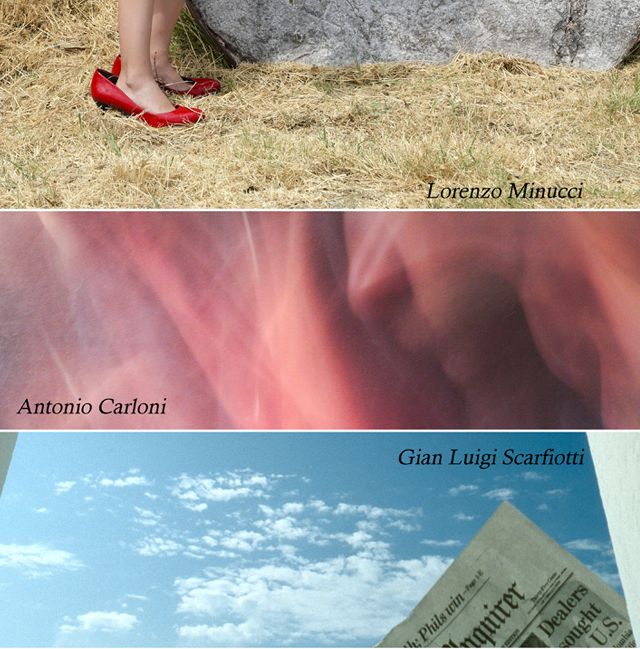 di Stefania Pianigiani – Dopo il successo della stagione estiva, dedicato alla scultura, Augusto Bianciardi e la sua “Galleria d’Arte Contemporanea”, tornano all’attacco con “ProgettArte” dedicato interamente alla fotografia. Nello splendido scenario dell’”Ex CantineRicasoli, a Gaiole in Chianti (Si), completamente ristrutturate, tre grandi fotografi del territorio, allestiscono, la loro nuova collezione di immagini.
Gli artisti coinvolti sono Gian Luigi Scarfiotti, Lorenzo Minucci e Antonio Carloni. Ad essi, proseguendo nell’intento programmatico che prendeva spunto dal concetto di “Habitat”, sono stati indicati luoghi pubblici di aggregazione e di evidente valore sociale testimoni del vissuto della comunità: l’asilo, la biblioteca, la palestra.
Chiedendo loro di esprimersi e dialogare con essi credo che abbiano compiuto una operazione di arricchimento fornendo nuovi stimoli con considerazioni evidentemente espresse attraverso le immagini fotografiche. Il risultato apparirà subito chiaro allo spettatore che vorrà visitare la mostra che, in occasione dell’ inaugurazione, sarà allestita nelle sale del complesso delle ”Ex Cantine Ricasoli”, di seguito le opere prenderanno posto all’interno delle strutture per le quali sono nate.
Gian Luigi Scarfiotti esprime il concetto di “Orizzonti” attraverso immagini presentate come visioni e vedute che anelano al futuro e all’infinite possibilità del viaggio e dei sentieri che vi conducono. Quale miglior stimolo e augurio per i frequentatori dell’Asilo.
A duecento anni dalla prima pubblicazione delle favole dei fratelli Grimm, Lorenzo Minucci presenta delle trasposizioni iconografiche, immuni dalla “disneyficazione”, fedeli all’originalità del testo.Per gli spazi della Biblioteca realizza un ulteriore analisi proponendo altresì una dilatazione temporale degli eventi e modificandone conseguentemente la morale finale.
“Peristalsi” è il titolo riassuntivo che Antonio Carloni ha scelto in relazione alla Palestra. Il movimento, l’uso dei colori primari e l’attenzione per il proprio corpo sono i temi principali. Foto, video ed installazioni realizzate come un environment obbligano all’interazione con le opere facendo dello spettatore il protagonista di un esperienza coinvolgente non soltanto dal punto di vista concettuale ma anche fisico.
by Stefania Pianigiani – After the success of the summer season discount levitra, devoted to sculpture, Augustus Bianciardi and his “Gallery of Contemporary Art,” returned the attack with “ProgettArte” devoted entirely to photography. In the splendid setting of ‘”Ex CantineRicasoli, Gaiole in Chianti (Si), completely renovated, three great photographers of the territory, fitting, their new collection of images.
The artists involved are Gian Luigi Scarfiotti, Minucci and Antonio Lorenzo Carloni. To them, continuing programmatic intent which was built upon the concept of “Habitat”, have been shown public places to gather and obvious social value of the witnesses lived in the community: the kindergarten, library, gym. Asking them to express themselves and communicate with them I think they have made an enrichment operation providing new stimuli with considerations clearly expressed through photographic images. The result will appear immediately clear to the audience that will want to visit the exhibition on the occasion of ‘inauguration will be displayed in the rooms of all the “Ex Cellars Ricasoli” below the works will take place within the facilities where they were born.
Gian Luigi Scarfiotti expresses the concept of “Horizons” through images presented as visions and views that yearn for the future and all’infinite possibility of the journey and the paths leading to it. What better encouragement and hope for those who frequent Asylum.
Two hundred years after the first publication of the tales of the brothers Grimm, Lorenzo Minucci has transpositions iconographic immune from the “Disneyfication”, true originality of testo.Per spaces of the Library creates an additional analysis and also proposes a time dilation of events and changing consequently the moral end.
“Peristalsis” is the title that summarizes Antonio Carloni has chosen in relation to the Gym. The movement, the use of primary colors and attention to your body are the main themes. Photos, videos and installations created as an environment require interaction with the work by the viewer the protagonist of a unique experience not only from the conceptual point of view but also physical.
