Apr 8, 2012 | Arte e cultura, Grosseto
 Oggi come ieri, sopratutto in Maremma, la notte tra il 30 aprile ed il 1° maggio è possibile ascoltare l’ antico canto itinerante le cui origini ci portano all’antico culto degli alberi e dei rituali agresti.
Un rito propiziatorio che col tempo è diventanto canto augurale per l’arrivo della primavera, il rifiorire della natura, auspicando fertilità e buon raccolto.
Una tradizione ininterrotta quella del “Maggio”, che ha resistito al corrodere della civiltà moderna.
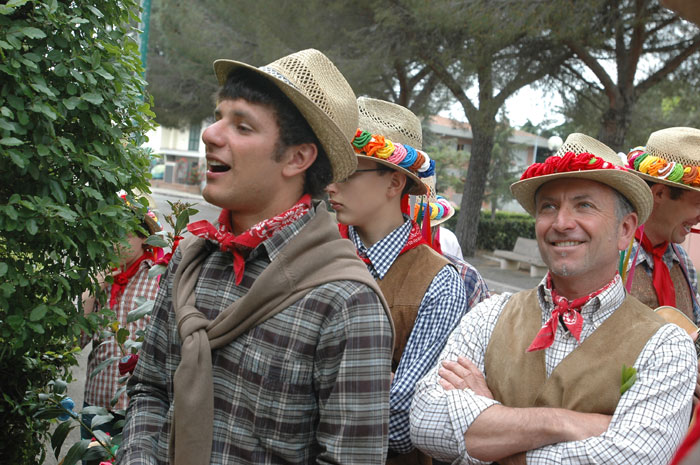
Così è facile imbattersi in queste variopinte brigate dei “maggerini” adornate di fiori e colori che girano di podere in podere, partendo il pomeriggio del 30 aprile per arrivare al pomeriggio del 1° maggio dopo aver cantato tutta la notte.
Queste squadre di inconsueti visitatori notturni sono formate da 10/15 elementi; vestono abiti e cappelli decorati con fiori di carta e nastri colorati. Il gruppo è accompagnato da fisarmonica e chitarra.
Oltre alle voci di coro, nei gruppi troviamo vari personaggi: la figura centrale del “Poeta” che compone il testo ed intona il “permesso” per entrare nei poderi e il “ringraziamento” prima di uscire, improvvisando sempre versi in “ottava rima”; “L’Alberaio” che porta il ramoscello d’alloro fiorito simbolo della festa; il “Corbellaio” incaricato di raccogliere e custodire le offerte che poi saranno consumate in un pasto comune chiamato “Ribotta”.
La Festa di Braccagni è una consuetudine del genere. Dal 1991 squadre di “maggerini” provenienti da tutta la Maremma si danno ritrovo nell’oliveto del Campo della Fiera, ai piedi di Montepescali.
Tra le molte squadre che vi partecipano da segnalare: il Coro degli Etruschi, Ponti di Badia, Ottava Zona, Ribolla, Maremma in musica, Roccatederighi, Pettirossi di Roccastrada, Grilli, oltre alle due squadre di Braccagni. Ma la festa spontanea è anche occasione per ascoltare interpreti della nostra cultura popolare e cantanti folk come Riccardo Marasco.
La festa è corredata oltre che dall’immancabile merenda, da spazi adibiti ad esposizioni culturali e a dimostrazioni pratiche delle attività artigianali ormai in disuso. L’appuntamento, seguito da molti appassionati, è possibile grazie ai giovani del Gruppo Tradizioni Popolari “Galli Silvestro” e al patrocinio del Comune e della Provincia di Grosseto, e si va proponendo come una delle scadenze calendariali folcloriche più rilevanti della Toscana.Today like yesterday, especially in Maremma, during the night between 30th April and 1st May it is sonic pay day loans possible to listen to the ancient travelling song the origins of which take us to the old cult of the trees and rural rituals.
It is a propitiatory rite that over time has become an augural song for the arrival of spring, the blossoming of nature, hoping for fertility and a good harvest.
“May” is an uninterrupted tradition that has withstood the corrosion of modern civilisation.
It is easy to come across this colourful brigade of “maggerini” adorned with flowers and colours, travelling from farm to farm, leaving on the afternoon of 30th April and stopping on the afternoon of the 1st May after singing all night.
These teams of unusual night-time visitors comprise from 10 to 15 elements; they wear clothes and hats decorated with paper flowers and coloured ribbons.
The group is accompanied by an accordion and guitar. Apart from the voices in the choir, there are various characters in the group: the central figure of the “Poet” who composes the text and intones the “permission” before entering the farms and the “thank you” before leaving, always improvising verse in octuplets; the “Alberaio” who carries a flowering laurel branch, the symbol of festivals; the “Corbellaio” charged with collecting and keeping the offers that will then be consumed in a shared meal called the “Ribotta”.
The Braccagni Festival is an event of this type. Since 1991, teams of “maggerini” from all over Maremma meet up at the olive grove in Campo della Fiera, at the feet of Montepescali.
The many teams include the Etruscan Choir, Ponti di Badia, Ottava Zona, Ribolla, Maremma in music, Roccatederighi, Pettirossi di Roccastrada, Grilli, together with the two teams from Braccagni. But the spontaneous festival is also an opportunity to listen to interpreters of our popular culture, including extemporary poets and folk singers like the famous Riccardo Marasco.
The festival also includes a snack, areas for cultural activities and practical demonstrations of extinct craft activities. The event, attended bay many enthusiasts, is made possible thanks to the young people of the “Galli Silvestro” Popular Traditions Group and the patronage of the city and provincial council of Grosseto. It is now one of the most important folklore events in the whole of Tuscany.
Apr 6, 2012 | Argentario
 Orbetello è unica con il suo centro storico allungato sulla striscia di terra che divide la laguna dal mare.
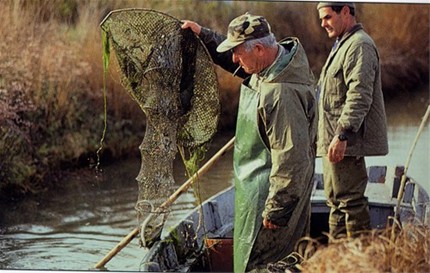
Il paese è terra di pescatori che sono uniti in un’unica cooperativa che governa la pesca nella laguna, 2500 ettari d’acqua divisi a metà dalla diga Leopoldina che collegato Orbetello con Monte Argentario.
E’ un’attività antichissima per la gente di Orbetello la pesca in laguna; attività oggi valorizzata da una vera golosità gastronomica: la bottarga di cefalo (o muggine).
Le sacche ovariche delle femmine di muggine, dopo essere state asportate, lavate, trattate con sale marino ed essicate hanno qui una stagionatura più breve che altrove e questo fa sì che, la bottarga di Orbetello, sia più morbida e meno punente nel sapore rispetto alle altre del Mediterraneo.
Va ricordato che nel mare nostrum, la bottarga (dall’arabo battarikh: uova di pesce salate) è diffusa un po’ ovunque è quella di Orbetello ha origini che ci riportano a quasi 600 anni fa!
Ma la laguna di Orbetello offre, agli amanti dei prodotti ittici altre specialità. I granchi, le orate, i cefali, le spigole e soprattutto, la classicissima anguilla, che qui è un vero simbolo.
La preparazione classica dell’anguilla orbetellese è lo sciabecco, termine che deriva da scabeche, che in spagnolo vuol dire marinata. Retaggio questo della lunga dominazione spagnola.
Ma la laguna di Orbetello è anche uno degli “stagni” europei più ricchi di selvaggina di passo. Sono stati osservati infatti qui, oltre 140 specie di uccelli diversi!Orbetello is unique with its historic centre on the stripe of land that divides the lagoon from the sea.
It’s a village of fishermen who are all members of the one and only cooperative responsible for the fishing activity in the 2500 hectare lagoon divided in half by the Leopoldina dam connecting Orbetello with the Monte Argentario.
The people in Orbetello have been fishing in the lagoon since ancient times and today the activity is valorised by the gastronomic delicatessen: the mullet “bottarga”.
When the ovaries from the female mullets have been removed, washed, treated with marine salt and dried, the ageing process starts, a process that is shorter here compared to the bottarga of other areas in the Mediterranean and for this reason the taste of the Orbetello Bottarga is more tender and delicate.
In the Mediterranean area the bottarga (from the Arabic word battarikh meaning salted hard roe) is very common and in Orbetello its origins goes back to more than 600 years!
But the Orbetello lagoon offers many other specialties as well. Crab and sea bream, mullet, bass and above all the classic eel that has become a real symbol in this area.
The classical recipe of Orbetello eel is the so called sciabecco, a term that comes from the Spanish word scabeche meaning marinade, deriving from the long Spanish domination of the area.
The Orbetello lagoon is also known for its rich wildlife, in fact more than 140 different species of birds have been observed here. The Orbetello “Bottarga”
Orbetello is unique with its historic centre on the stripe of land that divides the lagoon from the sea. It’s a village of fishermen who are all members of the one and only cooperative responsible for the fishing activity in the 2500 hectare lagoon divided in half by the Leopoldina dam connecting Orbetello with the Monte Argentario.
The people in Orbetello have been fishing in the lagoon since ancient times and today the activity is valorised by the gastronomic delicatessen: the mullet “bottarga”.
When the ovaries from the female mullets have been removed, washed, treated with marine salt and dried, the ageing process starts, a process that is shorter here compared to the bottarga of other areas in the Mediterranean and for this reason the taste of the Orbetello Bottarga is more tender and delicate.
In the Mediterranean area the bottarga (from the Arabic word battarikh meaning salted hard roe) is very common and in Orbetello its origins goes back to more than 600 years!
But the Orbetello lagoon offers many other specialties as well. Crab and sea bream, mullet, bass and above all the classic eel that has become a real symbol in this area.
The classical recipe of Orbetello eel is the so called sciabecco, a term that comes from the Spanish word scabeche meaning marinade, deriving from the long Spanish domination of the area.
The Orbetello lagoon is also known for its rich wildlife, in fact more than 140 different species of birds have been observed here.
Apr 4, 2012 | Arcipelago | Costa degli Etruschi, Eventi
 Come da tradizione, ogni anno il Lunedì dell’Angelo e quindi il 9 aprile, all’Isola d’Elba presso l’Eremo di Santa Caterina, sul Monte Serra si celebra questa festa tradizionale.
La sportella è un dolce tipico del periodo pasquale a forma di ciambella con le estremità che si incrociano sovrapponendosi, tipico del comune di Rio nell’Elba.
Questo dolce un tempo era scambiato, durante il periodo pasquale fra fidanzati quale auspicio di fertilità per la nuova stagione.
Oggigiorno la sportella viene prodotta artigianalmente solo nella parte orientale dell’Elba e solo nel periodo pasquale.
La sagra è a cura della Pro Loco di Rio nell’Elba e Associazioni varie, in collaborazione con il Comune di Rio nell’ElbaCome da tradizione, ogni anno il Lunedì dell’Angelo e quindi il 9 aprile, all’Isola d’Elba presso l’Eremo di Santa Caterina, sul Monte Serra si celebra questa festa tradizionale.
La sportella è un dolce tipico del periodo pasquale a forma di ciambella con le estremità che si incrociano sovrapponendosi, tipico del comune di Rio nell’Elba.
Questo dolce un tempo era scambiato, durante il periodo pasquale fra fidanzati quale auspicio di fertilità per la nuova stagione.
Oggigiorno la sportella viene prodotta artigianalmente solo nella parte orientale dell’Elba e solo nel periodo pasquale.
La sagra è a cura della Pro Loco di Rio nell’Elba e Associazioni varie, in collaborazione con il Comune di Rio nell’Elba
