Mar 4, 2013 | Enogastronomia, Firenze
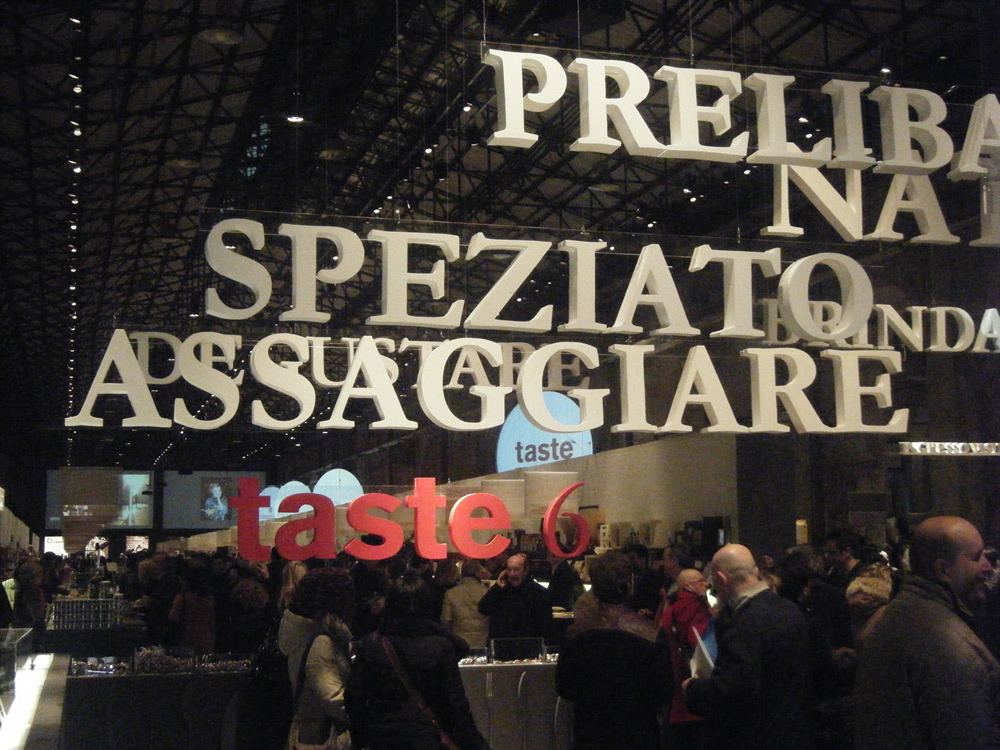 di Stefania Pianigiani – Qualcuno dirà la Leopolda che s’improfuma? Ma non siamo mica a settembre, nel periodo in cui “Fragranze”riempie con i suoi aromi le volte antiche della stazione Leopolda.
Tranquilli il profumo che si sentirà fra le volte il prossimo week end è il profumo di buono per le papille gustative perchè arriva “Taste” dal 9 all’11 marzo, il salone dell’enogastronomia affermato in pochi anni in tutto il mondo.
Non è facile trovare ogni anno gli ingredienti giusti per rendere un evento sempre un grande appuntamento. Diverso fra edizione ed edizione ma sempre attraente e ricco di curiosità e novità.
Il “Gastronauta Davide Paolini” pare avercela fatta però a Firenze con il suo Taste.
La grande vetrina delle eccellenze enogastronomiche italiane ad ogni edizione crea motivazioni importanti sia per le migliaia di visitatori che si aggirano per la struttura, sia per gli espositori. Una kermesse, che di edizione in edizione, si è consolidata nel panorama italiano e internazionale, acquisendo i connotati di manifestazione multi target, capace di valorizzare ogni eccellenza: dalla pasta alla birra in un unico mix.
La divisione in aree tematiche dei prodotti, permette di orientare e guidare il visitatore appassionato. Si va dal reparto dedicato ai salumi e ai formaggi alcuni quasi sconosciuti ai più, passando per pasta, salse e sughi, fino ad arrivare alle birre artigianali e a tutti i complementi dell’arte dolciaria. Un itinerario studiato nei minimi dettagli dall’antipasto al dessert che permette prima di degustare e infine di acquistare le specialità di nicchia direttamente dai produttori.
Alcune righe a parte merita “Fuori di Taste”, il circuito gastronomico che si svolge nei giorni della kermesse per le vie e i locali della città. Un intrigante percorso di cene, presentazioni di libri ed eventi. Non solo cibo quindi, ma fashion, arte e produzioni gastronomiche di alto pregio.
Taste è un grande contenitore di eventi, con un programma che prevede anche premi e iniziative speciali che contribuiscono ogni volta ad animare i tre giorni della manifestazione.
Da segnalare anche l’Arena, un’autentica fucina di idee dove grandi chef, produttori e esperti di settore danno vita a discussioni e dibattiti. Infine, da tenere ben d’occhio il padiglione laterale dedicato ai “complementi artistici”, ovvero tutto ciò che serve alla presentazione di un prodotto: da un piatto di design, a una tovaglia fatta a mano passando per installazioni a tema enogastronomico.
Taste n. 8
Stazione Leopolda, via F.lli Rosselli 5, Firenze
Orario: sabato 9 e domenica 10: dalle 9.30 alle 12.30 ingresso riservato agli operatori; dalle 12.30 alle 19.30 ingresso anche al pubblico. Lunedì dalle 9.30 – 16.30
Ingresso € 15 per il pubblico – ticket giornaliero
by Stefania how long does ativan stay in urine Pianigiani – Some will say that the Leopolda s’improfuma? But we’re not in September, at a time when “Fragrances” filled with scents, the ancient vaults of the Leopolda Station.
Tranquil scent that you feel between the times this weekend is the scent of good to the taste buds because it comes “Taste” from 9 to 11 March, the show enogastronomy said in a few years all over the world.
It is not easy to find the right ingredients each year to make an event is always a great event. Different between edition and edition but still attractive and full of curiosity and novelty.
The “Gastronaut Davide Paolini” but seems to have made it to Florence’s Taste.
The great Italian food and wine showcase of excellence in every edition creates motivation is important for the thousands of visitors who wander through the structure, both for exhibitors. An event that every edition, has established itself in the Italian and international scene, acquiring the characteristics of multi-target event, able to enhance every excellence: from pasta to beer in a unique mix.
The division into areas of products, allows you to direct and guide the visitor passionate. They range from department devoted to cold meats and cheese some almost unknown to most people, going for pasta, sauces, until you get to craft beers and all the complements of the confectionery. An itinerary studied in detail from appetizers to desserts that allows first to taste and finally to buy the specialty niche directly from producers.
Deserves a few lines in “Out of Taste”, the gastronomic circuit that takes place in the days of the event to the streets and bars of the city. An intriguing journey of dinners, book signings and events. Not only food then, but fashion, art and gastronomic products of high quality.
Taste is a large container of events, a program that also includes prizes and special initiatives that contribute to animate every time the three-day event.
Of note is the Arena, a real melting pot of ideas where chefs, producers and industry experts give rise to discussion and debate. Finally, to keep an eye on the well side pavilion dedicated to the “artistic additions,” or whatever it takes to the presentation of a product from a flat design, in a tablecloth handmade through installations themed food and wine.
Taste No. 8
Stazione Leopolda, Via Fratelli Rosselli 5, Florence
Opening hours: Saturday 9 and Sunday 10: from 9.30 to 12.30 entrance reserved for operators; from 12.30 to 19.30 entrance to the public. Monday from 9:30 to 16:30
Admission € 15 for the public – day ticket
Mar 4, 2013 | Arte e cultura, Siena
 di Simone Focardi – Dal 1° Marzo, l’Opera della Metropolitana con l’arrivo della Pasqua propone, in occasione dell’anno della fede “Resurrexi. Dalla Passione alla Resurrezione”, un itinerario tra i capolavori del Complesso monumentale del Duomo di Siena.
Un’esposizione di grande valore che racconta attraverso le preziose miniature che compongono i manoscritti su pergamena, le pitture a fresco e i dipinti su tavola, gli ultimi momenti della vita di Cristo articolati in un suggestivo percorso all’interno del complesso monumentale del Duomo di Siena.
L’itinerario si sviluppa principalmente in due sedi: nella Cripta, ambiente interamente affrescato e nel Museo dell’Opera istituito nel 1860 per conservare i capolavori provenienti dalla cattedrale.
Il ciclo figurativo che si dispiega lungo le pareti della Cripta annovera episodi del Vecchio e del Nuovo Testamento.
Di particolare rilievo le quattro grandi scene dipinte sulla parete di fondo con la Crocifissione, la Deposizione dalla croce, la Deposizione nel sepolcro e la Resurrezione dei morti, realizzate da un gruppo di artisti senesi della seconda metà del Duecento.
Nelle sale attigue all’ambiente affrescato, dove si ammirano parte delle antiche strutture della basilica riconducibili al periodo che va dal XII al XIV secolo, sono esposti alcuni codici miniati provenienti dalla cattedrale e appartenenti alla liturgia pasquale dove nell’incipit latino dell’antifona d’ingresso della messa di Pasqua, Resurrexi, et adhuc tecum sum.Alleluia (Sono risorto, sono sempre con te. Alleluia), il Cristo si identifica e si fa riconoscere, appunto, nella sua nuova condizione di Risorto.
Uscendo dalla Cripta e attraversando l’antico portale gotico del Duomo Nuovo, si giunge al Museo dell’Opera, dove, al primo piano di una sala climatizzata, è possibile ammirare le Storie della Passione dipinte da Duccio di Buoninsegna sul retro della grande pala d’altare con la Maestà realizzata per il Duomo di Siena tra il 1308 e il 1311.
La scena con l’Entrata di Cristo a Gerusalemme, narrata in tutti i Vangeli e profetizzata da Zaccaria (9, 9),da l’avvio a tutto il racconto delle storie della Passione.
A questa seguono venticinque episodi, dalla Lavanda dei Piedi, alla Cattura, dalle undici storie riguardanti il processo alla grande scena con la Crocifissione, dalla Deposizione dalla Croce alla poetica scena della Resurrezione, dove il Cristo viene solamente evocato. La scena infatti vede raffigurate le tre Marie che giunte al sepolcro troveranno ad accoglierle l’angelo che annuncia loro il grande evento.
Informazioni:
Cripta sotto il Duomo di Siena e Museo dell’Opera
dal 1° Marzo al 31 Agosto 2013
Orario: 10:30 – 19:00, ultimo ingresso 18:30
Biglietti: Opa Si Pass (biglietto cumulativo): € 12,00
Cattedrale e Libreria Piccolomini, Museo dell’Opera e Panorama dal Facciatone, Cripta sotto il Duomo, Battistero, Oratorio S. Bernardino
Nell’ambito della mostra sarà possibile prenotare visite guidate per adulti e bambini
Info e prenotazioni: 0577 286300 – opasiena@operalaboratori.com – www.operaduomo.siena.it
by Simone Focardi – From 1 March 2013 the Metropolitan Opera at the arrival of Easter offers, on the occasion of the faith what is the adverse reaction of ativan “Resurrexi. From Passion to the Resurrection “, a tour among the masterpieces of the monumental complex of the Cathedral of Siena.
An exhibition of great value that tells its story through the precious miniatures that make up the manuscripts on parchment, the frescoes and paintings on wood, the last moments of the life of Christ, divided into a fascinating journey inside the monumental complex of the Cathedral of Siena .
The itinerary is developed mainly in two places: in the Crypt, frescoed environment and in the Museum of the Opera was established in 1860 to preserve the masterpieces from the cathedral.
The figurative cycle that unfolds along the walls of the crypt includes stories from the Old and New Testaments.
Particularly important are the four great scenes painted on the wall of the Crucifixion, the Deposition from the Cross, the Deposition in the tomb and the resurrection of the dead, carried out by a group of Sienese artists of the second half of the thirteenth century.
In adjacent rooms frescoed environment, where you can admire some of the ancient structures of the church related to the period from the twelfth to the fourteenth century, are on display illuminated manuscripts from the cathedral and belonging to the Easter liturgy where the incipit of Latin incipit ‘entrance to the Easter Mass, Resurrexi, et adhuc tecum sum. Hallelujah (I have risen, I am still with you. Alleluia), Christ identifies himself and makes himself known, in fact, in his new risen state.
Leaving the Crypt and through the old Gothic portal of the New Cathedral, we arrive at the Museum of the Opera, where, on the first floor of an air conditioned room, you can admire the Stories of the Passion painted by Duccio on the back of the great altarpiece ‘altar with the Majesty made for the Cathedral of Siena between 1308 and 1311.
The scene with the Entry of Christ into Jerusalem, as told in the Gospels and prophesied by Zechariah (9, 9), from the start to the whole story of the Passion stories.
This was followed by twenty-five episodes, by the washing of the feet, to capture, from eleven stories about the trial of the great scene of the Crucifixion, the Deposition from the Cross to the poetry scene of the Resurrection, in which Christ is only mentioned. The scene depicted in fact, sees the three Marys who will come to the tomb to receive them the angel who tells them the big event.
Information:
Crypt under the cathedral of Siena and the Museum of the Opera
from 1 March to 31 August 2013
Hours: 10:30 to 19:00, last entry 18:30
Tickets: Opa The Pass (ticket): € 12.00
Cathedral and Piccolomini Library, and Museum of Panorama from Facciatone, crypt under the cathedral, baptistery, Oratorio S. Bernardino
The exhibition will be able to book tours for adults and children
Info and bookings: 0577 286300 – opasiena@operalaboratori.com – www.operaduomo.siena.it
Mar 4, 2013 | Arte e cultura, Firenze
 di Filippo Giovannelli – Anna Maria Luisa, figlia di Cosimo III de’ Medici e di Margherita-Luisa d’Orléans, nacque a Firenze l’11 Agosto del 1667, era la seconda di tre fratelli: Ferdinando (1663) e Gian Gastone (1671).
L’infanzia di Anna Maria Luisa, fu segnata dai frequenti litigi fra il padre, un uomo tetro, silenzioso e profondamente religioso, e la madre, una donna vivace e scherzosa, che detestava il marito e la vita a Firenze, e che nel 1674 lasciò la Toscana per ritirarsi in un convento di Montmartre.
Il granduca Cosimo III, il cui cattolicesimo era diventato sempre più rigido, impose una serie di restrizioni e di regole mirate a bandire l’immoralità e le eresie, oltre ad opprimere la città con le sue pesanti tasse e altri provvedimenti finanziari.
Il primogenito Ferdinando era diventato un giovane attraente, brillante e intelligente; il Granduca decise di farlo sposare al più presto: la dinastia aveva bisogno di un erede.
Sfortunatamente la moglie scelta per lui, la principessa Violante Beatrice di Baviera, era una giovane scialba ed emotiva.
Lui praticamente la ignorava, e lei, in ogni caso, era sterile. Un giorno Ferdinando partì per Venezia, dove contrasse la sifilide da una dama di nobile famiglia.
Poiché non ci si poteva aspettare un erede da Ferdinando, il Granduca Cosimo concentrò la sua attenzione sul secondogenito Gian Gastone.
Quest’ultimo, di tendenze omosessuali ancora più forti di quelle del fratello, passava la maggior parte del tempo da solo, dedicandosi a studi di botanica o all’apprendimento di lingue straniere.
Si sposò con la figlia del duca di Sassonia-Lauenberg e vedova del conte palatino Filippo di Neuburg, una donna di una bruttezza veramente eccezionale, litigiosa ed assolutamente priva di attrattiva.
La moglie lo trascinò nel villaggio di Reichstadt, vicino Praga, ma il luogo e la donna disgustavano Gian Gastone. Il loro rapporto si fece rigido e distante ed i due non ebbero mai figli.
Cosimo III aveva fatto abbandonare il cappello cardinalizio al fratello minore Francesco Maria, maritato ad una giovanissima principessa (Eleonora Gonzaga) nella vana speranza di avere un erede legittimo, ma anche in questo caso non si ebbe un erede.
Quindi, entrambi i fratelli di Anna Maria Luisa dimostrarono scarsa attitudine alle responsabilità di governo e poca responsabilità nei confronti della casata Medicea.
Anna Maria era una ragazza alta, bruna, con una voce mascolina e una risata sonora; Guglielmo, l’Elettore Palatino, la sposò a Innsbruck, e subito dopo le trasmise una malattia venerea: tale malattia fu ritenuta responsabile degli aborti che angustiarono la sua giovinezza.
Visse ad Innsbruck fino alla morte del marito avvenuta nel 1716, poi tornò a Firenze.
Nel 1723 morì Cosimo III e nel 1737 Gian Gastone. Ferdinando era morto già diversi anni prima del padre, quindi Anna Maria Luisa era rimasta l’ultima dei Medici, e ne era sempre ben consapevole. Alla sua morte la Toscana sarebbe passata sotto il dominio dei Lorena, nella persona del duca Francesco, marito di Maria Teresa d’Austria.
Alla morte del fratello Gian Gastone nel 1737 il rappresentante lorenese Principe di Craon offrì ad Anna Maria Luisa la reggenza del Granducato in nome di Francesco Stefano di Lorena, nuovo sovrano, ma la principessa declinò l’offerta, pur rimanendo a vivere in Palazzo Pitti e dedicandosi alla sua passione per l’arte e l’antiquariato.
Fu proprio questa passione a farle compiere il gesto per cui è rimasta famosa e che fu la vera fortuna di Firenze: nel 1737 Anna Maria Luisa stipulò con la nuova dinastia regnante il cosiddetto “Patto di Famiglia” che stabiliva che i Lorena non potessero trasportare
“o levare fuori della Capitale e dello Stato del GranDucato … Gallerie, Quadri, Statue, Biblioteche, Gioje ed altre cose preziose… della successione del Serenissimo GranDuca, affinché esse rimanessero per ornamento dello Stato, per utilità del Pubblico e per attirare la curiosità dei Forestieri”.
Con questo patto Anna Maria Luisa permise che Firenze non perdesse nessuna opera d’arte e che non subisse la sorte di Urbino, che all’estinzione della casata dei Della Rovere era stata letteralmente svuotata dei suoi tesori artistici.
Gesto ancora più lungimirante fu il porre particolare attenzione alla frase “per attirare la curiosità dei Forestieri”.
Da questo si vede la grande levatura culturale di Anna Maria, il grande spirito di conservazione ma anche il lungimirante prevedere che la bellezza delle opere poteva essere goduta anche da altri, prevedendo un turismo che allora era solo un’idea.
L’Amministrazione comunale ha inserito questa ricorrenza come festa ufficiale del Comune di Firenze insieme a altre feste e ricorrenze tradizionali che si svolgono in città. La ricorrenza della morte di Anna Maria Luisa (o Ludovica) de’ Medici – Firenze, 18 febbraio 1743 viene ogni anno commemorata. L’iniziativa voluta da un gruppo di storici e di studiosi, alle Tradizioni Popolari Fiorentine del Comune di Firenze ormai da vari anni.
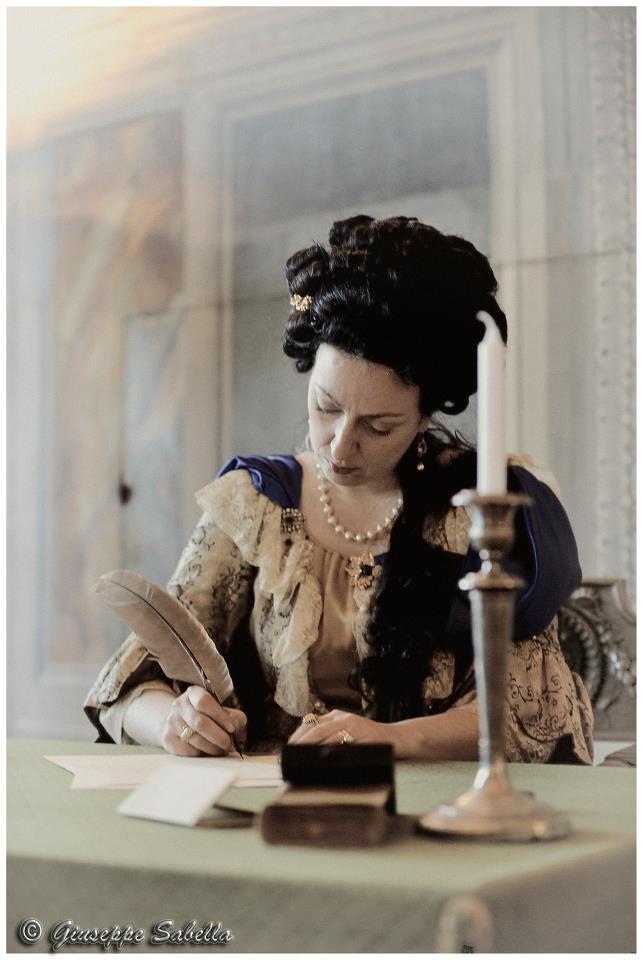
Allo stesso modo da qualche anno, proprio in Palazzo Vecchio viene riproposta una rappresentazione teatralizzata dell’Ultima dei Medici. Nella foto a margine (Giuseppe Sabella), un’attrice ricorda in modo esemplare il gesto della firma del Patto di Famiglia nelle vesti della triste e lungimirante principessa.
foto: Giuseppe Sabellaby Filippo Giovannelli – Anna Maria Luisa, the daughter of Cosimo III de ‘Medici and Marguerite-Louise d’Orléans, was born in Florence on August 11, 1667, was the second of three brothers: Ferdinand (1663) and Gian Gastone (1671).
The children of Anna Maria Luisa, was marked by frequent quarrels between the father, a grim, silent and deeply religious, and his mother, a woman lively and playful, who hated her husband and lives in Florence, and in 1674 left Tuscany to retire to a convent of Montmartre.
The Grand Duke Cosimo III, whose Catholicism had become increasingly rigid, imposed a number of restrictions and rules aimed at banning the immorality and heresies, and to oppress the city with its heavy taxes and other financial measures.
The eldest son Ferdinand had become an attractive young, bright and intelligent, and the Grand Duke had him marry as soon as possible: the dynasty was in need of an heir.
Unfortunately, the wife chosen for him, Princess Violante Beatrice of Bavaria, was a pale young and emotional.
He practically ignored her, and she, in any case, was barren. One day, Ferdinand departed for Venice, where he contracted syphilis from a lady of noble family. Because you could not wait for an heir of Ferdinand, Grand Duke Cosimo focused his attention on the second Gian Gastone.
The latter, with homosexual tendencies even stronger than those of his brother, he spent most of his time alone, dedicating research in botany or the learning of foreign languages. He married the daughter of the Duke of Saxe-Lauenberg and widow of Philip Count Palatine of Neuburg, a woman of a truly exceptional ugliness, quarrelsome and absolutely lacking in attractiveness.
His wife dragged him in the village of Reichstadt, near Prague, but the place and the woman disgusted Gian Gastone. Their relationship became stiff and distant, and the two never had children.
Cosimo III had to abandon the cardinal’s hat to his younger brother Francesco Maria, married to a young princess (Eleonora Gonzaga) in the vain hope of having an heir apparent, but in this case there was not an heir. So, both brothers of Anna Maria Luisa showed poor attitude to the responsibilities of government and little responsibility towards the Medici dynasty.
Anna Maria was a tall, dark, with a masculine voice and a loud laugh; Wilhelm, Elector Palatine, married in Innsbruck, and soon after passed a venereal disease: the disease was thought to be responsible for the abortions that angustiarono its youth. He lived in Innsbruck until the husband’s death in 1716, then returned to Florence.
In 1723 Cosimo III died in 1737 and Gian Gastone. Ferdinand had died several years before his father, and Anna Maria Luisa de ‘Medici had been the last, and I was always well aware of. At his death, Tuscany would pass under the dominion of Lorraine, in the person of Duke Francis, husband of Maria Theresa of Austria.
On the death of his brother Gian Gastone in 1737 the Prince of Lorraine representative Craon offered to Anna Maria Luisa the regency of the Grand Duchy in the name of Francis Stephen of Lorraine, the new sovereign, but the princess declined, but remained to live in the Palazzo Pitti and devoting himself to his passion for art and antiques.
It was this passion in them to make the gesture that has remained popular and that was the real fortune of Florence in 1737 Anna Maria Luisa stipulated by the new ruling dynasty known as the “Family Compact”, which stated that the Lorraine could not carry
“Or raise outside capital and the rule of the Grand Duchy … Galleries, Paintings, Statues, Libraries, jewels and other precious things … the succession of the Most Serene Grand Duke, so that they remain for the ornament of State for Public utilities and attract the curiosity of Foreigners “.
With this pact Anna Maria Luisa allowed that Florence did not lose any work of art and does not suffer the fate of Urbino, that the extinction of the house of Della Rovere was literally emptied of its treasures. Even more far-sighted gesture was to pay particular attention to the phrase “to attract the curiosity of Foreigners”.
From this we see the cultural stature of Anna Maria, the great spirit of conservation but also the far-sighted provide that the beauty of the works could be enjoyed by others, providing a tourist who was then just an idea.
The municipal government has entered this event as an official holiday of the City of Florence along with other traditional festivals and celebrations that take place in the city. The anniversary of the death of Anna Maria Luisa (or Ludovica) de ‘Medici – Florence, February 18, 1743 is commemorated every year. The initiative launched by a group of historians and scholars, the Traditions of the Florentine Commune of Florence several years ago.
Similarly for some years, in Palazzo Vecchio is revived a dramatized representation of the Last of the Medici. In the photo on the sidelines (Joseph Sabella), an actress recalls in an exemplary manner the act of signing the Covenant Family in the role of the sad and forward-looking princess.
photo: Giuseppe Sabella
Feb 21, 2013 | Arte e cultura, Prato
 di redazione – Il 23 e 24 febbraio al Teatro Politeama Pratese l’appuntamento da non perdere è con Raffaele Paganini che interpreterà La vera storia di Zorba il greco. La matura esperienza artistica della grande étoile si fonde con una figura di eroe leggendario, per riversare sul palcoscenico la profondità di questo incontro.
Zorba è un uomo che, alle soglie del matrimonio, viene assalito da dubbi e da timori e che inaspettatamente si allontana dalla sua amata e dalla sua terra, la Grecia, per iniziare un viaggio sia attraverso il mondo, sia attraverso se stesso.
Lo spettacolo è dunque la storia di vagabondaggi, di terre lontane, di variegate atmosfere… checondurranno il protagonista a vivere sconosciute esperienze di vita tra sogni, speranze, delusioni, dolori, e forti sentimenti d’amore e di amicizia.
Il coreografo Luigi Martelletta punta il riflettore sull’essenza intima dell’eroe e sulla maturità artistica di Paganini, facendo combaciare perfettamente le esperienze del ballerino con quelle del suo personaggio.
La scenografia e i costumi fanno assaporare i colori e le culture dei popoli che via via si susseguono nei vari quadri, mentre le musiche originali di Marco Schiavoni, unite a quelle tradizionali della cultura greca, valorizzano l’aspetto leggendario ed epico che questa storia porta con sé.
La conclusione del balletto culminerà infatti con il leggendario Sirtaki, che i greci ritengono vada ballato scalzi, sulla spiaggia deserta, per sentire le pulsazioni della terra per ricucire cielo e terra attraverso il corpo, attraverso la danza.
Prezzi biglietti
Poltrona I° Settore € 22,00 + € 2,00 Dir. Prev. *Ridotto € 20,00 + € 2,00 Dir. Prev.
Poltrona II° Settore € 20,00 + € 2,00 Dir. Prev. *Ridotto € 18,00 + € 2,00 Dir. Prev.
Galleria € 18,00 + € 2,00 Dir. Prev. *Ridotto € 16,00 + € 2,00 Dir. Prev.
Orari della biglietteria:
dal martedì al sabato: dalle 10.30 alle 12.30 e dalle 17.00 alle 19.30 ½ ora prima dell’orario d’inizio degli spettacoli (vedi programma). Chiuso il lunedì (salvo eccezioni che saranno comunicate)
Per informazioni e prevendita:
Circuito regionale box office Teatro Politeama Pratese
Via G. Garibaldi 33 – PRATO – Tel. 0574/603758 Fax 0574/445580
e-mail: teatro@politeamapratese.com – www.politeamapratese.com
by viagra pharmacy redaction – On 23 and 24 February at the Teatro Politeama Pratese the appointment is with Raffaele Paganini who will play The true story of Zorba the greek. The mature artistic experience of the great étoile merges with the figure of a legendary hero, to pour out on stage the depth of this meeting.
Zorba is a man who, on the threshold of marriage, he was assailed by doubts and fears, and unexpectedly turns away from his beloved and from his country, Greece, is to begin a journey through the world and through himself. The show is so the story of wandering, of distant lands, of varied atmospheres … checondurranno the protagonist to live unknown life experiences of dreams, hopes, disappointments, pain, and strong feelings of love and friendship.
The choreographer Louis Martelletta shines the spotlight intimate essence of the hero and the artistic maturity of Paganini, matching perfectly the experience of the dancer with those of his character.
The setting and icostumi do enjoy the colors and cultures of the peoples who gradually follow in the various paintings, and original music by Marco Schiavoni, together with those of traditional Greek culture, enhance its appearance, legendary and epic story that brings with itself.
The conclusion of the ballet culminates with the legendary Sirtaki in fact, that the Greeks believe should be danced barefoot on the deserted beach, to feel the pulse of the earth to heal heaven and earth through the body, through dance.
Ticket Prices
The Armchair ° Sector € 22.00 + € 2.00 Dir Prev * Reduced € 20.00 + € 2.00 Dir Prev
Armchair II Sector € 20.00 + € 2.00 Dir Prev * Reduced € 18.00 + € 2.00 Dir Prev
Gallery € 18.00 + € 2.00 Dir Prev * Reduced € 16.00 + € 2.00 Dir Prev
Ticket Time:
Tuesday to Saturday: from 10.30 to 12.30 and from 17.00 to 19.30 ½ hour primadell’orario start of the shows (see program). Closed on Mondays (except where that will be communicated)
For information and bookings:
Regional circuit box office Theatre Politeama Pratese
Via G. Garibaldi 33 – PRATO – Tel. 0574/603758 Fax 0574/445580
e-mail: teatro@politeamapratese.com – www.politeamapratese.com
Feb 21, 2013 | Enogastronomia, Firenze
 di Nadia Fondelli – Fermento Birra, network dedicato alla birra di qualità, organizza a Firenze due corsi di differente livello per tutti gli appassionati.
Il primo, con inizio a marzo, sarà dedicato a chi vuole muovere i primi passi nell’affascinante mondo della birra, mentre il secondo, di livello avanzato con inizio ad aprile, sarà un percorso strutturato di ben nove lezioni che coinvolgerà docenti di caratura nazionale e avrà l’obiettivo dichiarato di approfondire i principali temi legati alla degustazione, agli stili e all’abbinamento con il cibo.
Birra, che passione! (corso di I livello)
Tre incontri per approfondire la conoscenza, attraverso lezioni teoriche e di assaggio di una bevanda tanto amata quanto ancora poco apprezzata.
Un corso per imparare a degustare, conoscere la storia e la produzione, sfatare alcuni falsi miti e soprattutto scoprire quanto vasto e variegato sia il pianeta birra.
Saranno raccontati e degustati i principali stili birrari, dalle chiare pils, alle stout irlandesi, dalle belghe d’abbazia e trappiste alle weizen tedesche, fino ad arrivare alle originali produzioni artigianali italiane e alle tipologie meno conosciute come i lambic.
Per partecipare al corso non sono richieste specifiche qualifiche o competenze circa la degustazione, essendo le lezioni destinate a chiunque voglia muovere i primi passi nel mondo della birra di qualità.
Obiettivi: acquisire gli strumenti fondamentali per una corretta degustazione, conoscere le principali nozioni e comprendere quanto vasto e variegato sia il mondo delle birre di qualità (anche attraverso gli assaggi guidati)
Ogni lezione di due ore sarà suddivisa in una parte teorica e una parte pratica di degustazione.
Ai partecipanti sarà rilasciato attestato di partecipazione, un set di bicchieri da degustazione e dispense sugli argomenti trattati.
quando: martedì 12, 19, 26 marzo 2013
orario: 21.00-23.00
dove: Firenze – Viale Donato Giannotti, 13 presso il circolo delle Vie Nuove (facilità di parcheggio per pulizia strade)
costo:70 euro. Metodo pagamento: Bonifico bancario
docente: Nicola Utzeri, direttore della rivista Fermento Birra Magazine
Programma
PRIMA LEZIONE
Che cos’è la birra? Gli ingredienti: acqua, malto, lieviti e luppolo.
Come si degusta una birra? Colore, schiuma, olfatto, gusto e retrogusto.
Degustazione guidata di 4 birre.
SECONDA LEZIONE
La produzione della birra.Conservazione, il servizio e i bicchieri della birra.
La birra artigianale e il fenomeno birra artigianale italiana.
Conosciamo le birre ad alta fermentazione. Gli stili inglesi e statunitensi.
Degustazione guidata di 4 birre.
TERZA LEZIONE
Storia della birra: dall’antichità ad oggi.
La bassa fermentazione: caratteristiche e storia. Le birre tedesche.
Le birre belghe. Le birre d’abbazia e le trappiste.
Le birre a fermentazione spontanea: il lambic.
Curiosità e miti da sfatare.
Degustazione guidata di 4 birre.
Corso avanzato per degustatori di birra (II livello)
Un corso avanzato per diventare degustatori di birra dedicato a chi vuole intraprendere un percorso professionale di formazione, o semplicemente a chi, appassionato, desidera sapere tutto su come assaggiare in maniera consapevole l’amata bevanda.
Il corso sarà composto da nove incontri di altissimo livello per affrontare in maniera completa la valutazione, la degustazione, descrivere pregi e difetti di una birra, conoscere gli stili e apprendere i segreti per un corretto abbinamento tra birra e cibo.
La novità principale, rispetto ai corsi già realizzati in città, sarà il grado di approfondimento e l’esaustività degli argomenti trattati, oltre la caratura dei docenti coinvolti.
Saranno chiamati a condurre le lezioni esperti dall’indiscusso valore come Lorenzo Dabove (Kuaska) scrittore e degustatore nei principali concorsi internazionali, Luca Giaccone, docente e curatore della Guida alle birre d’Italia di SlowFood, Alberto Laschi, blogger e docente affermato, Flavio Boero, responsabile qualità della Carlsberg Italia, Luigi d’Amelio, birraio e giudice in concorsi nazionali, Agostino Arioli, birraio dello “storico” Birrificio Italiano, Giovanni Campari, birraio del pluripremiato Birrificio del Ducato e ancora Nicola Utzeri, direttore della rivista Fermento Birra Magazine.
Ogni lezione sarà suddivisa tra teoria e assaggi guidati (orario 20.30-23). Ai corsisti saranno rilasciate dispense, un set di bicchieri da degustazione, oltre l’attestato di partecipazione.
Quando: lunedì 8,15,22,29 aprile, lunedì 6,13,20, 27 maggio, e lunedì 3 giugno 2013
Orario: dalle 20.30 alle 23
Dove: Beer House Club, Corso dei Tintori, 34/r (la birreria rimarrà chiusa durante le ore di lezione)
Costo: 330 euro. Modalità di pagamento: acconto di 80 euro tramite bonifico bancario, saldo alla prima lezione (possibilità di rateizzare il pagamento in due tranche).
Posti disponibili max 30. La quota comprende dispense, bicchieri da degustazione e attestato di partecipazione.
Calendario lezioni corso avanzato
Lunedì 8 aprile dalle 20.30 alle 23.00
Docente: Lorenzo “Kuaska” Dabove, giudice internazionale e autore di libri
Degustare una birra. Tecniche di degustazione. Introduzione all’utilizzo della ruota di Meilgaard. Guida alla compilazione di una scheda di degustazione. Degustazione guidata.
Lunedì 15 aprile dalle 20.30 alle 23.00
Docente: Andrea Camaschella, docente e giudice
Degustare una birra (II parte). Soglie di percezione gustativa. Riconoscere i sapori fondamentali. Come i fattori ambientali e psicologici influenzano la degustazione. Degustazione guidata.
Lunedì 22 aprile dalle 20.30 alle 23.00
Docente: Agostino Arioli, birraio del Birrificio Italiano di Limido Comasco (CO)
Le materie prime. Il rapporto tra materie prime e l’analisi sensoriale. Degustazione guidata.
Lunedì 29 aprile dalle 20.30 alle 23.00
Docente: Flavio Boero, responsabile qualità della Carlsberg Italia
I principali difetti della birra. Riconoscere i difetti (saranno fatti annusare campioni di birra difettata). Degustazione guidata.
Lunedì 6 maggio dalle 20.30 alle 23.00
Docente: Alberto Laschi, blogger, giudice e docente
Gli stili: il Belgio. Storia, tradizione, nuove tendenze e tipologie. Degustazione guidata.
Lunedì 13 maggio dalle 20.30 alle 23.00
Docente: Luca Giaccone docente, giudice e curatore della Guida alle birre d’Italia di SlowFood
Gli stili: Regno Unito/Stati Uniti. Storia, tradizione e tipologie. Degustazione guidata.
Lunedì 20 maggio dalle 20.30 alle 23.00
Docente: Giovanni Campari, birraio del Birrificio del Ducato di Roncole Verdi di Busseto (PR)
Gli Stili: Germania/Repubblica Ceca. Storia, tradizione, nuove tendenze e tipologie. Degustazione guidata.
Lunedì 27 maggio dalle 20.30 alle 23.00
Docente: Nicola Utzeri, direttore editoriale di Fermento Birra Magazine affiancato da alcuni rinomati birrai italiani.
Il fenomeno della birra artigianale italiana: storia, stili, nuove tendenze.
Lunedì 3 giugno dalle 20.30 alle 23.00
Docente: Luigi D’Amelio, birraio del birrificio Extraomnes di Marnate (VA), sommelier e giudice in concorsi nazionali
Abbinamento birra-cibo. Le principali teorie di abbinamento. Come si abbina una birra al cibo. Compilazione di una scheda di abbinamento. Degustazione e abbinamento guidato di birre con cibo.
Potete trovare il corso su facebook alla pagina https://www.facebook.com/events/267602360039192/
Per informazioni: Fermento Birra www.fermentobirra.com – info@fermentobirra.com – Cell 328.7184021by Nadia Fondelli – Ferment beer, a network dedicated to quality beer, organized in Florence two courses at different levels for all fans.
The first, beginning in March, will be dedicated to those who want to take their first steps in the world of beer, while the second, advanced level beginning in April, will be a structured course of nine lessons that involve teachers-class national and has the stated aim to deepen the main issues related to the tasting, styles, and pairing with food.
Beer, what a passion! (Level I course)
Three meetings to deepen their knowledge through lectures and tasting of a drink beloved as yet little appreciated.
A course to learn to taste, learn about the history and production, dispel some myths and above all discover how vast and varied is the planet beer.
They will be told and tasted the major beer styles, with clear pils, the Irish stout, the Belgian Trappist abbey and the German weizen, up to the original Italian handicraft production and less well-known types such as lambic.
Before attending this course are not required specific qualifications or skills about the tasting, as lessons for anyone who wants to take their first steps into the world of quality beer.
Objectives: To acquire the basic tools for a proper tasting, learn the main concepts and understand the vast and varied is the world of quality beers (including through guided tastings)
Each two-hour class will be divided into a theoretical part and a practical part of tasting.
Participants will be issued a certificate of participation, a set of wine glasses and handouts on the topics covered.
When: Tuesday, 12, 19, 26 March 2013
time: 21:00 to 23:00
where: Florence – Via Donato Giannotti, 13 at the circle of New Ways (easy parking for street cleaning)
Cost: 70 euro. Payment Method: Bank transfer
Teacher: Nicola Utzeri, editor of Beer Ferment Magazine
Program
FIRST LESSON
What is beer? The ingredients: water, malt, yeast and hops.
How to taste a beer? Color, foam, smell, taste and aftertaste.
Guided tasting of four beers.
SECOND LESSON
The production of birra.Conservazione, service and glasses of beer.
The craft beer and the phenomenon of Italian craft beer.
We know the ales. British and American styles.
Guided tasting of four beers.
THIRD LESSON
History of beer from ancient times to today.
The low fermentation characteristics and history. German beers.
Belgian beers. The abbey beers and Trappist.
Beers spontaneous fermentation the lambic.
Curiosity and myths to debunk.
Guided tasting of four beers.
An advanced course to become tasters of beer for those who want to embark on a career of training, or simply those who, passionate, want to know everything about how to taste in a conscious way the beloved beverage.
The course will consist of nine meetings at the highest level to address in a comprehensive assessment, tasting, describing strengths and weaknesses of a beer, get to know the styles and learn the secrets to a correct match between beer and food.
The main novelty compared to courses already completed in the city, will be the level of detail and comprehensiveness of the topics covered, as well as the caliber of the teachers involved.
Will be asked to conduct lessons undisputed experts value as Lorenzo Dabove (Kuaska) writer and taster in major international competitions, Luke Giaccone, teacher and curator of the guide to the beers of Italy Slow Food, Alberto Laschi, blogger and lecturer said, Flavio Boero, quality manager of Carlsberg Italy, Luigi D’Amelio, brewer and judge competitions, Agostino Arioli, brewer of the “historical” Brewery Italian, Giovanni Campari, brewer of award-winning Brewery of the Duchy and still Utzeri Nicola, editor of Beer Yeast Magazine.
Each class will be divided between theory and guided tastings (time 20.30-23). The students will be given handouts, a set of wine glasses, as well as a certificate of participation.
When: Monday 8,15,22,29 April 6,13,20 Monday, May 27, and Monday, June 3, 2013
Time: from 20.30 to 23
Where: Beer Club House, Corso dei Tintori, 34 / r (the brewery will be closed during school hours)
Cost: 330 euro. Mode of payment: advance payment of 80 € by bank transfer, balance the first lesson (possibility to pay in installments the payment in two installments).
Max 30 places available. The fee includes handouts, tasting glasses and certificate of participation.
Calendar lessons advanced course
Monday, April 8th from 20:30 to 23:00
Teacher: Lorenzo “Kuaska” Dabove, international judge and author of books
Enjoy a beer. Tasting techniques. Introduction to the use of the wheel Meilgaard. Guide to the compilation of a tasting. Guided tasting.
Monday, April 15 from 20:30 to 23:00
Teacher: Andrea Camaschella, teacher and judge
Enjoy a beer (part II). Thresholds of taste perception. Recognize the basic tastes. Such as environmental and psychological factors influencing the tasting. Guided tasting.
Monday, April 22 from 20:30 to 23:00
Teacher: Agostino Arioli, brewer of the brewery the Italian Limido Comasco (CO)
Raw materials. The relationship between raw materials and sensory analysis. Guided tasting.
Monday, April 29 from 20:30 to 23:00
Teacher: Flavio Boero, quality manager of Carlsberg Italy
The main shortcomings of beer. Recognize defects (smell beer samples will be made faulty). Guided tasting.
Monday, May 6 from 20:30 to 23:00
Teacher: Alberto Laschi, blogger, judge and teacher
Styles: Belgium. History, tradition, new trends and typologies. Guided tasting.
Monday, May 13th from 20:30 to 23:00
Teacher: Luca Jacket teacher, judge and editor of the Guide to the beers of Italy SlowFood
Styles: UK / U.S.. History, tradition and types. Guided tasting.
Monday, May 20th from 20:30 to 23:00
Professor: Campari, brewer’s Brewery of the Duchy of Roncole Verdi Busseto (PR)
Styles: Germany / Czech Republic History, tradition, new trends and typologies. Guided tasting.
Monday, May 27th from 20:30 to 23:00
Teacher: Nicola Utzeri, editor of Beer Ferment Magazine joined by some famous Italian brewers.
The phenomenon of Italian craft beer history, styles and trends.
Monday, June 3rd from 20:30 to 23:00
Lecturer: Louis D’Amelio, brewer of the brewery Extraomnes Marnate (VA), sommelier and a judge in national competitions
Beer-food pairing. The main theories of matching. How do you match a beer to food. Compilation of a pairing. Guided tasting and pairing beers with food.
You can find the course on the facebook page https://www.facebook.com/events/267602360039192/
For more information: Ferment Beer www.fermentobirra.com – info@fermentobirra.com – Cell 328.7184021
Feb 20, 2013 | Da non perdere, Lucca
 di Stefania Pianigiani – Il viiaggiatore della Toscana non deve mancare assolutamente di visitare le splendide, eleganti ville della Lucchesia, famose in tuto il mondo
In primavera, sabato 6 aprile, quando gli odori dei fiori e dei prati iniziano a farsi sentire c’è un’ottima opportunità per scoprire queste meraviglie nel verde; visitarle nell’ambito del programma di corsi amatoriali e delle conferenze tenute dalla prestigiosa Società Toscana di Orticoltura. Un giorno di lezione nel verde con visita dei giardini di Villa Reale di Marlia e Villa Torrigiani.
La partenza è da Firenze, sede della prestigiosa istituzione e comprende lo spostamento in pulmann, il pranzo al ristorante, il biglietto d’ingresso, la lezione paesaggistica ed una piccola brochure con la storia e le mappe dei giardini.
Per informazioni e prenotazioni: www.societatoscanaorticoltura.it
by Stefania generic viagra sale Pianigiani – The traveler in Tuscany absolutely should not miss visiting the beautiful, elegant villas of Lucca suurrounded, famous in a world wide.
In the spring, Saturday April th6, when the smells of flowers and meadows begin to be felt, there is a great opportunity to discover these wonders in green; visit them as part of the program of amateur courses and lectures from the prestigious Tuscan Society of Horticulture.
A day of lessons in the green and visit the gardens of Villa Marlia and Villa Torrigiani.
Departure is from Florence, home of the prestigious institution and involves moving by bus, lunch at the restaurant, the ticket, the lesson landscape and a small brochure with the history and maps of the gardens.
For information and reservations: www.societatoscanaorticoltura.it
