Dic 14, 2012 | Enogastronomia, Mugello | Val di Sieve
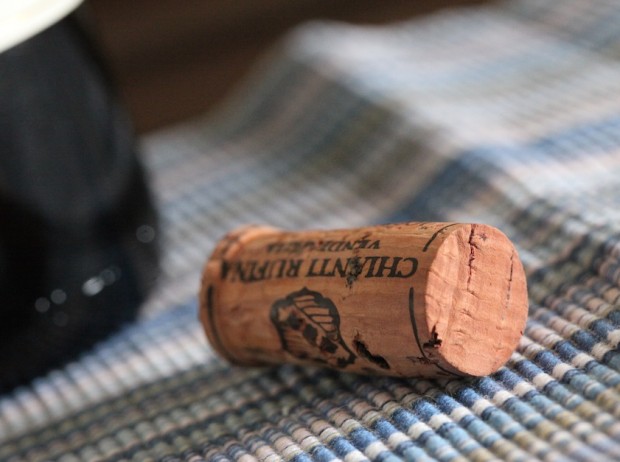 di Marco Gemelli – Il clima pazzo degli ultimi anni scherza col vino toscano. Due inverni oscillanti e due estati secche hanno fatto sì che, una zona enologicamente e geograficamente fredda per il vino come Chianti Rufina abbia prodotto vini molto alcolici.
E’ questo uno degli aspetti più interessanti emersi nel corso dell’incontro organizzato nei giorni scorsi dal Consorzio Chianti Rufina DOCG per degustare i vini delle 22 cantine della denominazione.
Il presidente Lorenzo Mariani ha spiegato che negli ultimi due anni le condizioni climatiche della zona – che non a caso si chiama “La più alta del Chianti” – hanno portato alla “nascita” di vini piuttosto alcolici (fino a 15 gradi), molto al di sopra della media, tanto che, in futuro molti produttori stanno pensando di modificare l’esposizione dei vigneti. Diverse aziende stanno conducendo un reimpianto dei vigneti e quindi la possibilità in futuro di cambiare l’angolo d’esposizione è abbastanza reale.
Novità in vista anche in termini di quantità del vino che esce dalle cantine: le ultime innovazioni richieste dalla UE garantiranno entro i prossimi sei anni rendimenti fino a 90 ettolitri per ettaro. D’altra parte, le condizioni climatiche degli ultimi anni continuano a spingere verso una riduzione della produzione, migliorando così la qualità.
Il Chianti Rufina DOCG è uno dei vini più importanti della Toscana che si sviluppa interamente nella provincia di Firenze e distribuito nei comuni di Pontassieve, Rufina, Londa, Pelago e Dicomano.
La prima documentazione scritta del vino Rufina riporta ai primi anni del Quattrocento. Nel XVIII secolo, con l’Editto del Granduca di Toscana, arrivò il riconoscimento ufficiale e Cosimo III classificò il vino prodotto in questa zona, tra i “top four” della Toscana.
Rufina è la più piccola delle sette sottocategorie del Chianti occupando una superficie di appena 12.483 ettari totali, con una produzione di circa 27.000 ettolitri l’anno.
La struttura geologica del terreno e l’esposizione al sole nel sud delle alte colline (che permette alle uve di raggiungere una maturazione ottimale) generano un microclima con alte temperature diurne e fresco nelle notti d’estate che contribuisce al mantenimento di note aromatiche.
Il risultato è un vino elegante con una forte personalità, un profumo di complesso bouquet di frutti di bosco e spezie. Un vino dalla longevità unica (attestata alcune riserve di vigneti particolari, anche oltre trenta anni).
by Marco Gemelli – Weather’s jokes, for Tuscan wine: two swinging winters and two dry summers HCG have meant that a wine region geographically cold as Chianti Rufina has produced very alcoholic wines. It’s one among the main issues raised at the meeting organized by the consortium Chianti Rufina DOCG to taste the wines of the 22 wineries represented. President Lorenzo Mariani explained that over the past two years the weather conditions of the area – which not coincidentally is called “The highest Chianti” – have led to pretty alcoholic wines (up to 15 degrees), far above the average. So much so that, in the future, in the territory of Rufina many producers are thinking of changing the exposure of the vineyards: since different companies are assuming, or even conducting a replanting of the vineyards, the possibility to change angle seems quite real.
News in view also in terms of the quantity of wine that come out from the cellars: the latest innovations requested by the EU will ensure that within the next six years the yields of Chianti Rufina DOCG arrive at 90 hectoliters per hectare. On the other hand, the weather conditions of recent years continue to push towards a reduction in production, thereby improving quality.
The Chianti Rufina DICG born in one of the most important wine of Tuscany, located in the province of Florence and distributed in the towns of Pontassieve, Rufina, Londa, Pelago and Dicomano. The first written records of Rufina wine date back to the early fifteenth century. In the eighteenth century, with the Edict of the Grand Duke of Tuscany, came the official recognition, and Cosimo III classified the wine produced in this area, among the “top four” of Tuscany. Rufina is the smallest of the seven specifications of Chianti: it occupies an area of 12,483 hectares, with a production of about 27,000 hectoliters a year.
The geological structure of the ground – made of limestone and marl – and exposure to the sun in the south of the high hills (which allows the grapes of the vines to reach optimal ripeness) generate a microclimate with high daytime temperatures and cool nights summer, which contributes to the maintenance of aromatic notes. The result is an elegant wine with a strong personality, a perfume that refers to a complex bouquet of wild berries and spices. A wine also characterized by a unique longevity (attested to some reservations of particular vineyards, even beyond the age of thirty).
Dic 14, 2012 | Da non perdere, Firenze
 di Nadia Fondelli – Nella storia meno conosciuta di Firenze ci sono anche tutta una serie di animali esotici, all’epoca considerati addirittura fantastici. Non solo quindi i leggendari leoni simbolo del Marzocco che per secoli hanno ruggito a due passi da Palazzo Vecchio in quella via che non a caso si chiama via dei Leoni prima di trasferirsi ai serragli di Piazza San Marco.
Firenze in epoche diverse ha visto apparire giraffe, rinoceronti e ippopotami. Amimali stranissimi, mai visti, che provenivano da paesi lontani, ma che mostrati alla corte e al popolo servivano a puntellare la potenza dei Signori.
Proprio in occasione del restauro dell’ippopotamo del granduca di Toscana che da pochi giorni è tornato visibile alla Specola che vogliamo parlarvi di questi animali attorno alla cui esistenza sono molte storie e altrettante leggende.
L’ippopotamo che torna visibile in questi giorni, ad esempio, era il primo che sbarcana in Europa dai tempi dell’impero romano. Secondo la tradizione era un dono settecentesco al primo granduca Lorena Pietro Leopoldo, ma da ricerche storiche pare invece che ifosse a Firenze dal 1677 grazie alla passione sfrenata di Cosimo III per animali e piante esotiche. Fu lui a far costruire in Boboli gabbie per pappagalli, scimmie e fagiani da mostrare agli ospiti e ai fiorentini. Non si sa chi abbia donato al signore l’ippopotamo: forse un sultano o un visir, fatto sta che “Pippo” – così era amorevolmente chiamato – visse legato a catena in una vasca di Boboli fino alla morte. Pippo fu poi imbalsamato in maniera creativa da un artigiano che non lo aveva mai visto vivo tant’è che le zampe furono modificate secondo un modello canino.
Nello speciale zoo voluto dal Magnifico a Cascine di Tavola, vero esempio di fattoria ideale rinascimentale, fu portata sicuramente la celebre giraffa che, con un leone addomesticato, gli aveva regalato nel novembre 1487 «el Soldano di Babilonia». Un animale magnifico che lasciò a bocca aperta i fiorentini racconteranno i cronisti del’epoca , perché «era sette braccia alta, e ‘l piè come ‘l bue» e così tranquilla che poteva prendere una mela dalla mano di un bambino. Sollevò così tanta curiosità che si dice che dovettero portarla in giro anche per conventi perché la potessero vedessero anche le suore di clausura. Un impazzimento di popolo tale che, il «camelopardo», com’era chiamata la giraffa allora, finì addirittura nel corteo di una «Adorazione dei magi» del Ghirlandaio e nel «Tributo a Cesare» lasciato incompiuto dal Andrea del Sarto e visibile nella Villa di Poggio a Caiano e nell’affresco del Vasari in Palazzo Vecchio “Omaggio degli ambasciatori aal Magnifico”.
Interressante infine la storia dell’elefante albino e del rinoceronte che re Manuele d’Aviz di Portogallo inviò in dono per ingraziarselo a Papa Leone X . Due speciali regali per l’incoronazione a papa di un Medici. Diverso però il destino dei due animali, Annone (questo il nome dell’elefante così chiamato in onore del generale cartaginese che lo regaalò a sua volta al re portoghese) arrivò da Lisbona a Roma nel 1514, mentre il rinoceronte, inviato al Papa due anni più tardi nella città eterna non arrivò mai. Dopo uno sbarco a Marsiglia per essere ammirato a caro prezzo dal re di Francia Francesco I Valoris e dalla sua corte, la bestia naufragò dopo una tempesta nel mar Ligure. Legato con una catena il rinoceronte fu ritrovato affondato con stupore e meraviglia dagli abitanti di Villafranca (l’attuale Villefranche-sur-Mer) che lo videro emergere dal mare e che ancor oggi fanno rivivere la sua storia anche in spettacoli teatrali.
E’ lo sfortunato rinoceronte che venne poi raffigurato da Albrecht Dürer in una xilografia destinata a divenire famosa. Quella che per secoli è stata riprodotta su libri, enciclopedie e dizionari per raffigurare i rinoceronti. Quell’immagine di Dürer fu scelta poi dal Duca Alessandro de’Medici come sua insegna associata al motto “non vuellvo sin vencer”, non torno se non vnco. Quell’effige si trova oggi fera gli stuucchi di Palazzo vechio.
Tanti animali, tante storie e leggende, tante curiosità legate alla centralità di Firenze nell mondo.
by Nadia Fondelli – In the Electronic Cigarettes history of Florence, there are also a number of exotic animal at the time considered fantastic. So not only the legendary symbol of the lions Marzocco who for centuries have roared around the corner from Palazzo Vecchio in the way which not surprisingly is called dei Leoni before moving to the menageries of Piazza San Marco.
Florence, at different times, has seen appear giraffes, rhinos and hippos. Strange animals who came from distant countries, but that shown to the court and to the people served to shore up the power of the Signori.
On the occasion of the restoration of the Grand Duke hippo that a few days ago was returned at Specola museum we want to talk about these animals around the existence of which are many stories and many legends.
The hippo returns visible these days, for example, was the first to arriving in Europe since the Roman Empire. According to tradition, it was a gift to the first Lorraine Grand Duke Pietro Leopoldo, but by historical research seems instead stay in Florence since 1677 thanks to the unbridled passion of Cosimo III for exotic animals and plants.
He was the one to build in Boboli cages for parrots, monkeys and pheasants show guests and Florence. No one knows who has donated to the hippopotamus, perhaps a sultan or a vizier, the fact is that “Pippo” – that was lovingly called – lived tied to a rope in a tub of Boboli until his death. Pippo was then stuffed in a creative way by a craftsman who had never seen alive so much so that the legs were modified in a dog model.
In the special zoo wanted by the Lorenzo il Magnifico in Cascine di Tavola, a true example of the ideal farm Renaissance, was certainly reach the famous giraffe, with a tame lion, had given him in November 1487 “and the Soldan of Babylon.”
A magnificent animal that left a gaping Florentine tell reporters del’epoca, because “he was seven arms high, and ‘the footer as’ the ox,” and so quiet that he could take an apple from the hand of a child. Raised so much curiosity that you had said to carry it around for convents because they saw could also cloistered nuns.
A madness of people that the “camelopardo,” as it was called then the giraffe, even ended up in the parade of “Adoration of the Magi” by Ghirlandaio and “Tribute to Caesar” left unfinished by Andrea del Sarto and visible in the Villa of Caiano and in the fresco by Vasari in the Palazzo Vecchio “Homage ambassadors aal Magnificent.”
Finally interressante history albin elephant and rhinoceros that King Manuel of Aviz of Portugal sent a gift to ingratiate himself to Pope Leone X. Two special gifts for the coronation of a Pope Medici. But the fate of the other two animals, Annone (the name of the elephant named in honor of the Carthaginian general who in turn gift at the Portuguese king) came from Lisbon to Rome in 1514, while the rhinoceros, the Pope sent two years later in the eternal city never came.
After a landing in Marseille to be admired dearly by King Francis I of France Valoris and his court, the beast sank after a storm in the Ligurian Sea. Tied with a chain rhinoceros was found buried with awe and wonder by the inhabitants of Villafranca (now Villefranche-sur-Mer) that saw him emerge from the sea and which still relive its history in theater.
And the unfortunate rhino that was later depicted in a woodcut by Albrecht Dürer destined to become famous. What for centuries has been reproduced in books, encyclopedias and dictionaries to represent the rhinos. Image of Dürer was chosen by the then Duke Alessandro de ‘Medici as his insignia associated with the motto “not vuelvo since vencer” no turning if not winner. This image is now in Palazzo Vecchio.
So many animals, so many stories and legends, many curiosities related to the centrality of Florence in the world.
Dic 12, 2012 | Arte e cultura, Eventi, Firenze
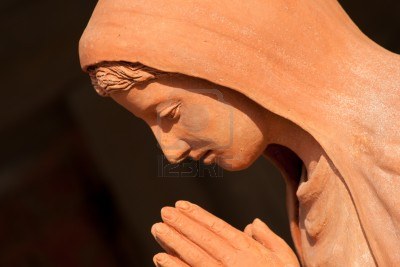 di Nadia Fondelli – Per il secondo anno, sul sagrato della cattedrale di Firenze viene realizzato un bellissimo e stupefacente presepe con statue in terracotta, a grandezza naturale, raffiguranti la Sacra Famiglia.
Come da tradizione il presepe è visibile dall’8 dicembre, festa dell’Immacolata Concezione, quando è stato benedetto da S. E. Cardinale Giuseppe Betori, Arcivescovo Metropolita di Firenze, prima di entrare in Cattedrale per la celebrazione della Santa Messa.
Il presepe è collocato sul lato opposto al campanile di Giotto, vicino al grande Albero di Natale della città di Firenze, dove rimarrà fino all’Epifania, quando, in occasione della “Cavalcata dei Magi”, le figure in terracotta della Sacra Famiglia saranno sostituite da persone e animali viventi.
Le statue della Madonna, di San Giuseppe e di Gesù Bambino sono pezzi unici realizzati a mano, a tutto tondo, dall’artigiano Luigi Mariani della storica fornace imprunetana di Angiolo Mariani e figli, la M.i.t.a.l., che ha voluto donarle all’Opera di Santa Maria del Fiore.
Questo tipo di sculture si inseriscono nell’antica tradizione fiorentina della lavorazione della terracotta che, in ambito artistico, è nata a Firenze agli inizi del Quattrocento col recupero di questa antica tecnica da parte di Donatello e Brunelleschi.
by Nadia Fondelli – For the second year Cialis, in front of the cathedral of Florence is a beautiful and amazing crib made with terracotta statues, life-size, depicting the Holy Family.
As per tradition, the Nativity scene is visible from 8 December, the feast of the Immaculate Conception, when he was blessed by S. E. Cardinal Giuseppe Betori, Archbishop of Florence, before entering the Cathedral for the celebration of the Holy Mass.
The crib is located on the opposite side of the Giotto’s bell tower, near the big Christmas tree in the city of Florence, where he remained until the Epiphany, when, on the occasion of the “Procession of the Magi”, the terracotta figures of the Holy Family will be replaced by people and animals living.
The statues of the Virgin Mary, St. Joseph and baby Jesus are unique pieces made by hand, in the round, the workman Luigi Mariani of the historic furnace Imprunetana of Angiolo and children, Mital, who wanted to give her the Opera of Santa Maria del Fiore.
This type of sculptures fit in the old Florentine tradition of pottery that, in art, was born in Florence in the early fifteenth century with the restoration of this ancient technique by Donatello and Brunelleschi.
Nov 27, 2012 | Arte e cultura, Eventi, Firenze
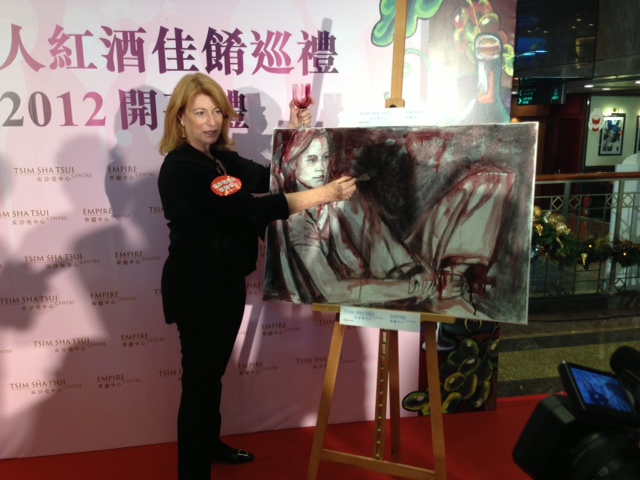 di redazione – Debutto asiatico per la pittrice fiorentina Elisabetta Rogai, che ad Hong Kong si è esibita in una performance live di EnoArte©, la tecnica artistica che consiste nell’usare il vino al posto dei colori per dipingere quadri che invecchiano col passare del tempo.
Allo Tsim Sha Tsui Center dell’isola oggi cinese – ma con ancora un forte retaggio britannico dai tempi in cui era protettorato inglese – la pittrice ha realizzato in diretta un dipinto davanti a un ospite d’eccezione: accanto a lei sul palco c’era infatti la “celebrity” cinese Jason Chan.
Forse ancora poco conosciuto in Occidente, Jason è uno dei personaggi più seguiti dai giovani cinesi: dopo un passato come conduttore, nel 2010 gli è stato offerto il primo ruolo importante nella sitcom A casa per cena, mentre quest’anno ha debuttato come protagonista nel dramma Blissful Ferry Wheel.
Un connubio inedito, quello tra l’arte e il vino made in Italy e una delle stelle della tv cinese, che testimonia una volta di più l’attenzione che all’estero viene rivolta alle opere e allo stile della pittrice fiorentina. Dopo l’avventura a Los Angeles lo scorso maggio, dove la Rogai è stata ospite d’onore della kermesse VivaVinoLA, ora è toccato all’Estremo Oriente ospitare i dipinti wine-made.
by redaction – Asian debut for the Stendra Florentine painter Elisabetta Rogai, and Hong Kong has performed in a live performance of EnoArte ©, the technique that is to use wine instead of colors to paint pictures as they age over time.
At Tsim Sha Tsui Center Chinese island today – but still with a strong British heritage from the days when it was a British Protectorate – the artist has created a painting live in front of a special guest next to her on stage was In fact, the “celebrity” Chinese Jason Chan.
Perhaps little known in the West, Jason is one of the most followed by the young Chinese: after a past as a conductor, in 2010 he was offered the first major role in the sitcom Home for dinner, and this year he made his debut as the lead in drama Blissful Ferry Wheel.
An unusual combination, the one between the art and the wine made in Italy and one of the stars of the Chinese television, which shows once more the attention that is paid to work abroad and style of the Florentine painter. After the adventure in Los Angeles last May, where Rogai was the guest of honor of the event VivaVinoLA, has now reached the Far East host wine-made paintings.
Nov 26, 2012 | Arte e cultura, Eventi, Firenze
 di Nadia Fondelli – Sarà un giorno importante il prossimo 17 dicembre per Firenze perchè, dopo ben 220 di “pellegrinaggio” fra varie sedi più o meno opportune, tornerà nella sala 35 degli Uffizi – detta di Michelangelo per la presenza del celebre Tondo Doni – l’Arianna addormentata, copia romana del III secolo a.C. di una scultura ellenistica, dalle dimensioni notevoli.
Dopo il restauro e uno spettacolare trasporto, la scultura diverrà parte integrante del nuovo allestimento della Sala 35 degli Uffizi, dove la si potrà ammirare, oltre che insieme al Tondo Doni, alle opere di Bugiardini, Albertinelli, Fra’ Bartolomeo, Granacci, Andrea Del Sarto, Franciabigio e Berruguete.
“Con questo allestimento, coerente con la nuova sala dedicata alla scultura antica in apertura del Cinquecento – ha detto la soprintendente Cristina Acidini – si conferma la rievocazione del paragone fra l’Antico e i moderni che diede slancio ai sommi artisti del Cinquecento, Michelangelo compreso. Si sta così scrivendo agli Uffizi un nuovo capitolo di museologia”.
Dal canto suo il direttore della Galleria degli Uffizi, Antonio Natali, responsabile del progetto, ha aggiunto che “Proprio al centro della nuova sala dedicata a Michelangelo e ai maestri fiorentini di primissimo Cinquecento, sarà posta a fulcro la monumentale statua di Ariadne, nota ai più col nome di Cleopatra. E come Cleopatra la menziona Vasari, quando l’annovera nel gruppo dei marmi ellenistici che, a suo giudizio, furono d’un fascino così intenso da condizionare il corso dell’arte, dando avvio alla cosiddetta ‘maniera moderna”.
Acquistata dal cardinale Ippolito d’Este per la nuova sistemazione dei giardini del Quirinale nel 1572, la statua costituiva uno degli ornamenti più vistosi del giardino Del Bufalo presso fontana di Trevi.
Dopo la morte del cardinale la scultura fu comperata dal cardinale Ferdinando de’ Medici (futuro terzo Granduca di Toscana) e sistemata a Villa Medici di Roma; da qui fu trasferita poi a Firenze nel 1787.
Fu proprio nella splendida villa romana sul Pincio, che la gigantesca figura marmorea di Arianna addormentata accolse centinaia di illustri protagonisti del Grand Tour italiano, da Jonathan Richardson a Johann Winckelmann. Anche Velasquez dopo averla ammirata pare abbia voluto rendergli omaggio raffigurandola in una tavola, oggi al Prado, nella quale la statua troneggia nella sua loggia affacciata sui vialetti sapientemente modellati come vero e proprio Genius loci del giardino del Pincio.
Giunta a Firenze la statua subì un complicato ed eccessivo lavoro di restauro e andò a finire nei depositi del Bargello, fu riconosciuta solo nel 1883 dall’archeologo Adriano Milani per essere infine sistemata, agli Uffizi. Considerata troppo “rimaneggiata” uscì molto presto dal prestigioso museo e iniziò il suo lungo pellegrinaggio: villa di Poggio Imperiale, Palazzo Pitti e infine Museo Archeologico dove, nel 1883, trovò una sistemazione che si pensava definitiva nel Salone del Nicchio di Palazzo della Crocetta, ma così non fu.
Il ripensamento del percorso espositivo di quel museo in seguito all’alluvione del 1966, comportò la rimozione della statua che, relegata nei depositi di Villa Corsini a Castello, conobbe un breve ritorno all’attenzione del pubblico solo a partire dai primi anni duemila, in conseguenza del parziale riallestimento in forma museale degli ambienti monumentali della villa.
Soltanto grazie alla preziosa collaborazione del direttore del Museo Archeologico Nazionale di Firenze, Giuseppina Carlotta Cianferoni, e alla generosità degli Amici degli Uffizi, l’Arianna, fresca del restauro torna nel luogo che le spetta di diritto, ultima tappa, ci si augura, di un’odissea durata oltre due secoli che ha visto l’infelice figlia di Minosse peregrinare per i palazzi e le ville della città.
by Nadia Fondelli – It will be an important day the next 17 December to Florence and not only because Online Pokies, after more than 220 of “pilgrimage” in various locations more or less appropriate, return to Room 35 of the Uffizi – that of Michelangelo for the presence of the famous Doni Tondo – l ‘ Ariadne asleep, a Roman copy of the third century BC of a Hellenistic sculpture, the large size.
After the restoration, and a spectacular move the sculpture will become part of the new layout of the room 35 of the Uffizi, where you can admire, as well as to Doni Tondo or the works of Bugiardini, Albertinelli, Fra ‘Bartolomeo, Granacci, Andrea del Sarto, and Franciabigio Berruguete.
“With this production, consistent with the new room dedicated to ancient sculpture at the beginning of the sixteenth century – said the superintendent Cristina Acidini – confirms the re-enactment of the comparison between the ancient and the modern that gave impetus to the chief sixteenth-century artists, including Michelangelo. It’s so writing a new chapter of the Uffizi museum studies.
“For his part, the director of the Galleria degli Uffizi, Antonio Natali, project manager, added that” Right in the middle of the new room dedicated to Michelangelo and Florentine masters of the highest sixteenth , focus will be placed on the monumental statue of Ariadne, best known under the name of Cleopatra. Cleopatra And as the Vasari mentions, when the counts in the group of Hellenistic marble which, in his opinion, were of a charm so intense as to affect the course of art, giving rise to the so-called ‘modern manner. “
Purchased by Cardinal Ippolito d’Este for the resettlement of the Quirinale Gardens in 1572, the statue was one of the most visible manifestations of garden ornaments Del Bufalo at the Trevi Fountain.
After the death of Cardinal sculpture was bought by Cardinal Ferdinando de ‘Medici (the future third Grand Duke of Tuscany) and placed at the Villa Medici in Rome, from where it was moved to Florence in 1787.
It was in the beautiful Roman villa on the Pincio, the giant marble figure of Ariadne asleep welcomed hundreds of prominent players in the Italian Grand Tour, by Jonathan Richardson Johann Winckelmann. Even after having admired Velasquez seems to have wanted to pay homage to him portrayed in a table, now in the Prado, where the statue stands in its loggia overlooking the paths cleverly modeled as a real genius loci of the garden of the Pincio.
Arrived in Florence the statue underwent a complicated restoration work and ended up in the stores of the Bargello, was only recognized in 1883 by the archaeologist Adriano Milani to be finally settled, the Uffizi.
Considered too “altered” came from the Uffizi and began his long pilgrimage villa of Poggio Imperiale, Palazzo Pitti and finally Archaeological Museum where, in 1883, he found an arrangement that final thought in the Hall of the Palace of Nicchio Crocetta, but it is not was.
The rethinking of the exhibition of the museum after the flood of 1966, involved the removal of the statue, confined to the deposits of Villa Corsini Castle, enjoyed a brief return to public attention only since the early years of this decade, in consequence of the partial redevelopment in the form of the museum in monumental villa.
Only thanks to the collaboration of the director of the National Archaeological Museum of Florence, Josephine-Charlotte Cianferoni, and the generosity of the Friends of the Uffizi, Arianna, fresh restoration back in its rightful place, the last stage, it is hoped, to odyssey lasted more than two centuries that saw the unhappy daughter of Minos pilgrimage to the palaces and villas of the city.
Nov 4, 2012 | Eventi, Firenze
 di Filippo Giovannelli – Un’idea, quella di Sergio Risaliti per Florens 2012, che supera ogni pensiero. A Firenze la croce ha simbolicamente rappresentato il percorso religioso della popolazione fiorentina degli ultimi 15 secoli. Gli artisti che la Firenze del Rinascimento ha allevato ed incoraggiato, hanno lasciato opere d’arte meravigliose, che già singolarmente emanano senzazioni indescrivibili.
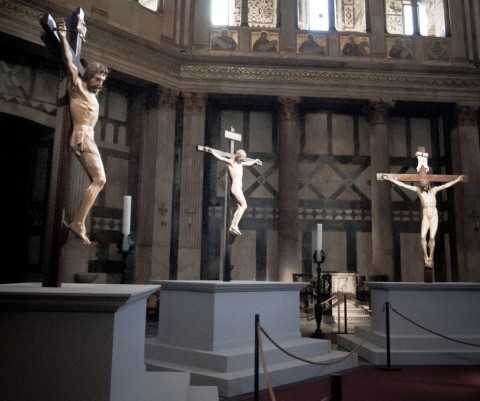
Oggi Firenze inaugura la Biennale Internazionale dei Beni Culturali e Ambientali. Con il Mysterium Crucis i crocifissi lignei di Donatello e Filippo Brunelleschi, insieme a quello scolpito dal giovane Michelangelo Buonarroti per Santo Spirito, sono stati esposti nel Battistero di San Giovanni, in una ostensione, come per approfondire il senso sacro dell’esposizione di queste grandi opere.
I tre crocifissi furono scolpiti dai loro autori, anche se non ci sono state ancora certezze sulle attribuzioni, a grandezza naturale e considerando il Cristo rappresentato nel mosaico del Battistero di San Giovanni ecco che emerge il profondo legame che le quattro opere d’arte hanno per la città di Firenze e per il mondo intero.
Un’esposizione in contemporanea di questi capolavori non può passare inosservata. L’importanza esaltante e nello stesso tempo emozionante per chi oggi ha assistito alla cerimonia religiosa officiata dal Cardinale Betori, ha reso ancora più importante l’evento.
Non può certamente sfuggire che l’occasione è una di quelle uniche ed imperdibili. Tutti dovrebbero prendere al volo l’occasione per fare un passaggio al Battistero; ma come è già successo in altre occasioni, molto spesso non si da il giusto valore agli eventi.
I crocifissi hanno la propria sede istituzionale all’interno delle Basiliche più importanti di Firenze. Il crocifisso di Donatello è esposto nella Basilica di Santa Croce, quello del Brunelleschi nella Basilica di Santa Maria Novella, quello di Michelangelo nella Basilica di Santo Spirito…e oggi…tutti e tre sono esposti, insieme, nel Battistero di San Giovanni.
Non notate qualcosa di meravigliosamente coerente?
Certamente non vi sarà sfuggito il parallelismo con i quattro storici quartieri della città, rappresentati dalle loro Basiliche.
Un parallelismo che non può sfuggire, in particolare, agli amanti delle Tradizioni Popolari fiorentine e della storia di Firenze. I quattro quartieri della città e del Calcio Storico Fiorentino sono oggi magnificamente rappresentati dalle splendide sculture del Cristo crocifisso e poi risorto.
Il consiglio è quello di vivere appieno questa edizione di Florens 2012 e un’altro consiglio è quello di essere sempre pronti ed informati sulla qualità e sulle opportunità che la città offre, senza mai farsi perdere le occasioni più importanti.
by Filippo Giovannelli – An idea from Sergio Generic Viagra Risaliti for Florens 2012, which surpasses every thought. In Florence, the cross has symbolized the religious path of the Florentine population over the past 15 centuries. The artists that Renaissance Florence has bred and encouraged, have left wonderful artwork, which already individually emit indescribable sensations.
Florence today inaugurates the International Biennale della Cultura. With the Mysterium Crucis wooden crucifixes of Filippo Brunelleschi and Donatello, along with carved by the young Michelangelo Buonarroti Holy Spirit, has been exposed in the Baptistery of San Giovanni, in a exposition, as to study the sacred sense of exposure of these great works.
The three crosses were sculpted by their authors, even though there were no certainties yet the powers, life-size and considering the Christ represented in the mosaic of the Baptistery of San Giovanni emerges here is that the deep bond that the four works of art have to the city of Florence and for the whole world.
Simultaneous exposure of these masterpieces can not go unnoticed. The importance exciting and thrilling at the same time for those who today attended the religious ceremony officiated by Cardinal Betori, made it even more important to the event.
Certainly can not ignore the fact that the occasion is one of those unique and unmissable. Everyone should take at the chance to make a transition to the Baptistery, but as has happened on other occasions, very often it is not the right value for the events.
The crucifixes have their own institutional setting within the most important basilicas of Florence. The crucifix by Donatello is exposed in the Basilica of Santa Croce, one of Brunelleschi in the Basilica of Santa Maria Novella, one of Michelangelo in the Basilica of the Santo Spirito … today … and all three are shown together in the Baptistery of San John.
You do not notice something wonderfully consistent?
Certainly there will be missed in parallel with the four historical districts of the city, represented by their basilicas.
Parallelism that can not escape, in particular, to the lovers of popular traditions and history of Florence Florence. The four districts of the city and Calcio Storico Fiorentino are now magnificently represented by the splendid sculptures of Christ crucified and then resurrected.
The advice is to fully enjoy this edition of Florens 2012 and another tip is to always be prepared and informed about the quality and opportunities that the city offers, without ever getting lost the most important occasions.
