Feb 20, 2013 | Arte e cultura, Firenze
 di Nicoletta Curradi & Fabrizio Del Bimbo – Nei due più prestigiosi musei dell’Oltrarno, la Galleria d’arte moderna di Palazzo Pitti e Villa Bardini della Fondazione Parchi Monumentali Bardini Peyron, viene ospitata da ieri e fino al prossimo 15 maggio un’ampia rassegna del percorso museale delle Gallerie d’Arte Moderna e Contemporanea di Ferrara.
Con questo evento espositivo si è voluto in primis rispondere al disagio subito dalle Gallerie ferraresi a causa dei danni subiti da Palazzo Massari, sede delle collezioni dell’Ottocento e del Museo d’Arte Moderna e Contemporanea Filippo de Pisis a causa del sisma che ha colpito nel maggio 2012 l’Emilia Romagna.
A Villa Bardini 26 le opere in esposizione prendono avvio dal Romanticismo storico di Gaetano Turchi, Massimiliano Lodi, Girolamo Domenichini e Giovanni Pagliarini e seguono con gli autoritratti dei principali artisti locali – da Giuseppe Mentessi a Giovanni Boldini – per giungere al simbolismo di Gaetano Previati con il capolavoro assoluto Paolo e Francesca (1909), tratto dall’omonimo canto dantesco.
Qui sarà presente, in particolare anche un nucleo rilevante di ritratti del grande Giovanni Boldini, opere di tono internazionale, condotte secondo uno stile ormai maturo, con una perfezione formale che aveva ormai raggiunto livelli di qualità tali da superare molti contemporanei.
Alla Galleria d’arte moderna di Palazzo Pitti si espongono invece 35 opere, dipinti e sculture: dal simbolismo letterario di Giovanni Muzzioli e Gaetano Previati, alle allegorie malinconiche nelle sculture di Angelo Conti ed Arrigo Minerbi.
Anche qui si potranno ammirare tre capolavori di Giovanni Boldini intriganti per il sapore inedito, rispetto al repertorio consueto del pittore: due nature morte (Un angolo della mensa del pittore; le mele calville) e la Marina a Venezia con scansioni geometriche simile ad una composizione manga giapponese.
Rimanendo ai souvenirs d’artista di città europee, un’ altra Venezia di Giuseppe Mentessi (Sagrato della Basilica di San Marco), e l’inquadratura del ponte di Charing-Cross a Londra di Alberto Pisa.
A documentare il passaggio al futurismo sono una tela di Arnoldo Bonzagni ed un Bronzo di Annibale Zucchini; mentre la corrente che perseguì la ripresa della tradizione classica, con evidenti riprese dai maestri Rinascimentali ferraresi, viene rappresentata dal Ritratto della sorella (1921) di Achille Funi di cui si esporrà anche le sue suggestioni dall’antico del Foro romano.
Un’amplificazione in linea con i monumentali progetti della politica del Regime è quella che si documenta nella forma a larghe campiture utilizzata da Mario Sironi nello studio per un mosaico del Palazzo di Giustizia di Milano.
Vi sono poi ritratti e geometrie dai toni ribassati nelle nature morte di Roberto Melli, che potrà risultare una vera scoperta per il grande pubblico.
L’omaggio al Novecento ferrarese si conclude con una tra le più importanti collezioni di opere del grande artista–poeta Filippo De Pisis, che racconta la sua personalissima visione d’artista attraverso nature morte, ritratti, vedute parigine, fiori raccontati e dipinti con una forma coinvolgente e sintetica.
In parallelo a questa sezione novecentesca, la Galleria d’arte moderna propone una piccola ma significativa selezione dai suoi depositi presentando al pubblico opere poco viste degli stessi autori presenti in mostra come Boldini, Minerbi, De Pisis, Carrà e Sironi.
Informazioni:
Da Boldini a De Pisis. Firenze accoglie i capolavori di Ferrara
Firenze, Galleria d’arte moderna di Palazzo Pitti e Villa Bardini
dal 19 febbraio al 19 maggio 2013by Nicoletta Curradi & Fabrizio Del Bimbo – In the two most prestigious museums viagra canada in the florentine Oltrarno, the Gallery of Modern Art in Pitti Palace and Villa Bardini Foundation Parks Monumental Bardini Peyron, hosted by yesterday and until next May 15th extensive review Galleries of the museum of Modern and Contemporary Art of Ferrara.
With this exhibition we wanted to in the first reply to the inconvenience suffered by the Galleries Ferrara because of the damage suffered by Massari Palace, home to the collections of the nineteenth century and the Museum of Modern and Contemporary Art Filippo de Pisis because of the earthquake that struck In May 2012, the Emilia Romagna.
A Villa Bardini 26 works on display come from Romanticism historic start of Gaetano Turks, Massimiliano Lodi, Jerome Domenichini and Giovanni Pagliarini and follow with the portraits of the leading local artists – from Mentessi Giuseppe Giovanni Boldini – to reach the symbolism of Gaetano Previati with the absolute masterpiece of Paolo and Francesca (1909), based on the canto.
Here will be present, in particular a significant core of portraits of the great Giovanni Boldini, works of international flavor, conducted according to a mature style, with a formal perfection that had reached quality levels that exceed many of his contemporaries.
The Gallery of Modern Art Pitti Palace are exposed instead 35 works, paintings and sculptures from the literary symbolism of John Muzzioli and Gaetano Previati, allegories melancholy in the sculptures of Henry Angelo Conti and Minerbi.
Also here you can admire three masterpieces by Giovanni Boldini intriguing to the taste unusual, compared to the usual repertoire of the artist: two still lifes (A corner of the table of the painter; apples Calville) and Marina in Venice with scans like a geometric composition Japanese manga.
Staying with souvenirs artist of European cities, an ‘other Venice by Giuseppe Mentessi (Basilica di San Marco’s Square), and the shot of the bridge-Charing Cross in London by Alberto Pisa.
To document the transition to futurism is a painting by Arnold Bonzagni and a Bronze Hannibal Zucchini, while the current pursued the recovery of the classical tradition, with clear shots by the masters of the Renaissance Ferrara, is represented by the portrait of Sister (1921) Achille Funi that you will also be showing its suggestions of the ancient Roman Forum.
Amplification monumental projects in line with the policy of the regime is the one that is documented in the form a large backgrounds used by Mario Sironi in the study for a mosaic of the Palace of Justice in Milan.
There are also portraits and geometries lowered tones in still lifes of Roberto Melli, which can be a real discovery for the general public.
The tribute to the twentieth century Ferrara concludes with one of the most important collections of works of the great artist-poet Filippo De Pisis, telling the artist through his personal vision of still lifes, portraits, views of Paris, described and painted with flowers form engaging and concise.
In parallel to this section of the twentieth century, the Gallery of Modern Art has a small but significant selection from his storehouses presenting to the public works of the same authors recently seen in the exhibition as Boldini, Minerbi, De Pisis, Carrà and Sironi.
Information:
By Boldini, De Pisis. Florence welcomes the masterpieces of Ferrara
Florence, Gallery of Modern Art, Pitti Palace and Villa Bardini
From 19 February to 19 May 2013
Feb 10, 2013 | Arezzo, Argentario, Casentino, Chianti Classico, Città del Tufo | Colline Metallifere, Crete Senesi, Eventi, Firenze, Garfagnana, Grosseto, Litorale pisano, Livorno, Lucca, Lunigiana, Maremma, Massa Carrara, Montagna Pistoiese, Montalbano, Monte Amiata, Monti Pisani, Mugello | Val di Sieve, Pisa, Pistoia, Prato, San Gimignano, Siena, Val Bisenzio, Val d'Elsa | Empolese, Val d'Elsa | Val di Merse, Val d'Orcia | Val di Chiana, Val di Cecina, Val di Cornia, Val Tiberina, Valdarno, Valdarno | Valdera | Colline Pisane, Valdinievole, Valle del Serchio | Piana Lucchese, Versilia
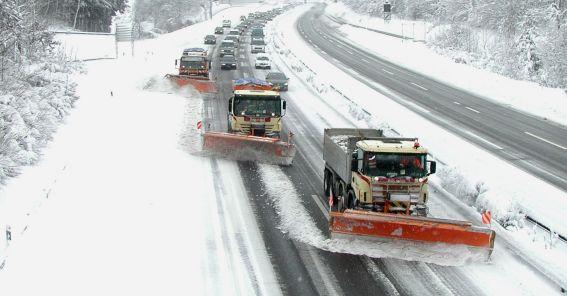 di Massimo Pieraccini – Previsioni meteo
Le precipitazioni nevose e le ghiacciate sono eventi atmosferici non sempre prevedibili con esattezza, ma oggi grazie ai moderni strumenti di previsione sono identificabili con più precisione per cui si consiglia tutti d’informarsi sempre sulle previsioni meteo locali e di seguire le possibili allerte comunicate della Protezione Civile la cui sala operativa è sempre attiva 24 ore su 24 (tel. 800 840 840).
Tutte le eventuali allerte le potrete trovare sempre aggiornate anche in rete sulla nostra pagina Facebook “Nucleo Operativo Protezione Civile”.
Cosa fare per la propria auto
All’approssimarsi dei mesi invernali è buona norma effettuare i seguenti controlli tecnici alla propria auto:
verificare che i tergicristalli siano perfettamente a filo con la superficie da liberare dall’acqua;
controllare la batteria che con il freddo corre il rischio di scaricarsi;
mettere l’antigelo nel radiatore e nel liquido per pulire i parabrezza;
se si intende viaggiare frequentemente su strade innevate è opportuno sostituire i pneumatici tradizionali con quelli specifici per la neve che hanno mescole più adatte al freddo e disegni capaci di assicurare una migliore aderenza.
Le catene da neve devono comunque essere sempre pronte all’uso, perché in presenza di neve abbondante i pneumatici invernali potrebbero non essere sufficienti. Inoltre l’inosservanza di questo consiglio potrebbe costare una multa: attenzione, i controlli sono già iniziati con le prime sanzioni elevate. Le catene devono essere utilizzate solo sulle strade coperte di neve per non correre il rischio di danneggiarle, compromettere la sicurezza di guida e non rischiare guasti agli organi di assetto.
Cosa fare per la viabilità
In auto oltre ad essere obbligatorio l’uso di pneumatici da neve o catene è consigliato tenere sempre a portata di mano un paio di guanti da lavoro e il montaggio delle catene deve essere sempre provato prima del verificarsi della situazione d’emergenza.
Durante l’evento nevoso non aspettare mai a montare le catene da neve quando si è già in condizioni di difficoltà specie se si devono affrontare percorsi con presenza di salite e discese anche di modesta pendenza.
Evitare di proseguire nel viaggio se non si ha un minimo di pratica di guida sulla neve e se ci si sente in difficoltà o non si ha il corretto equipaggiamento. Parcheggiare la propria auto in sicurezza sul lato della strada e a piedi trovare un rifugio idoneo.
Non abbandonare l’auto in condizioni che possono costituire impedimento alla normale circolazione degli altri veicoli ed in particolare dei mezzi operativi e di soccorso.
Aiutare le persone in difficoltà e non esitare a richiedere aiuto in caso di necessità, o meglio in caso di dubbio se non siete perfettamente sicuri su come fare per montare le catene, per posteggiare l’auto anche all’interno di proprietà private, per avere consigli ed indicazioni, etc.
Preferire sempre, per quanto possibile, l’utilizzo dei mezzi pubblici e non utilizzare mai i veicoli a due ruote.
Indossare abiti e soprattutto calzature idonee all’eventualità di sostenere spostamenti a piedi.
Cosa fare se vi trovate bloccati in auto in mezzo a un ingorgo
Se vi trovate bloccati nel mezzo di un ingorgo stradale siccome non sapete quanto potrà durare fate attenzione a quanto carburante avete in macchina e se il serbatoio è meno di un quarto non tenete costantemente il motore acceso, ma alternate accensione e spegnimento in ragione di 10 minuti di accensione e 30 di spegnimento per mantenere il motore e l’abitacolo in temperatura.
In questi casi l’autoradio è una risorsa preziosa, stiamo cercando di attivare un network di radio locali che in caso di emergenza siano disponibili a dare informazioni sulle condizioni della viabilità e consigli su eventuali percorsi alternativi.
Non attaccatevi al cellulare chiamando tutti per informarli della vostra disavventura o chiedere aiuto perchè non sapete quanto dovrete stare nella situazione in cui vi trovate e spesso i numeri di emergenza sono intasati; risparmiate la batteria del vostro cellulare, può essere determinante. Individuate una persona a casa o in ufficio che faccia per voi da tramite chiamando la polizia stradale, la Protezione Civile e il Comune per avere informazioni e fare eventuali richieste di aiuto. Usando il cellulare solo per parlare col vostro tramite allungherete la durata delle vostre batterie e la possibilità di restare in contatto.
Qualora dobbiate fare delle richieste di aiuto urgenti siate pronti a fornire i seguenti dati: strada in cui vi trovate (esempio: Autostrada A1 oppure SGC oppuree FIPILI) nel caso non conosciate il nome della strada almeno cercate di sapere indicare i nomi delle uscite più prossime e la direzione che state percorrendo (esempio: da Firenze nord verso sud, oppure Superstrada tra Empoli e Montopoli in direzione Pisa).
Cosa fare a casa
Si consiglia a tutti di fornirsi di un’adeguata e idonea scorta di sale da utilizzare per la viabilità privata (anche pedonale) e per gli eventuali marciapiedi esterni; di dotare ogni stabile (organizzandosi fra condomini) di un’attrezzatura minima come badili e pale da neve.
E’ necessario che infatti in caso di ghiacciate e nevicate per tutelare l’incolumità pubblica tutta la cittadinanza s’impegni a rimuovere neve e ghiaccio davanti alle proprie abitazioni e esercizi commerciali, pulire la cunetta stradale, liberare caditoie e tombini per agevolare il deflusso delle acque, spargere un adeguato quantitativo di sale se è previsto gelo, aprire varchi in corrispondenza degli attraversamenti pedonali ed incroci stradali, abbattere eventuali lame di neve e ghiaccio pendenti da tetti cornicioni e grondai e rimuovere le autovetture parcheggiate a bordo strada per permettere di liberare le carreggiate.
Tutto questo non è solo dovere civico di ogni cittadino, ma un preciso obbligo del regolamento di polizia municipale che non tutti conoscono!
In caso sia necessario muoversi a piedi prestando attenzione che dai tetti o dai cornicioni non ci sia pericolo di caduta di cumuli di neve, specie nei giorni successivi alla nevicata durante il disgelo sono frequenti le cadute di cumuli dai tetti.
Come utilizzare correttamente il sale
Il sale può essere usato solo per intervenire su formazioni di ghiaccio di limitato spessore.
E’ consigliabile quindi, intervenire preventivamente con salature laddove ci siano preavvisi di formazione di ghiaccio tenendo presente che il sale non produce nessun effetto in presenza di eccessivi spessori e/o in presenza di temperature troppo rigide (inferiori a -10°).
In caso di forti nevicate in atto togliere, prima di spargere il sale, quasi completamente la neve.
Il quantitativo di sale da spargere deve essere proporzionale allo spessore da sciogliere: esempio con un chilogrammo di sale si possono trattare 20 metri quadrati di superficie. Quantità superiori potrebbero danneggiare le pavimentazioni.
E’ doveroso ricordare che è sempre megllio utilizzare il sale specifico per disgelo e solo in caso di stretta necessità si può utilizzare il sale grosso da cucina.
Non usare mai acqua per eliminare cumuli di neve e ghiaccio soprattutto se su di essi è stato precedentemente sparso il sale.
Come proteggere la propria rete idrica
E’ bene all’approssimarsi della stagione più fredda prendere le giuste informazioni dal gestore del servizio idrico sulle misure da adottare per la protezione della rete idrica da possibili ghiacciate. Comunque sia è sempre opportuno proteggere il contatore da possibili ghiacciate, utilizzando materiali isolanti e in casa quando le temperature scendono sotto i -5° tenete costantemente aperto un flusso di acqua da almeno uno dei rubinetti.
by Massimo Pieraccini –Forecast
Snowfall and icy weather events tramadol toothache are not always predictable with accuracy, but today thanks to modern forecasting tools can be identified more precisely why you should always be fully aware of all local weather and follow the possible alerts sent Protection Civil whose operations room is always open 24 hours 24 (tel. 800 840 840).
All possible alerts you can always find the latest in a network on our Facebook page “Operational Unit Civil Protection”.
What to do for your car
As we approach the winter months it is advisable to carry out the following engineering controls to your car:
verify that the wipers are perfectly flush with the surface to be free from water;
check that the battery with the cold runs the risk of discharge;
put the antifreeze in the radiator and liquid to clean the windshield;
if you plan to travel frequently on snow tires should be replaced with conventional ones specific to the snow that compounds more suitable for cold and designs that ensure a better grip.
Snow chains must always be ready for use, because in the presence of abundant snow winter tires may not be enough. In addition, failure to comply with this advice could cost you a fine: attention, controls have already begun with the first high penalties. The chains must only be used on snow-covered roads to avoid the risk of damage, impair driving safety and to avoid damage to the organs of attitude.
What to do for the road
Drive as well as being mandatory to use snow tires or chains is recommended to always keep on hand a pair of work gloves and the use of snow chains should always be tried before the occurrence of the emergency situation.
During the event snowy never wait to mount snow chains when you are already in difficulty especially if you have to face the presence of paths with ascents and descents too small slope.
Do not go on the trip if you have a bit of practice driving on snow and if you feel stuck or do not have the proper equipment. Park your car safely on the side of the road and walk to find a suitable shelter.
Do not leave your car in the conditions that may obstruct the normal flow of other vehicles and in particular of operational resources and emergency.
Helping people in need and do not hesitate to ask for help when needed, or rather if in doubt if you are not completely sure on how to mount the chains to park your car even within private property, for advice and information, etc..
Always preferable, where possible, the use of public transport and never use the two-wheeled vehicles.
Wear appropriate footwear and especially the possibility to support walking.
What to do if you find yourself stuck in the car in the middle of a traffic jam
If you find yourself stuck in the middle of a traffic jam because you do not know for how long, be careful how much fuel you have in the car and if the tank is less than a quarter do not constantly keep the engine running, but alternate on and off at a rate of 10 minutes Ignition and 30 off to keep the engine and the passenger compartment in temperature.
In these cases, the radio is a valuable resource, we are trying to activate a network of local radio in case of emergency are available to give information on traffic conditions and advice on possible alternative routes.
Do not get attached to the phone calling everyone to let them know of your misfortune or ask for help because you do not know what you need to be in a situation where you are and often emergency numbers are clogged, save the battery of your phone, can be decisive. Identify a person at home or in the office to do for you by calling from the traffic police, Civil Defence and the Municipality for information and make any requests for help. Using the phone just to talk through with your lengthen the life of your batteries and the ability to stay in touch.
If you need to make urgent requests for help, be prepared to provide the following information: the street where you are (eg: A1 or SGC FIPILI or and) if you do not know the name of the road at least try to know the names of the outputs indicate closer and the direction you are traveling (eg from Florence north to south, or highway between Empoli and Pisa Montopoli in direction).
What to do at home
We recommend all to be equipped with an adequate and appropriate supply of salt to be used for private roads (including pedestrian) for any sidewalks external to equip each building (organizing among condominiums) minimum of equipment such as shovels and wheel Snow.
And ‘in fact necessary in the event of ice and snow to protect public safety all citizens to undertake to remove snow and ice in front of their homes and businesses, clean the gutter road, clear drains and manholes to facilitate the flow of water, spread an appropriate amount of salt if frost is expected, open gates at pedestrian crossings and intersections, break down any blades in snow and ice hanging from roof eaves and grondai and remove cars parked at the roadside to allow the free roadways.
This is not only a civic duty of every citizen, but a precise obligation of the Rules of the municipal police that not everyone knows!
If you need to walk around making sure that the roof or the eaves there is no danger of falling snow drifts, especially in the days after the snowfall during the thaw are frequent drops in heaps from the rooftops.
How to properly use the salt
The salt can be used to act only on ice formations of limited thickness.
E ‘therefore advisable to take preventive action by salting where there are notices of ice formation bearing in mind that the salt does not produce any effect in the presence of excessive thickness and / or in the presence of too rigid temperatures (below -10 °).
In the event of heavy snowfall in place to remove, before shedding the salt, almost completely snow.
The amount of salt to be spread must be proportional to the thickness to be solved: an example with one kilogram of salt can treat 20 square meters. Larger quantities can damage the flooring.
It ‘important to remember that it is always megllio use salt specifically designed to thaw and only when strictly necessary, you can use the coarse salt.
Never use water to remove accumulated snow and ice on them especially if it was previously scattered salt.
How to protect your water supply
And ‘well the approach of the cold season to make the right information from the manager of water services on measures to be taken to protect the water supply from possible ice. However it is always advisable to protect the meter from being frozen, using insulating materials and in house when temperatures fall below -5 ° keep constantly open to a flow of water for at least one of the taps.
Gen 26, 2013 | Arte e cultura, Firenze
 di redazione – Guardare oltre l’esteriorità, cogliere il bello là dove questo si cela, al di là di banali apparenze, entrare nell’anima dell’oggetto, per vedere e costruire una storia di percezioni e sensazioni.
È questo che Elisabetta Nencini, artista poliedrica e figlia del grande campione di ciclismo Gastone, cerca con il suo obiettivo fotografico.
Come oggetti di scavo, rinvenuti e riportati alla luce dopo secoli, così lo scarto urbano può rivelare ed evocare l’identità di un momento storico, evoluto sul fluire della memoria.
È proprio questo scarto che Elisabetta immortala, ridandogli vita. Prende così il nome “Fibre di un altro universo” la sua mostra fotografica ospitata dal 26 gennaio al 17 febbraio (orario: 10 – 14; chiuso il martedì) nella Sala Antiquarium Costantini del Museo Civico Archeologico di Fiesole (via Portigiani, 1).
La sua non è pura documentazione del visibile e del reale, ma una vera e propria captatioessentiae di ciò che l’occhio percepisce come particolare: innatamente l’artista si lascia attrarre dalla specificità di un dettaglio, tanto da farsene carico quale oggetto d’attenzione prima che di arte.
La materia nella sua struttura più incondizionata diventa soggetto di rivisitazione e nucleo di nuova vita agli occhi di chi ne percepisce una valenza che va al di là di quella conferitagli dagli eventi.
L’attrazione verso la forma, la linea, il colore di ciò che ha già avuto una sua storia, di ciò che ha già scritto un suo passato, porta Elisabetta Nencini a far scaturire dallo scatto fotografico un soffio di vita nuova, una dignità del tutto eccezionale che dal disuso eleva i materiali a oggetti e soggetti d’arte. Arte e fotografia, dunque, come nuovi mezzi di vitalità creativa.
“Elisabetta Nencini racconta di sé negli scatti che la contraddistinguono. Colori e forme come stati d’animo racchiudono essenze enigmatiche sospese in un’architettura iconografica ebbra di riferimenti viscerali – spiega il critico d’arte Faccenda – lo sono quei cavi di gomma, i fili elettrici, i residui vari che, nel singolare e sapiente adattamento fotografico, riescono a tal punto a essere trasformati, diresti persino trasfigurati, da sembrare, infine, rami di alberi, fili d’erba o scapi di fiori, quando non le corde interne di un essere umano”.
Elisabetta Nencini con la sua macchina fotografica scalfisce l’apparenza delle cose e va alla ricerca della sostanza: di quel materiale che da essere di scarto, torna riciclato.
Elisabetta Nencini “Fibre di un altro universo”
Fiesole, Sala Costantini del Museo Archeologico, Via Portigiani, 1
fino al 17 febbraio
Orario: 10.00 – 14.00, chiuso il martedì
Informazioni: Musei di Fiesole, Via Portigiani 3; Tel. 055 5961293; infomusei@comune.fiesole.fi.it
by redaction – Look beyond the exterior, grasp the beauty where this lies beyond the mundane appearances, enter the soul of the object, to see and build a history of perceptions and sensations.
This is what Elizabeth Nencini, versatile artist and daughter of the great cycling champion Gaston, looking with his camera lens.
As objects of excavation, discovered and brought to light after centuries, so the urban waste can reveal and evoke the identity of a historical moment, evolved over the flow of memory.
It is this gap that immortalizes Elizabeth, giving it life. Thus takes the name “Fibre from another universe” his photo exhibition hosted from January 26 to February 17 (open 10-14, closed on Tuesdays) the Hall Antiquarium Costantini of the Archaeological Museum of Fiesole (via Portigiani, 1).
Its not mere documentation of the visible and real, but a real captatio essentiœ of what the eye perceives in particular: the innately artist is attracted by the specificity of detail, so as to take responsibility for what object d ‘ attention before art.
Matter in its structure becomes subject to review and unconditional core of new life in the eyes of those who perceive a value that goes beyond that conferred by events.
The attraction to the form, line, color of what he has already had a history of what has already written his past, is Elizabeth Nencini to bring forth from the photo shoot a breath of new life, the dignity of wholly exceptional disuse elevates the material objects and subjects of art. Art and photography, then, as new means of creative vitality.
“Elizabeth Nencini talks about himself in the shots that distinguish it. Colors and shapes as moods contain cryptic species suspended in architecture iconographic references drunk with visceral – explains the art critic Faccenda – are those rubber cables, electrical wires, various residues that, in the singular and wise adaptation photographs, can be transformed to the point, would you say even transfigured, it seemed, finally, tree branches, grass or flower scapes, when the strings inside of a human being. “
Elizabeth Nencini with his camera detract from the appearance of things and goes in search of the substance of the material to be waste recycled back.
Elizabeth Nencini “Fibre from another universe”
Fiesole, Costantini Hall of the Archaeological Museum, Via Portigiani, 1
until February 17
Hours: 10:00 to 14:00, closed on Tuesdays
Information: Museums Fiesole, Via Portigiani 3; 055 5961293; infomusei@comune.fiesole.fi.it
Gen 23, 2013 | Arte e cultura, Firenze
 di redazione – 2012 – 2013 “Anno della Fede” e indulegenza plenaria concessa dal Papa a quanti si recheranno nelle chiese cattedrali per un tempo di meeditazione e preghiera.
L’Opera di Santa Maria del Fiore, in collaborazione con la Diocesi di Firenze, ha voluto proporre così una riflessione sul legame fra Firenze tra fede e arte, realizzando quattro itinerari in forma di pellegrinaggio: Cammini di fede e arte a Firenze accompagnati da un volume illustrato, a cura di Timothy Verdon.
Punto di arrivo dei quattro itinerari – attivi dal 1 febbraio 2013 – è la Cattedrale di Santa Maria del Fiore dove, dopo aver compiuto il percorso sulle reliquie nella zona del tamburo, i pellegrini potranno raccogliersi in meditazione e preghiera di fronte all’altare allestito nella navata principale con il Polittico di Santa Reparata (bottega di Giotto, 1305 ca.), ricevendo l’indulgenza plenaria concessa dal Santo Padre.
“La maternità di Maria” è il primo dei quattro itinerari che unisce idealmente i luoghi della devozione mariana, a partire dalla Santissima Annunziata – il maggiore santuario mariano di Firenze – per terminare alla Porta della Mandorla del Duomo, capolavoro di Nanni di Banco e di maestri di più generazioni tra cui Donatello.
Il secondo percorso, “Le cattedre dei Vescovi” ha come tema le chiese che hanno ospitato la Cattedra vescovile. Da San Lorenzo, scelta come prima cattedrale di Firenze da San Zanobi (398-429), alla chiesa di San Salvatore al Vescovo sul retro del Palazzo Vescovile, passando per il Battistero e Santa Reparata, fino al grandioso edificio del Duomo di Firenze.
Il terzo cammino è un viaggio nei “Luoghi della carità a Firenze” da Orsanmichele, l’edificio che meglio rappresenta la carità nell’esperienza cristiana, con la Madonna delle Grazie di Bernardo Daddi (1347), al Campanile di Giotto.
I segni della presenza degli ordini religiosi sono il tema del quarto e ultimo itinerario, “Uomini di Dio” al servizio della città, che aiuta a comprendere come le diverse spiritualità hanno dato origine a profonde esperienze cristiane collegate alle vicende storiche della città.
Meditando in questi luoghi, davanti alle opere d’arte, orientandosi con la lettura dei brani delle Scritture e del Magistero proposti per ogni itinerario, il pellegrino avrà la possibilità di sperimentare un originale cammino di Fede e di scoprire una lettura più profonda dei tanti capolavori che segnano la nostra eredità culturale.
I materiali di supporto agli itinerari (depliant con informazioni e carta del pellegrino) sono a disposizione gratuitamente presso il Centro Arte e Cultura dell’Opera (piazza San Giovanni 7, Firenze), dove dovranno essere ritirati prima di iniziare gli itinerari.
Per informazioniwww.operaduomo.firenze.it oppureOPA – Centro Arte e Cultura, tel. 055 282226,e.mail: artecultura@operaduomo.firenze.it.
Foto: itinerario 3. Bernardo Daddi, Madonna delle Grazie, 1347, orsammichele
by redaction – 2012-2013 Year of Faith, and a plenary indulgence the makers of viagra sued by plantiffs granted by Pope will travel to many of the Cathedral Churches for a time of prayer and meditation.
The Work of Santa Maria del Fiore, in collaboration with the Diocese of Florence, he wanted to propose as a reflection on the relationship between faith and art in Florence, producing four routes in the form of pilgrimage: Walk of faith and art in Florence accompanied by a illustrated book, Florence Christian. Paths of faith and art by Timothy Verdon.
Culmination of four routes – operating since 1 February 2013 – is the Cathedral of Santa Maria del Fiore, where, after having completed the course of the relics in the area of the drum, the pilgrims will gather in meditation and prayer before the altar set up in the main aisle with the Polyptych of Saint Reparata (workshop of Giotto, 1305 ca.), receiving a plenary indulgence granted by the Holy Father.
“Mary’s motherhood” is the first of four routes that ideally combines the places of Marian devotion, from the Annunciation – the largest Marian shrine of Florence – to finish at Almond Door of the Cathedral, a masterpiece of Nanni di Banco and masters of different generations including Donatello.
The second course, “The teaching of the bishops” has as its theme the churches that have hosted the Episcopal seat. From San Lorenzo, chosen as the first cathedral of Florence from San Zanobi (398-429), the church of San Salvatore on the back of the Bishop of the Episcopal Palace, passing the Baptistery and Santa Reparata, to the great building of the Cathedral of Florence.
The third path is a journey through the “Places of charity in Florence” from Orsanmichele, the building that best represents the charity in the Christian experience with Our Lady of Grace by Bernardo Daddi (1347), Giotto’s Campanile.
The signs of the presence of religious orders are the subject of the fourth and final route, “Men of God” in the service of the city, which helps to understand how the different spirituality gave rise to profound Christian experiences related to the historical events of the city.
Meditating in these places, in front of works of art, oriented with the reading of passages of Scripture and the Magisterium proposed for each route, the pilgrim will have the chance to experience a unique journey of faith and discover a deeper reading of the many masterpieces that mark our cultural heritage.
Support materials to routes (brochures with information and paper pilgrim) are available free of charge at the Art and Culture Center of the Opera (St. John 7, Florence), which must be collected before starting the routes.
For information or www.operaduomo.firenze.it OPA – Art and Culture Centre, tel. 055 282226, e-mail: artecultura@operaduomo.firenze.it.
Photo: Route 3. Bernardo Daddi, Madonna delle Grazie, 1347, Orsammichele
Gen 20, 2013 | Enogastronomia, Firenze
 di Stefania Pianigiani – Inizia con uno di più famosi e talentuosi chef toscani, la nuova rubrica di The Tuscany, legata all’enogastronomia di qualità della regione.
Quarantanni e non sentirli, verrebbe da dire, parlando dello chef Marco Stabile, che compie gli anni proprio oggi. Il percorso professionale di Marco Stabile è stato un crescendo di successi e da qualche anno si è lasciato andare in una sfida davvero ambiziosa quella dell’Ora d’Aria, il il suo ristorante nel cuore di Firenze.
Uno spazio accogliente, dominato da luci tenui dove crea piatti ricercati, sintesi della tradizione toscana, dando mettendo in risalto la memoria delle origini.
La stella della prestigiosa guida Michelin, di cui è insignito, parla a chiaro a proposito della qualità della sua cucina, che estrapola l’anima e l’emozioni di un ingrediente, lasciando che esprima se stesso.
Il percorso formativo di Stabile, è partito da lontano, e si è radicato prima in alcune parti della Toscana per poi affermarsi anche nella città gigliata, grazie a un lavoro di umiltà e creatività che lo ha portato oggi ad essere riconosciuto come “cuoco di prestigio” in Italia e nel mondo.
Scopriamo di più sul suo conto attraverso questa intervista:
Quali sono le tue linee guida che ti rendono diverso da altri locali a una stella?
Ogni stellato è speciale a modo suo, quello che faccio ogni giorno è guardare indietro, molto indietro e poi avanti nei tempi e raccontare tutto attraverso i miei piatti, i nostri gesti, le nostre idee. Coinvolgere i giovani cuochi e stimolarli a creare, comunicare ciò che vedono assaggiano, sognano, è un impegno che mi prendo ogni giorno.
Qual’è il piatto di cui vai più orgoglioso?
Sono molti in realtà, potrei menzionare il maialino morbido-croccante, il piccione in tre cotture, l’hamburger davvero! Ma il piatto a cui sono più affezionato è l’uovo, le uova e la gallina: i riti della nonna toscana, dove in un piatto racconto tutte le emozioni culinarie che mia nonna ci ha trasmesso durante le feste, il tutto partendo da una pentola di brodo di gallina….
Perchè hai scelto Firenze per aprire il tuo ristorante?
Firenze, la mia città. Non sono nato qui, ma ogni volta che volevo qualcosa di grande, di europeo, di mondiale, venivo qui con il treno e stupivo me stesso con l’arte, le bellezze architettoniche, la storia di questa grande città.
E’ la mia fonte di ispirazione più grande, è viva, piena di cultura gastronomica e proposte nuove, basta saperle cogliere, leggere e interpretare. La porto sempre con me nei miei viaggi e negli eventi nel mondo, la rammento nei miei piatti, rivive sempre nei sapori che esprimo.
Marco Stabile – Ora d’aria ristorante
Via dei Georgofili, 11R – 50122 Firenze
Tel/fax +39 055 2001699 – Mobile +39 3290263177
www.oradariaristorante.com
by Stefania Pianigiani – Start with one of the most famous and talented chef from Tuscany, a new section of The Tuscany, linked to wine quality in the region. Forty years and not hear, you might say, speaking chef Marco Stabile, who are celebrating a birthday today. The career of Marco Stabile has been a growing success and in recent years has left to go to a really ambitious challenge that the Hour of Air, his restaurant in the heart of Florence.
A welcoming space, dominated by soft lights which creates refined dishes, the synthesis of the Tuscan tradition, giving highlighting the memory of its origins.
The star of the prestigious Michelin guide, which is awarded, speaks clearly about the quality of its cuisine, which extrapolates the soul and emotions of an ingredient, leaving expressing himself.
The training of Stable, started from a distance, and first took root in some parts of Tuscany and then establish themselves in the city of the lily, thanks to the work of humility and creativity that brought it today to be recognized as “chef prestige “in Italy and in the world.
Let’s find out more about him through this interview:
What are your guidelines that will make it different from other places in a star?
Each star is special in its own way, what I do every day is look back, way back and then forward in time and tell all through my dishes, our gestures, our ideas. Involving young chefs and encourage them to create, communicate what they see taste, dream, is a commitment that I take every day.
What is the dish you most proud of?
There are many in fact, I could mention the soft-crunchy pig, pigeon Three ways to cook the burgers really! But the dish I’m most fond of is the egg, the egg and the hen: the rites of the grandmother Tuscany, where a plate culinary story all the emotions that my grandmother sent us during the holidays, all from a pot chicken broth ….
Why did you choose to open your own restaurant in Florence?
Florence, my city. I was not born here, but every time I wanted something big, European, of the world, I came here by train and was amazed myself with art, beautiful architecture, the history of this great city.
It ‘s my biggest source of inspiration is alive, full of gastronomic culture and new proposals, simply grasp them, read and interpret. I always carry it with me in my travels and events in the world, I remember in my dishes, lives always in the flavors that express.
Marco Stabile – Ristorante Ora d’Aria
Via Georgofili 11R – 50122 Florence
Tel / fax +39 055 2001699 – Mobile +39 3290263177
www.oradariaristorante.com
Gen 18, 2013 | Chianti Classico, Enogastronomia, Eventi, Shopping
 di Nadia Fondelli – Una rivoluzione attesa da tempo e di cui si sentiva parlare da almeno da un anno. Il Chianti Classico cambia o più semplicemente si mette al passo coi tempi.
Via la fascetta col Gallo Nero strizzata sul collo della bottiglia. L’etichetta scende sull’etichetta o sul retroetichetta con misure e colori definiti dal Consorzio.
Regole severe per il viso sfuso che dovrà uscire dalle cantine già “firmato” Chianti Classico come garanzia di qualità per il consumatore. Ma sopratutto una rivoluzione quasi totale della piramide di qualità della denominazione.
Gli appassionati dallo scorso maggio – data in cui si sentiva già parlare di alcune importanti novità – erano in fibrillazione; i colleghi più titolati a caccia di scoop e anticipazioni si sono arrampicati sugli specchi per cercare di indovinare, ma oggi è il Consorzio stesso a svelarci le novità.
Il “Gran Selezione” diventerà il prodotto d’elite della griffe. Il vino migliore fatto solo con uve nate nell’azienda e che non andrà sul mercato prima di 30 mesi.
Questa attesa novità rivoluzionerà un po’ tutte le altre linee di produzione. Solo il Chianti Classico d’annata rimarrà inalterato, mentre la Riserva avrà come novità il doversi dichiarare tale fin da subito e non come succedeva fino ad oggi quando poteva diventare tale anche solo prima di andare sul mercato, ovvero 2 anni dopo la raccolta delle uve e di cui almeno tre mesi passati in bottiglia.
D’ora in poi per poter essere un Chianti Classico Riserva il produttore deve dichiararlo dalla vigna: quell’uva e solo quella diventerà tale.
Novità approvate pochi giorni fa a grande maggioranza dall’assemblea su proposta del Consiglio di Amministrazione. Novità che intendono valorizzare la Denominazione facendola crescere sempre di più nonostante che il 2012 con i suoi venti di crisi abbia fatto registrare un invidiabile +8% sui mercati mondiali con gli Usa come piazza forte e una forte crescita cinese.
“Si chiude un percorso iniziato più di due anni fa con il preciso intento di rilanciare la denominazione attraverso una serie di modifiche al disciplinare finalizzate ad assecondare quell’innalzamento qualitativo del prodotto conseguito dai nostri vini negli ultimi anni” afferma Sergio Zingarelli, Presidente del Consorzio Vino Chianti Classico.
“Sono sicuro che con questi nuovi strumenti saremo in grado di affrontare le sfide del futuro con una serie di regole capaci di rendere il Chianti Classico più forte davanti alla crescente concorrenza internazionale. Ringrazio tutto il corpo sociale, il cda e la Presidenza che mi ha preceduto, tutti insieme abbiamo contribuito a questo importante traguardo”.
Sarà il tradizionale appuntamento annuale della Stazione Leopolda di Firenze con il Chianti Classico Collection a “battezzare” con la presentazione ufficiale il prossimo febbraio il Chianti Classico del futuro. Più in particolare, martedì 19 febbraio, nella tradizionale conferenza stampa della manifestazione sarà “svelata” la nuova immagine e tutte le altre novità del riassetto.
260mila quintali pari a 34 milioni di bottiglie venduti nel 2012; 4,7 miliardi export per tutto il vitigno Italia, crescite di fatturato del +13% del comparto che ha salvato di fatto l’Italia sui mercati internazionali.
Numeri importanti per il re del made in Italy, numeri a cui si arriva solo grazie a una qualità sempre maggiore, ad un’attenzione viva per le richieste del mercato nella certezza che il vino italiano e il suo principe Chianti Classico non si possono taroccare!
by Nadia Fondelli – A revolution is long overdue and that viagra online without prescription there was talk for at least a year. The Chianti Classico changes or simply puts up with the times.
Go the band with Gallo Nero wrung the neck of the bottle. The label goes on the label or on the back label sizes and colors defined by the Consortium.
Strict rules for the face loose and must leave the cellar already “signed” Chianti Classico as a guarantee of quality for the consumer. But above all a revolution almost total quality pyramid of the name.
Fans since last May – the date on which she was already talking about some major changes – were fibrillation; colleagues more qualified to hunt for scoops and advances climbed at straws to try to guess, but today is the Consortium to reveal the news.
The “Great Selection” will become the elite product of the brand. The best wine made only from grapes born on the farm which will not go on the market before 30 months.
This innovation will revolutionize waiting a bit ‘all the other production lines. Only the Chianti Classico vintage will remain unchanged, while the Reserve will like the novelty having to declare this immediately and not going to date when he could become that even before going on the market, or 2 years after the harvest of which at least three months in bottle. From now on, in order to be a Chianti Classico Riserva, the manufacturer shall declare the vineyard and only those grapes that become such.
New approved a few days ago by the Assembly by a large majority on a proposal from the Board of Directors. News that intend to enhance the name making it grow more and more in spite of the 2012 with its winds of crisis has registered an enviable +8% on world markets with the U.S. as a fortified town and a strong growth in China.
“It closes a process that began more than two years ago with the specific intent to revive the name through a series of changes to the specification designed to accommodate quell’innalzamento product quality achieved by our wines in recent years,” said Sergio Zingarelli, President of the Consortium Chianti Classico wine.
“I am sure that with these new tools will be able to meet the challenges of the future with a set of rules that can make Chianti Classico stronger in front of the growing international competition. I thank all the social body, the Board of Directors and the President who preceded me, we have all contributed to this important milestone. “
It will be the annual event of the Stazione Leopolda in Florence, Chianti Classico Collection to “baptize” with the official launch next February Chianti Classico of the future. More specifically, Tuesday, Feb. 19, in the traditional press conference of the event will be “unveiled” the new image and all the other news of the reorganization.
260 thousand tons of 34 million bottles sold in 2012, 4.7 billion and exports to all over the vine Italy, revenue growth of +13% of the sector that has actually saved Italy in international markets.
Important numbers for the king of the made in Italy, numbers which can be reached only through a higher and higher quality, with attention alive to the demands of the market in the certainty that Italian wine Chianti Classico and her prince can not falsify!
