Mar 22, 2013 | Arcipelago | Costa degli Etruschi, Arezzo, Argentario, Arte e cultura, Casentino, Chianti Classico, Città del Tufo | Colline Metallifere, Crete Senesi, Da non perdere, Eventi, Firenze, Garfagnana, Grosseto, Litorale pisano, Livorno, Lucca, Lunigiana, Maremma, Massa Carrara, Montagna Pistoiese, Montalbano, Monte Amiata, Monti Pisani, Mugello | Val di Sieve, Pisa, Pistoia, Prato, San Gimignano, Siena, Val Bisenzio, Val d'Elsa | Empolese, Val d'Elsa | Val di Merse, Val d'Orcia | Val di Chiana, Val di Cecina, Val di Cornia, Val Tiberina, Valdarno, Valdarno | Valdera | Colline Pisane, Valdinievole, Valle del Serchio | Piana Lucchese, Versilia
 di Nadia Fondelli – Con la primavera torna un appuntamento speciale per conoscere luoghi insoliti del nostro paese. Per persone curiose che amano farsi coinvolgere con cuore e mente ecco l’edizione 2013 delle Giornate Fai di Primavera in programma sabato 23 e domenica 24 marzo.
Vita, storie e leggende. Scrigni d’arte preziosi, opere d’arte che si svelano, giardini incantati… Sono oltre 700 i luoghi italiani, spesso inacessibili e per l’occasione eccezionalmente a disposizione del pubblico, con visite a contributo libero: chiese, palazzi, aree archeologiche, ville, borghi, giardini; persino caserme, centrali idroelettriche e un osservatorio astronomico.
Anche in Toscana basta scegliere: a Firenze ad esempio sarà possibile scoprire la Cappella Ruccellai, l’Istituto di scienze militari aereonautiche delle Cascine, il palazzo Portinai Salviati, il giardino di Villa Corsini a Castello e villa La Quiete alle Montalve.
Il Forte delle Rocchette a Castiglion della Pescaia in Maremma solitamente chiuso al pubblico è imperdibile così come i sotterranei delle mura di Lucca e lo splendido teatrino di Vetriano.
In provincia di Pisa toglierà il fiato la visita alla rocca della Verruca e a Pistoia la gipsoteca Libero Andreotti. Infine, in provincia di Siena bellissimo il tuffo nel passato proposto da Poggibonsi con la fortezza del Poggio Imperiale, il cassero, i bastioni e gli scavi archeologici e Staggia senese con la sua rocca.
Tutti i luoghi sono visitabili con viste guidate ed alcuni anche in lingue stranieri. Per l’elenco completo dei luoghi e per sostenere il Fai www.giornatafai.it
by Nadia Fondelli – With the spring valium for dogs back a special event to learn about unusual places of our country. For curious people who like to get involved with heart and mind, here is the 2013 edition of the Days Make Spring on Saturday 23 and Sunday 24 March.
Life, stories and legends. Precious art treasures, works of art that are revealed, enchanted gardens … There are more than 700 places Italians, often inaccessible and for the occasion exceptionally available to the public, with visits to free contribution: churches, palaces, archaeological sites, villas, villages, gardens, even barracks, hydroelectric and an astronomical observatory.
Even in Tuscany Just choose: in Florence, for example, you will discover the Chapel Ruccellai, the Institute of Aeronautical Sciences Military delle Cascine, the palace caretakers Salviati, the garden of Villa Corsini at Castello and Villa La Quiete to Montalve.
The Fort Rocchette in Castiglione della Pescaia in Maremma usually chiuo to the public is a must as well as the basement walls of Lucca and the splendid theater of Vetriano.
In the province of Pisa take your breath away visit to the Verruca Pistoia and the plaster casts Libero Andreotti. Finally, in the province of Siena, the beautiful blast from the past brought to Poggibonsi with the fortress of Poggio Imperiale, the keep, the ramparts and the archaeological excavations and Staggia Siena with its fortress.
All locations can be visited with guided tours and some even in foreign languages. For a full list of the places and to support the Make www.giornatafai.it
Feb 10, 2013 | Arezzo, Argentario, Casentino, Chianti Classico, Città del Tufo | Colline Metallifere, Crete Senesi, Eventi, Firenze, Garfagnana, Grosseto, Litorale pisano, Livorno, Lucca, Lunigiana, Maremma, Massa Carrara, Montagna Pistoiese, Montalbano, Monte Amiata, Monti Pisani, Mugello | Val di Sieve, Pisa, Pistoia, Prato, San Gimignano, Siena, Val Bisenzio, Val d'Elsa | Empolese, Val d'Elsa | Val di Merse, Val d'Orcia | Val di Chiana, Val di Cecina, Val di Cornia, Val Tiberina, Valdarno, Valdarno | Valdera | Colline Pisane, Valdinievole, Valle del Serchio | Piana Lucchese, Versilia
 di Massimo Pieraccini – Previsioni meteo
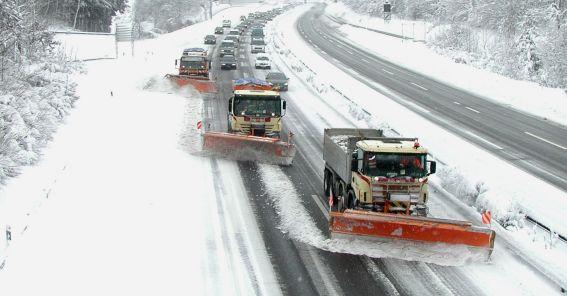
Le precipitazioni nevose e le ghiacciate sono eventi atmosferici non sempre prevedibili con esattezza, ma oggi grazie ai moderni strumenti di previsione sono identificabili con più precisione per cui si consiglia tutti d’informarsi sempre sulle previsioni meteo locali e di seguire le possibili allerte comunicate della Protezione Civile la cui sala operativa è sempre attiva 24 ore su 24 (tel. 800 840 840).
Tutte le eventuali allerte le potrete trovare sempre aggiornate anche in rete sulla nostra pagina Facebook “Nucleo Operativo Protezione Civile”.
Cosa fare per la propria auto
All’approssimarsi dei mesi invernali è buona norma effettuare i seguenti controlli tecnici alla propria auto:
verificare che i tergicristalli siano perfettamente a filo con la superficie da liberare dall’acqua;
controllare la batteria che con il freddo corre il rischio di scaricarsi;
mettere l’antigelo nel radiatore e nel liquido per pulire i parabrezza;
se si intende viaggiare frequentemente su strade innevate è opportuno sostituire i pneumatici tradizionali con quelli specifici per la neve che hanno mescole più adatte al freddo e disegni capaci di assicurare una migliore aderenza.
Le catene da neve devono comunque essere sempre pronte all’uso, perché in presenza di neve abbondante i pneumatici invernali potrebbero non essere sufficienti. Inoltre l’inosservanza di questo consiglio potrebbe costare una multa: attenzione, i controlli sono già iniziati con le prime sanzioni elevate. Le catene devono essere utilizzate solo sulle strade coperte di neve per non correre il rischio di danneggiarle, compromettere la sicurezza di guida e non rischiare guasti agli organi di assetto.
Cosa fare per la viabilità
In auto oltre ad essere obbligatorio l’uso di pneumatici da neve o catene è consigliato tenere sempre a portata di mano un paio di guanti da lavoro e il montaggio delle catene deve essere sempre provato prima del verificarsi della situazione d’emergenza.
Durante l’evento nevoso non aspettare mai a montare le catene da neve quando si è già in condizioni di difficoltà specie se si devono affrontare percorsi con presenza di salite e discese anche di modesta pendenza.
Evitare di proseguire nel viaggio se non si ha un minimo di pratica di guida sulla neve e se ci si sente in difficoltà o non si ha il corretto equipaggiamento. Parcheggiare la propria auto in sicurezza sul lato della strada e a piedi trovare un rifugio idoneo.
Non abbandonare l’auto in condizioni che possono costituire impedimento alla normale circolazione degli altri veicoli ed in particolare dei mezzi operativi e di soccorso.
Aiutare le persone in difficoltà e non esitare a richiedere aiuto in caso di necessità, o meglio in caso di dubbio se non siete perfettamente sicuri su come fare per montare le catene, per posteggiare l’auto anche all’interno di proprietà private, per avere consigli ed indicazioni, etc.
Preferire sempre, per quanto possibile, l’utilizzo dei mezzi pubblici e non utilizzare mai i veicoli a due ruote.
Indossare abiti e soprattutto calzature idonee all’eventualità di sostenere spostamenti a piedi.
Cosa fare se vi trovate bloccati in auto in mezzo a un ingorgo
Se vi trovate bloccati nel mezzo di un ingorgo stradale siccome non sapete quanto potrà durare fate attenzione a quanto carburante avete in macchina e se il serbatoio è meno di un quarto non tenete costantemente il motore acceso, ma alternate accensione e spegnimento in ragione di 10 minuti di accensione e 30 di spegnimento per mantenere il motore e l’abitacolo in temperatura.
In questi casi l’autoradio è una risorsa preziosa, stiamo cercando di attivare un network di radio locali che in caso di emergenza siano disponibili a dare informazioni sulle condizioni della viabilità e consigli su eventuali percorsi alternativi.
Non attaccatevi al cellulare chiamando tutti per informarli della vostra disavventura o chiedere aiuto perchè non sapete quanto dovrete stare nella situazione in cui vi trovate e spesso i numeri di emergenza sono intasati; risparmiate la batteria del vostro cellulare, può essere determinante. Individuate una persona a casa o in ufficio che faccia per voi da tramite chiamando la polizia stradale, la Protezione Civile e il Comune per avere informazioni e fare eventuali richieste di aiuto. Usando il cellulare solo per parlare col vostro tramite allungherete la durata delle vostre batterie e la possibilità di restare in contatto.
Qualora dobbiate fare delle richieste di aiuto urgenti siate pronti a fornire i seguenti dati: strada in cui vi trovate (esempio: Autostrada A1 oppure SGC oppuree FIPILI) nel caso non conosciate il nome della strada almeno cercate di sapere indicare i nomi delle uscite più prossime e la direzione che state percorrendo (esempio: da Firenze nord verso sud, oppure Superstrada tra Empoli e Montopoli in direzione Pisa).
Cosa fare a casa
Si consiglia a tutti di fornirsi di un’adeguata e idonea scorta di sale da utilizzare per la viabilità privata (anche pedonale) e per gli eventuali marciapiedi esterni; di dotare ogni stabile (organizzandosi fra condomini) di un’attrezzatura minima come badili e pale da neve.
E’ necessario che infatti in caso di ghiacciate e nevicate per tutelare l’incolumità pubblica tutta la cittadinanza s’impegni a rimuovere neve e ghiaccio davanti alle proprie abitazioni e esercizi commerciali, pulire la cunetta stradale, liberare caditoie e tombini per agevolare il deflusso delle acque, spargere un adeguato quantitativo di sale se è previsto gelo, aprire varchi in corrispondenza degli attraversamenti pedonali ed incroci stradali, abbattere eventuali lame di neve e ghiaccio pendenti da tetti cornicioni e grondai e rimuovere le autovetture parcheggiate a bordo strada per permettere di liberare le carreggiate.
Tutto questo non è solo dovere civico di ogni cittadino, ma un preciso obbligo del regolamento di polizia municipale che non tutti conoscono!
In caso sia necessario muoversi a piedi prestando attenzione che dai tetti o dai cornicioni non ci sia pericolo di caduta di cumuli di neve, specie nei giorni successivi alla nevicata durante il disgelo sono frequenti le cadute di cumuli dai tetti.
Come utilizzare correttamente il sale
Il sale può essere usato solo per intervenire su formazioni di ghiaccio di limitato spessore.
E’ consigliabile quindi, intervenire preventivamente con salature laddove ci siano preavvisi di formazione di ghiaccio tenendo presente che il sale non produce nessun effetto in presenza di eccessivi spessori e/o in presenza di temperature troppo rigide (inferiori a -10°).
In caso di forti nevicate in atto togliere, prima di spargere il sale, quasi completamente la neve.
Il quantitativo di sale da spargere deve essere proporzionale allo spessore da sciogliere: esempio con un chilogrammo di sale si possono trattare 20 metri quadrati di superficie. Quantità superiori potrebbero danneggiare le pavimentazioni.
E’ doveroso ricordare che è sempre megllio utilizzare il sale specifico per disgelo e solo in caso di stretta necessità si può utilizzare il sale grosso da cucina.
Non usare mai acqua per eliminare cumuli di neve e ghiaccio soprattutto se su di essi è stato precedentemente sparso il sale.
Come proteggere la propria rete idrica
E’ bene all’approssimarsi della stagione più fredda prendere le giuste informazioni dal gestore del servizio idrico sulle misure da adottare per la protezione della rete idrica da possibili ghiacciate. Comunque sia è sempre opportuno proteggere il contatore da possibili ghiacciate, utilizzando materiali isolanti e in casa quando le temperature scendono sotto i -5° tenete costantemente aperto un flusso di acqua da almeno uno dei rubinetti.
by Massimo Pieraccini –Forecast
Snowfall and icy weather events tramadol toothache are not always predictable with accuracy, but today thanks to modern forecasting tools can be identified more precisely why you should always be fully aware of all local weather and follow the possible alerts sent Protection Civil whose operations room is always open 24 hours 24 (tel. 800 840 840).
All possible alerts you can always find the latest in a network on our Facebook page “Operational Unit Civil Protection”.
What to do for your car
As we approach the winter months it is advisable to carry out the following engineering controls to your car:
verify that the wipers are perfectly flush with the surface to be free from water;
check that the battery with the cold runs the risk of discharge;
put the antifreeze in the radiator and liquid to clean the windshield;
if you plan to travel frequently on snow tires should be replaced with conventional ones specific to the snow that compounds more suitable for cold and designs that ensure a better grip.
Snow chains must always be ready for use, because in the presence of abundant snow winter tires may not be enough. In addition, failure to comply with this advice could cost you a fine: attention, controls have already begun with the first high penalties. The chains must only be used on snow-covered roads to avoid the risk of damage, impair driving safety and to avoid damage to the organs of attitude.
What to do for the road
Drive as well as being mandatory to use snow tires or chains is recommended to always keep on hand a pair of work gloves and the use of snow chains should always be tried before the occurrence of the emergency situation.
During the event snowy never wait to mount snow chains when you are already in difficulty especially if you have to face the presence of paths with ascents and descents too small slope.
Do not go on the trip if you have a bit of practice driving on snow and if you feel stuck or do not have the proper equipment. Park your car safely on the side of the road and walk to find a suitable shelter.
Do not leave your car in the conditions that may obstruct the normal flow of other vehicles and in particular of operational resources and emergency.
Helping people in need and do not hesitate to ask for help when needed, or rather if in doubt if you are not completely sure on how to mount the chains to park your car even within private property, for advice and information, etc..
Always preferable, where possible, the use of public transport and never use the two-wheeled vehicles.
Wear appropriate footwear and especially the possibility to support walking.
What to do if you find yourself stuck in the car in the middle of a traffic jam
If you find yourself stuck in the middle of a traffic jam because you do not know for how long, be careful how much fuel you have in the car and if the tank is less than a quarter do not constantly keep the engine running, but alternate on and off at a rate of 10 minutes Ignition and 30 off to keep the engine and the passenger compartment in temperature.
In these cases, the radio is a valuable resource, we are trying to activate a network of local radio in case of emergency are available to give information on traffic conditions and advice on possible alternative routes.
Do not get attached to the phone calling everyone to let them know of your misfortune or ask for help because you do not know what you need to be in a situation where you are and often emergency numbers are clogged, save the battery of your phone, can be decisive. Identify a person at home or in the office to do for you by calling from the traffic police, Civil Defence and the Municipality for information and make any requests for help. Using the phone just to talk through with your lengthen the life of your batteries and the ability to stay in touch.
If you need to make urgent requests for help, be prepared to provide the following information: the street where you are (eg: A1 or SGC FIPILI or and) if you do not know the name of the road at least try to know the names of the outputs indicate closer and the direction you are traveling (eg from Florence north to south, or highway between Empoli and Pisa Montopoli in direction).
What to do at home
We recommend all to be equipped with an adequate and appropriate supply of salt to be used for private roads (including pedestrian) for any sidewalks external to equip each building (organizing among condominiums) minimum of equipment such as shovels and wheel Snow.
And ‘in fact necessary in the event of ice and snow to protect public safety all citizens to undertake to remove snow and ice in front of their homes and businesses, clean the gutter road, clear drains and manholes to facilitate the flow of water, spread an appropriate amount of salt if frost is expected, open gates at pedestrian crossings and intersections, break down any blades in snow and ice hanging from roof eaves and grondai and remove cars parked at the roadside to allow the free roadways.
This is not only a civic duty of every citizen, but a precise obligation of the Rules of the municipal police that not everyone knows!
If you need to walk around making sure that the roof or the eaves there is no danger of falling snow drifts, especially in the days after the snowfall during the thaw are frequent drops in heaps from the rooftops.
How to properly use the salt
The salt can be used to act only on ice formations of limited thickness.
E ‘therefore advisable to take preventive action by salting where there are notices of ice formation bearing in mind that the salt does not produce any effect in the presence of excessive thickness and / or in the presence of too rigid temperatures (below -10 °).
In the event of heavy snowfall in place to remove, before shedding the salt, almost completely snow.
The amount of salt to be spread must be proportional to the thickness to be solved: an example with one kilogram of salt can treat 20 square meters. Larger quantities can damage the flooring.
It ‘important to remember that it is always megllio use salt specifically designed to thaw and only when strictly necessary, you can use the coarse salt.
Never use water to remove accumulated snow and ice on them especially if it was previously scattered salt.
How to protect your water supply
And ‘well the approach of the cold season to make the right information from the manager of water services on measures to be taken to protect the water supply from possible ice. However it is always advisable to protect the meter from being frozen, using insulating materials and in house when temperatures fall below -5 ° keep constantly open to a flow of water for at least one of the taps.
Ott 29, 2012 | Argentario
 di Nadia Fondelli – Lo Stato dei Presidi rappresenta un caso del tutto particolare nella storia non solo della Toscana ma di tutta l’Italia preunitaria.
Verso la metà del XVI secolo la Toscana meridionale si trovava sotto la sovranità della Repubblica di Siena e costituiva agli occhi dei più importanti sovrani europei un nodo strategico di fondamentale importanza per il controllo dell’intero mar Mediterraneo.
Nel 1552 Siena, ormai stanca delle sempre più pesanti ingerenze imperiali, si ribellò a Carlo V, alleandosi con il tradizionale avversario dell’imperatore, la Francia. Firenze invece, che non stava certo a guardare si alleò proprio con Carlo V.
Nel 1555 Siena, dopo oltre un anno di assedio, si arrese e con il trattato di Firenze (datato 3 aprile 1557) Filippo II di Spagna, figlio e successore di Carlo V, assegnò il territorio della Repubblica Senese sconfitta ai Medici e tenne però per sé quella zona di Toscana meridionale oggi nota con il nome di Costa d’Argento o Argentario, comprendente gli attuali territori di: Orbetello, Talamone, Porto Ercole e Monte Argentario che, governati da viceré spagnoli, costituirono i “Reali Presidios di Toscana”.
I Presidios per la verità, non formarono mai un vero e proprio stato ma, piuttosto, un sistema di fortificazioni portuali che permettevano alla Spagna di meglio controllare il Tirreno e quindi il Mediterraneo.
Queste fortificazioni furono rafforzate negli anni a cavallo tra i secoli XVI e XVII per meglio resistere alle incursioni dei temibili corsari barbareschi.
Nel 1646 i Presidi, per ordine del cardinale Mazzarino – vero signore della Francia durante la minore età di re Luigi XIV – furono assaliti dalle truppe francesi che però, dopo due mesi di assedio, non riuscirono a prendere Orbetello.
Il fallimento dell’azione , facilitato dalla mancanza di viveri e dalla malaria, costrinse i francesi a rinunciare per sempre ai loro progetti e a ritirarsi.
Nel 1707, nel corso delle vicende della guerra di successione spagnola, gli Asburgo d’Austria subentrarono a quelli di Spagna nel governo dei Presidios toscani, innescando così una serie di vicende – anche dinastiche – che mantennero questi territori divisi dal resto della Toscana fino al 1801 quando, per volere di Napoleone, essi furono annessi al neonato Regno d’Etruria.
Con il tramonto del Bonaparte e in seguito al Congresso di Vienna, venne confermata l’annessione dei Presidios al Granducato di Toscana.
by Nadia Fondelli – The “Stato dei Presidi” is a unique case in the Tuscan and the Italian history. Towards the middle of the XVI century the south of Tuscany was a part of the Republic of Siena and it was considered a crucial strategic point for the whole Mediterranean by the most important European rulers.
In 1552 Siena was tired of the heavy pressures and revolted against the emperor Charles V taking the part of France, the antagonist of the emperor. And Florence took the part of Charles V. In 1555 after one year of siege Siena surrendered and with the treaty of Florence (dated the 3rd of April 1557) Philip II of Spain, the son and successor of Charles V, assigned the territories of the Repulic of Siena to the Medici and kept for himself the south part of Tuscany known as the Costa d’Argento or Argentario, including the present territories of Orbetello, Talamone, Porto Ercole and Monte Argentario, and governed by Spanish viceroys; the “Reali Presidios di Toscana”(The Royal Viceroys of Tuscany).
The viceroys never formed a state but rather a system of harbour fortifications that enabled Spain to better control the Tyrrhenian Sea and the Mediterranean. These fortifications where reinforced between the XVI and XVII century in order to better defend the territory from dreadful and barbarian pirates.
In 1646 the viceroys were attacked by French troops, commanded by the Cardinale Mazzarino – a true gentleman of France during the era of Luigi XIV – but after two months of siege they didn’t manage to take Orbetello. The failure of the attack, in part because of the malaria and the lack of supplies, forced the French to resign and to retreat.
In 1707 during the Spanish wars the Hapsburgs of Austria took the place of the Spanish viceroys starting a series of events, also of dynastic character, maintaining and keeping these territories separate from the rest of Tuscany until 1801 when, according to the will of Napoleon, they became a part of the new Kingdom of Etruria. With the decline of Bonaparte and the following Congress of Vienna the territory became a part of the Grand Duchy of Tuscany.
Set 3, 2012 | Argentario, Arte e cultura
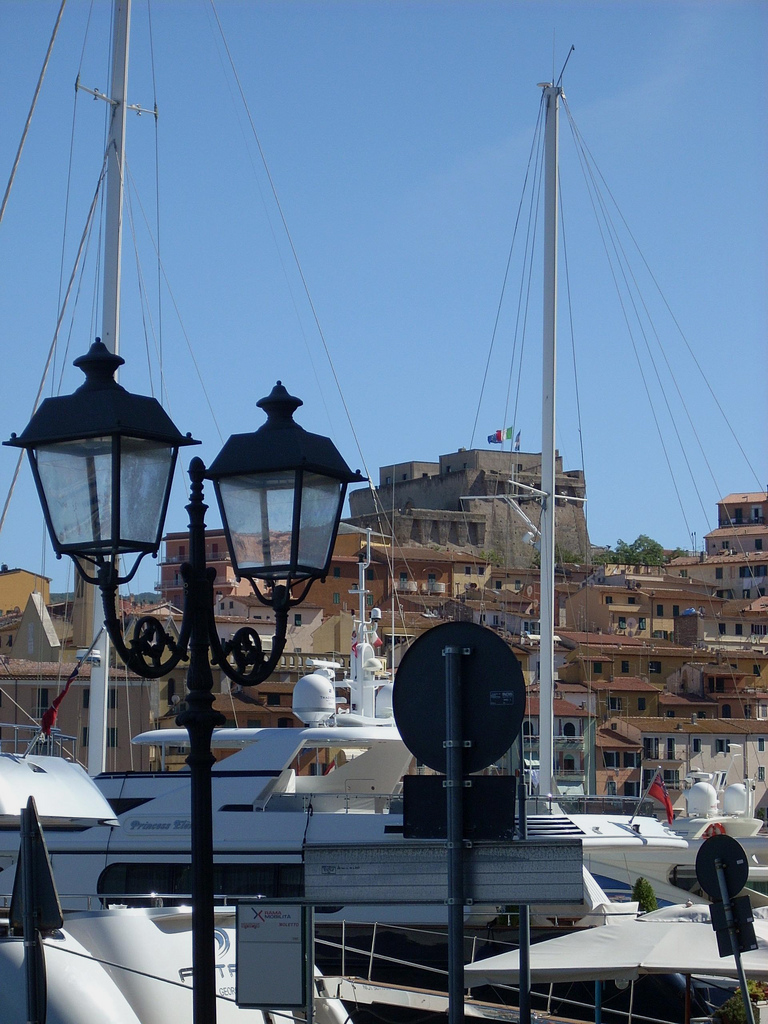 Porto Santo Stefano, definito da molti “la perla dell’Argentario”, si estende su due insenature, Valle e Pilarella, divise da uno sperone chiamaro Croce.
Ville e palazzi risalgono dal mare verso la Panoramica, dove si sviluppa l’ultimo rione, detto la Fortezza per la presenza dell’antico cassero medioevale prima senese e poi spagnolo, ottimamente restaurato e visitabile.
Il pendio è un anfiteatro di case, vigne ed oliveti, ed è rivolto verso il golfo di Punta Madonella.
Il centro abitato inizia con il Porto del Valle, seguito da quello della Pilarella, che in epoca romana costituiva lo scalo da cui salpavano le navi dirette alle ville patrizie del Giglio. Adesso il nuovo Porto del Valle offre buon riparo dai venti di mare che solitamente si abbattono sui porti della costa tirrenica, primo fra tutti il Libeccio, il più irruento e temibile.
D’estate il porto si arricchisce di numerose imbarcazioni di vacanzieri, che si aggiungono alla flottiglia di peschereggi, tra le prime del Tirreno.
Il resto del paese si sviluppò ai primi del Seicento; la costruzione della Fortezza determinò l’immigrazione di pescatori dal meridione e dall’Elba, e l’abitato si estese verso la Punta Madonnella prendendo il nome del patrono. Il Valle è collegato da due strade con il Piazzale dei Rioni, davanti al quale si trova la tranquilla fascia di mare della Pilarella, dove a Ferragosto si svolge il tradizionale palio marinaro, al quale prendono parte tutti e quattro i rioni: Pilarella, Valle, Croce e Fortezza.
La prima delle due strade è il Lungomare dei Navigatori, che segue il perimetro esterno del rione Croce e raggiunge la Pilarella. L’altra via è Corso Umberto, che attraversa poco più a monte lo stesso rione, e che brulica di negozi e ristorantini pittoreschi.
Il Valle si presenta come la zona commerciale ed artigianale, mentre nelle altre contrade si sviluppano maggiormente le attività turistiche.
La strada Panoramica si allontana verso l’alto tra le numerose ville e la Fortezza, costruita nel ‘600, di forma quadrata, con ponte levatoio e muraglia con rinforzi a scarpa in puro stile aragonese e somigliante più ad una torre che ad una vera fortezza. Numerose sono le torri spagnole di avvistamento che circondano la penisola argentarina, silenziose testimoni di una passato militare ed oggi sentinelle delle splendide cale e delle cristalline acque sottostanti.
Alcune di esse sono divenute residenze private, altre, per la loro posizione isolata e scomoda, rimangono disabitate.
Da ricordare la Torre Argentiera, la più antica, che si dice abbia dato il nome all’Argentario stesso: un tempo antica fonderia senese per l’argento, che si narra fosse presente nel promontorio.
Infine immancabile una statua raffigurante il Patrono della cittadina, Santo Stefano, realizzata in terracotta dallo scultore contemporaneo Emilio Greco, situata presso l’altare della chiesa del rione Croce.
Passegiando per Porto Santo Stefano sarete colti dagli odori, i sapori e i colori particolarmente intensi, incantati dalle tante orchidee selvatiche e dalla dorata ginestra.
Porto Santo Stefano, defined by many as “the pearl of the Argentario”, lies on two inlets, Valle and Pilarella, divided by a spur called Croce.
Villas and palaces rise from the sea towards la HGH Panoramica, where the last area of the town rises, called la Fortezza due to the presence of the old medieval fortress which first belonged to Siena and then to Spain.
It has been finely restored and can be visited. The sloping hill is an amphitheatre of houses, vineyards and olive groves, and is turned towards the gulf of Punta Madonella. The town centre starts at Porto del Valle, followed by that of Porto della Pilarella, which in Roman times was the harbour from which ships set sail for the patrician villas of the Isle of Giglio.
Now the new Porto del Valle offers good shelter from the sea winds that usually hit the ports of the Tyrrhenian coast, especially the Libeccio, the most violent and terrible of all. In summer the port is used by numerous holiday boats, which are added to the fleet of fishing boats, one of the largest in the Tyrrhenian Sea.
The rest of the town developed at the beginning of the seventeenth century; the construction of the fortress caused fishermen to come here from the South and from Elba, and the residential area grew towards Punta Madonnella taking the name of the patron saint.
Two roads link the Valle with Piazzale dei Rioni, in front of which lies the calm stretch of sea called the Pilarella, where the traditional sea Palio is held on the 15th August, in which all four quarters take part: Pilarella, Valle, Croce and Fortezza.
The first of the two roads is called Lungomare dei Navigatori and runs along the borders of the Croce quarter to reach Pilarella.
The other road is Corso Umberto which crosses the same quarter a little higher up and is teaming with shops and picturesque restaurants. Valle is the commercial and craft area, while mainly tourist activities are carried out in the other quarters.
The panoramic road goes up into the hills towards the numerous villas and the square Fortress, built in the seventeenth century featuring a drawbridge and walls with escarpments in pure Aragonese style, looking more like a tower than a real and proper fortress.
There are numerous Spanish look-out towers surrounding the peninsula of Argentario, silent witnesses of a military past and today guardians of the splendid coves and the crystal clear water of the sea.
Some of these have become private residences, others, given their isolated and difficult position, are uninhabited. We should mention the Torre Argentiera, the oldest tower that is thought to have given the name Argentario to the peninsula itself: once it was an old Sienese foundry for smelting silver that is thought to have been present on the promontory. Lastly, there is the ever-present statue of the patron Saint of the town, St Stephen, made from terracotta by the contemporary sculptor, Emilio Greco, situated on the altar of the church in the Croce quarter. If you go walking in Porto Santo Stefano you’ll be amazed by the particularly intense fragrances, flavours and colours, and enchanted by the numerous wild orchids and golden juniper trees.
Apr 6, 2012 | Argentario
 Orbetello è unica con il suo centro storico allungato sulla striscia di terra che divide la laguna dal mare.
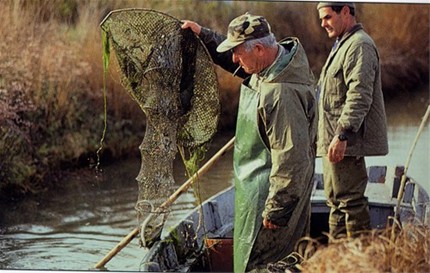
Il paese è terra di pescatori che sono uniti in un’unica cooperativa che governa la pesca nella laguna, 2500 ettari d’acqua divisi a metà dalla diga Leopoldina che collegato Orbetello con Monte Argentario.
E’ un’attività antichissima per la gente di Orbetello la pesca in laguna; attività oggi valorizzata da una vera golosità gastronomica: la bottarga di cefalo (o muggine).
Le sacche ovariche delle femmine di muggine, dopo essere state asportate, lavate, trattate con sale marino ed essicate hanno qui una stagionatura più breve che altrove e questo fa sì che, la bottarga di Orbetello, sia più morbida e meno punente nel sapore rispetto alle altre del Mediterraneo.
Va ricordato che nel mare nostrum, la bottarga (dall’arabo battarikh: uova di pesce salate) è diffusa un po’ ovunque è quella di Orbetello ha origini che ci riportano a quasi 600 anni fa!
Ma la laguna di Orbetello offre, agli amanti dei prodotti ittici altre specialità. I granchi, le orate, i cefali, le spigole e soprattutto, la classicissima anguilla, che qui è un vero simbolo.
La preparazione classica dell’anguilla orbetellese è lo sciabecco, termine che deriva da scabeche, che in spagnolo vuol dire marinata. Retaggio questo della lunga dominazione spagnola.
Ma la laguna di Orbetello è anche uno degli “stagni” europei più ricchi di selvaggina di passo. Sono stati osservati infatti qui, oltre 140 specie di uccelli diversi!Orbetello is unique with its historic centre on the stripe of land that divides the lagoon from the sea.
It’s a village of fishermen who are all members of the one and only cooperative responsible for the fishing activity in the 2500 hectare lagoon divided in half by the Leopoldina dam connecting Orbetello with the Monte Argentario.
The people in Orbetello have been fishing in the lagoon since ancient times and today the activity is valorised by the gastronomic delicatessen: the mullet “bottarga”.
When the ovaries from the female mullets have been removed, washed, treated with marine salt and dried, the ageing process starts, a process that is shorter here compared to the bottarga of other areas in the Mediterranean and for this reason the taste of the Orbetello Bottarga is more tender and delicate.
In the Mediterranean area the bottarga (from the Arabic word battarikh meaning salted hard roe) is very common and in Orbetello its origins goes back to more than 600 years!
But the Orbetello lagoon offers many other specialties as well. Crab and sea bream, mullet, bass and above all the classic eel that has become a real symbol in this area.
The classical recipe of Orbetello eel is the so called sciabecco, a term that comes from the Spanish word scabeche meaning marinade, deriving from the long Spanish domination of the area.
The Orbetello lagoon is also known for its rich wildlife, in fact more than 140 different species of birds have been observed here. The Orbetello “Bottarga”
Orbetello is unique with its historic centre on the stripe of land that divides the lagoon from the sea. It’s a village of fishermen who are all members of the one and only cooperative responsible for the fishing activity in the 2500 hectare lagoon divided in half by the Leopoldina dam connecting Orbetello with the Monte Argentario.
The people in Orbetello have been fishing in the lagoon since ancient times and today the activity is valorised by the gastronomic delicatessen: the mullet “bottarga”.
When the ovaries from the female mullets have been removed, washed, treated with marine salt and dried, the ageing process starts, a process that is shorter here compared to the bottarga of other areas in the Mediterranean and for this reason the taste of the Orbetello Bottarga is more tender and delicate.
In the Mediterranean area the bottarga (from the Arabic word battarikh meaning salted hard roe) is very common and in Orbetello its origins goes back to more than 600 years!
But the Orbetello lagoon offers many other specialties as well. Crab and sea bream, mullet, bass and above all the classic eel that has become a real symbol in this area.
The classical recipe of Orbetello eel is the so called sciabecco, a term that comes from the Spanish word scabeche meaning marinade, deriving from the long Spanish domination of the area.
The Orbetello lagoon is also known for its rich wildlife, in fact more than 140 different species of birds have been observed here.
