Mar 24, 2013 | Arcipelago | Costa degli Etruschi, Argentario, Grosseto, Maremma
 di Simone Focardi – Nella Toscana dei primi del 1700 molti erano i problemi dopo l’estinsione della famiglia Medici che era rimasta senza eredi. La Toscana, venne così assegnata, in un intricato gioco politico ai Lorena, che si ritrovarono così per le mani uno stato in assoluta decadenza… grazie all’inettitudine degli ultimi granduchi di casa Medici.
Il primo Granduca Lorena che prese possesso del nuovo stato, fu Francesco Stefano, sposo dell’Imperatrice d’Austria Maria Teresa, che governò la Toscana attraverso una reggenza. I sudditi toscani dovettero attendere il suo figlio Pietro Leopoldo, per rivedere un inquilino a Palazzo Pitti. Era il 1765.
Ardua fu quindi la situazione che si trovò ad affrontare il giovanissimo Pietro Leopoldo in Toscana. Ma lui da buon austriaco, cresciuto nel rigore non si scoraggio e anzi, si rimboccò le maniche, si mise al fianco un valido gruppo di collaboratori toscani che ben conoscevano i problemi della regione e cominciò a lavorare.
Fra le prime cose che subito capì fosse necessario sistemare per il benessere del suo Granducato, una su tutte era senz’altro la “questione maremmana”.
La provincia agricola più meridionale dello stato che versava in uno stato di autentica rovina e che, come se non bastasse, era infestata dalla mal’aria: Le sue città, alcune un tempo splendide e fiorenti, erano ridotte, specie d’estate, in città fantasma: Sì perché li la gente moriva oppure, era costretta a fuggire per evitare le febbri.
I Lorena presero in mano la situazione. Svolsero vere proprie inchieste sullo stato reale della tragica situazione, si recarono sul campo con esperti di vari settori, si informarono, chiesero agli abitanti come stessero davvero le cose e poi iniziarono ad agire concretamente.
Si doveva risollevare la Maremma! Ma come? Da dove partire? Quali le priorità?
Era più necessario prima permettere la coltivazione e l’abitabilità delle genti o fare opere idrauliche per bonifare l’ambiente? Sicuramente erano necessari anche provvedimenti legislativi ad hoc, che puntualmente arrivarono. I consulti fra esperti si susseguivano freneticamente. Si arrivò alla conclusione che si doveva necessariamente agire simultaneamente in tutte le direzioni. Recuperare l’agricoltura del resto era fondamentale per far ripartire la società perché essa era, per quella provincia, l’unica reale fonte di ricchezza possibile. Il risultato di questo grande fermento messo su dai Lorena ci fu! E fu quello di ridare vita alla Maremma!
Tutt’un insieme di provvedimenti, alcuni di tipo tradizionale, altri invece fortemente innovativi per l’epoca, ma comunque tutti vincenti, riuscirono a ridar vita alla provincia.
Da area depressa ed insalubre e completamente trascurata dai precedenti governi medicei che anzi, l’avevano abbandonata a se stessa con tutti i problemi di spopolamento, di sottoproduzione e di paludismo, la Maremma, divenne una provincia in cui iniziava un lento e faticoso cammino di riavvicinamento al resto dello stato. Il cammino era avviato, il più era stato fatto sia pure con lentezza ma ineluttabile…
Per la Maremma finalmente arrivarono tempi migliori. Furono i Lorena a salvarla anche se molti non lo sanno, furono loro i primi a trasformarla, consegnandola a noi oggi in quello straordinario gioiello che è.
by Simone Focardi – In 1700, after the extinction of the Medici who had no inheritors, many were the problems in Tuscany. In an intricate political game Tuscany was assigned to the Lorraine’s family who inherited a State in absolute decline … thanks to the ineptitude of the last Medici Grand Dukes.
The first Lorraine Grand Duke to take possession of the new State was Francis Stephen, husband of the empress Maria Theresa of Austria, who governed Tuscany through regency.
The Tuscan subjects had to wait his son Peter Leopold to have back a tenant in Palazzo Pitti. It was 1765.
The young Peter Leopold had to face a hard situation in Tuscany. As a good Austrian, grown in the rigour, he didn’t lose heart and, on the contrary, rolled up his sleeves, found a helpful team of Tuscan collaborators who knew well the problems of the region. He started then to work.
Among the first things, he understood immediately it was necessary to work out the “Maremma matter”, for the well-being of his grand dukedom.
The most southern agricultural province was in a state of real ruin and, as it were not enough, was infested by the bad air; local towns, some once beautiful and flourishing, were a sort of ghost towns: people either died or left to avoid the fevers.
The Lorraine’s took matters into their own hands. They carried out inquiries to know concretely the tragic situation; they went over there with experts in several sectors, gathered information, asked the dwellers about the real situation and then started to work actively.
They had to turn around the Maremma! But how? Where to start from? Which priorities?
Was it necessary first to allow people to cultivate and live there, or to carry out water works to drain the area? Certainly an ad hoc legislation was needed and was punctually promulgated. Consultations among experts followed one another frantically. The conclusion was that it was necessary to act in all directions at the same time. Recovering the agriculture was essential to make the society restart again, because in that area it was the only possible resource. This great turmoil set up by the Lorraine gave its result! And it was the new life of Maremma!
This cluster of measures, some traditional and some very innovating for that time, but in any case all successful, managed to make the area revive.
From a depressed and unhealthy area completely neglected by the previous governments of Medici, who leaved it aside with its issues of depopulation, under-production and paludism, the Maremma became a province that slowly and in a laboured way was re-approaching to the rest of the State. The beginning was set, the main thing was done: although slow, it was ineluctable…
Better times came for Maremma. The Lorraine saved it and, although many people don’t know it, they were the first to transform it in the marvellous jewel it is today.
Mar 22, 2013 | Arcipelago | Costa degli Etruschi, Arezzo, Argentario, Arte e cultura, Casentino, Chianti Classico, Città del Tufo | Colline Metallifere, Crete Senesi, Da non perdere, Eventi, Firenze, Garfagnana, Grosseto, Litorale pisano, Livorno, Lucca, Lunigiana, Maremma, Massa Carrara, Montagna Pistoiese, Montalbano, Monte Amiata, Monti Pisani, Mugello | Val di Sieve, Pisa, Pistoia, Prato, San Gimignano, Siena, Val Bisenzio, Val d'Elsa | Empolese, Val d'Elsa | Val di Merse, Val d'Orcia | Val di Chiana, Val di Cecina, Val di Cornia, Val Tiberina, Valdarno, Valdarno | Valdera | Colline Pisane, Valdinievole, Valle del Serchio | Piana Lucchese, Versilia
 di Nadia Fondelli – Con la primavera torna un appuntamento speciale per conoscere luoghi insoliti del nostro paese. Per persone curiose che amano farsi coinvolgere con cuore e mente ecco l’edizione 2013 delle Giornate Fai di Primavera in programma sabato 23 e domenica 24 marzo.
Vita, storie e leggende. Scrigni d’arte preziosi, opere d’arte che si svelano, giardini incantati… Sono oltre 700 i luoghi italiani, spesso inacessibili e per l’occasione eccezionalmente a disposizione del pubblico, con visite a contributo libero: chiese, palazzi, aree archeologiche, ville, borghi, giardini; persino caserme, centrali idroelettriche e un osservatorio astronomico.
Anche in Toscana basta scegliere: a Firenze ad esempio sarà possibile scoprire la Cappella Ruccellai, l’Istituto di scienze militari aereonautiche delle Cascine, il palazzo Portinai Salviati, il giardino di Villa Corsini a Castello e villa La Quiete alle Montalve.
Il Forte delle Rocchette a Castiglion della Pescaia in Maremma solitamente chiuso al pubblico è imperdibile così come i sotterranei delle mura di Lucca e lo splendido teatrino di Vetriano.
In provincia di Pisa toglierà il fiato la visita alla rocca della Verruca e a Pistoia la gipsoteca Libero Andreotti. Infine, in provincia di Siena bellissimo il tuffo nel passato proposto da Poggibonsi con la fortezza del Poggio Imperiale, il cassero, i bastioni e gli scavi archeologici e Staggia senese con la sua rocca.
Tutti i luoghi sono visitabili con viste guidate ed alcuni anche in lingue stranieri. Per l’elenco completo dei luoghi e per sostenere il Fai www.giornatafai.it
by Nadia Fondelli – With the spring valium for dogs back a special event to learn about unusual places of our country. For curious people who like to get involved with heart and mind, here is the 2013 edition of the Days Make Spring on Saturday 23 and Sunday 24 March.
Life, stories and legends. Precious art treasures, works of art that are revealed, enchanted gardens … There are more than 700 places Italians, often inaccessible and for the occasion exceptionally available to the public, with visits to free contribution: churches, palaces, archaeological sites, villas, villages, gardens, even barracks, hydroelectric and an astronomical observatory.
Even in Tuscany Just choose: in Florence, for example, you will discover the Chapel Ruccellai, the Institute of Aeronautical Sciences Military delle Cascine, the palace caretakers Salviati, the garden of Villa Corsini at Castello and Villa La Quiete to Montalve.
The Fort Rocchette in Castiglione della Pescaia in Maremma usually chiuo to the public is a must as well as the basement walls of Lucca and the splendid theater of Vetriano.
In the province of Pisa take your breath away visit to the Verruca Pistoia and the plaster casts Libero Andreotti. Finally, in the province of Siena, the beautiful blast from the past brought to Poggibonsi with the fortress of Poggio Imperiale, the keep, the ramparts and the archaeological excavations and Staggia Siena with its fortress.
All locations can be visited with guided tours and some even in foreign languages. For a full list of the places and to support the Make www.giornatafai.it
Mar 6, 2013 | Eventi, Grosseto, Monte Amiata
 di Nadia Fondelli -L’appuntamento è per domenica10 marzo, partendo e tornando da Piazza del Popolo di Semproniano. Un’ottima occasione per scoprire un angolo affascinate e poco noto di Toscana.
Quattro ore di passo adatto ad escursionisti di basso e medio livello per immergersi in un mondo fatto di natura, castelli e leggende.
L’itinerario organizzato e condotto dalla guida escursionistica-ambientale Carla Gae parte dal cuore del borgo medievale di Semproniano in Val d’Albegna e da qui si dirge verso l’antica pieve che si trova poco distante dal centro storico.
Una via che, attraverso una strada poderale porta ad tagliare gli oliveti del Paradisone e dopo aver attraversato la macchia saremo già alle porte del Castello dei Templari Rocchette di Fazio.
Sarà affascinante entrare fra il silenzio della natura nella porta del castello ce si presenta ancora pressoché intatto e arroccato su uno sperone roccioso che si affaccia sulle strette del Fiume Albegna con una panoramica d’eccezione su tutta l’Alta Valle dell’ Albegna fino alle Gole dell’Albegna presso Roccalbegna.
Diverse teorie suggeriscono la frequentazione stabile del Castello da parte dei Cavalieri dell’Ordine del Tempio. Oltre il supporto offerto da diverse incisioni – come la croce del Tempio della Pieve di Santa Cristina – potrebbe convalidare la tesi il fatto che il Castello delle Rocchette si trovi lungo la direttrice principale segnata dal Fiume Albegna, seguita dai pellegrini che provenivano dall’Abbazia di San Salvatore sull’Amiata diretti al porto di Talamone per imbarcarsi sulla rotta di Gerusalemme.
L’ Anello, che per la visita al borgo si arricchisce di intriganti racconti sui misteriosi Cavalieri del Tempio e interpretazione dei segni del loro passaggio presenti negli edifici ecclesiastici, è molto affascinante anche dal punto di vista naturalistico per le panoramiche e suggestivi scorci che offre lungo strade vicinali e mulattiere.
Prima di far ritorno a Semproniano – da dove parte l’itinerario – con una breve deviazione potremo affacciarci sul Fiume Albegna presso il Mulino Piccolomini, miracolosamente intatto dopo secoli di abbandono.
L’escursione può essere effettuata anche in altra data su prenotazione Il pranzo è previsto al sacco a carico dei partecipanti con possibilità di pranzo presso Osteria (Rocchette di Fazio) previa prenotazione.
Informazioni e prenotazioni: www. carlagae.comby Nadia Fondelli – The appointment is for domenica10 March, leaving and returning from Piazza buy valium no prescription del Popolo to Semproniano. A great opportunity to discover a fascinating and little-known corner of Tuscany.
Four hours of step suitable for hikers of low and medium level to immerse themselves in a world of nature, castles and legends.
The itinerary organized and conducted by the hiking guide and environmental Carla Gae from the heart of the medieval village of Semproniano in Val d’Albenga and from here you dirge to the ancient church which is located not far from the historic center.
A way that, through a private road leads to cut the olive groves of Paradisone and after passing through the bush we are already at the gates of the Castle of the Knights Templar Rocchette di Fazio.
It will be fascinating to enter among the silence of nature in the door of the castle there still appears intact and perched on a rocky outcrop overlooking the narrow River Albegna with an overview of exception of the Upper Valle dell ‘Albegna up to the Gorges dell’Albegna at Roccalbegna.
Several theories suggest attendance stable of the Castle by the Knights of the Order of the Temple. Besides the support offered by a number of recordings – such as the cross of the Temple of the Church of Santa Cristina – could substantiate the thesis that the Castle of Ronchette is along the main route marked by the River Albegna, followed by the pilgrims who came from the Abbey of San Salvatore Amiata to the port of Telamon to embark on the route of Jerusalem.
The ‘Ring, which for the visit to the village is enriched with intriguing stories about the mysterious Knights Templar and interpretation of the signs of their passage in the present church building is very attractive from the point of view of nature for scenic and picturesque spots offering long local roads and trails.
Before returning to Semproniano – where part of the route – a short detour, we can lean out at the Mill on the River Albegna Piccolomini, miraculously intact after centuries of neglect.
The trip can also be done at a later date on book packed lunch is provided by the participants with lunch at Osteria (Rocchette di Fazio) upon reservation.
Information and reservations: www. carlagae.com
Feb 10, 2013 | Arcipelago | Costa degli Etruschi, Arezzo, Eventi, Pistoia, Valdarno, Versilia
 di Stefania Pianigiani – Arriva il Carnevale e Viareggio si trasforma. Anzi i viareggini si trasformano. Non è facile capire cosa succede a Carnevale, per chi non vive in questa città.
Humor sottile e voglia di divertirsi si avvertono a tutte le età e scatta un meccanismo di autoironia che diventa il filo conduttore di maschere e gruppi. I viareggini con maestria e cura, preparano gli abiti e il copione delle loro mascherate, riversandosi in massa in passeggiata e sui viali a mare. Altra particolarità di Viareggio, è che ogni sabato, precedente al corso mascherato della domenica, ogni rione, fa la propria festa: musica, cibo di strada, frittura, tortelli e gnocchetti di pesce accompagnano la lunga notte nei rioni. Il primo rione a cominciare la festa, è “Torre del Lago”, seguito dal rione “Marco Polo”, poi arriva il turno della “Vecchia Viareggio” e conclude il rione “Baccanale Darsena”.
Il Carnevale a Viareggio, comincia con la cerimonia di apertura, dove si consegnano le chiavi della città a Burlamacco, e l’ultimo corso chiude con spettacolari fuochi d’artificio.
Poco distante, troviamo il “Carnevale Pietrasantino”, con la maschera simbolo che si chiama “Sprocco”. E’a partire dai primi anni del novecento, che si svolgono sfilate in maschera a Pietrasanta, e col tempo i corsi mascherati, si sono arricchiti di un altro importante evento “Lo Sprocco d’Argento”: festival che elegge la canzone regina del Carnevale.
Nel Valdarno, precisamente nella ridente cittadina di San Giovanni, i suoi abitanti, oltre a fare uno squisito “stufato alla sangiovannese”, con tanto di ricetta segreta, sono anche unici nel festeggiare il Carnevale. Gli Uffizi di Carnevale, è infatti una manifestazione unica nel suo genere: nell’Oratorio di Santa Maria delle Grazie, le sette compagnie di suffragio, organizzano ricchi pranzi a base di specialità locali, preceduti dalla sfilata del carroccio con i paggetti in costume.
I cinque “Uffizi” che tuttora sopravvivono sono: Sant’Antonio, Santa Lucia, quello “dell’Industria”, quello del “Vicariato” e quello delle “Donne”.
Spostandoci nell’aretino, una nota di merito va al “Carnevale dei “Figli di Bocco”: tutto nasce da un antico documento datato 1174, dove si narra di grandi festeggiamenti prima dell’inizio della quaresima, con balli e libagioni, dove signori e bifolchi, festeggiano insieme.
I figuranti, indossano meravigliosi costumi e bellissime maschere e sfilano per le vie del borgo, accompagnati da musici, sbandieratori e tamburini.
Un altro Carnevale toscano molto famoso è quello di Foiano della Chiana: la sua esistenza è documentata in uno Statuto del 1539, e tale documento fa si che questo Carnevale sia il più antico d’Italia.
Ad aprire le sfilate dei quattro quartieri del paese è “Re Giocondo”, che verrà bruciato durante la cerimonia della “Rificolona” e della lettura del testamento.
Ma la Toscana, si conferma la regione regina dei carnevali fantasiosi sia per il nome che per i costumi: ad Arezzo è rinomato il “Carnevale dell’Orciolaia”, a Ponte a Buggiano (Pistoia) c’è quello dei golosi, a Bibbiena (Arezzo), quello della “Mea”.
E anche la costa organizza sfavillanti corsi in maschera, come il “Carnevale del Mare” a San Vincenzo, “Il Baraonda” a Rosignano Solvay e il “Carnevale di Follonica”.by redaction HGH – Viareggio Carnival arrives and turns. Indeed the Viareggio turn. It is not easy to understand what happens during Carnival, for those who do not live in this city.
Subtle humor and desire to have fun, you will hear all ages and takes a mechanism of self-irony that becomes the theme of masks and groups. The Viareggio with skill and care, prepare clothes and the script of their masked, pouring in mass walk and walks along the sea. Another peculiarity of Viareggio, is that every Saturday, Sunday masked prior to the course, each district makes its festival: music, street food, fry, ravioli and gnocchi fish accompany the long night in the wards. The first district to start the party, is “Torre del Lago”, followed by the district “Marco Polo”, then comes the turn of the “Old Viareggio” and concludes the district “Bacchanal Dock”.
The Carnival in Viareggio, begins with the opening ceremony, where you hand over the keys of the city to Burlamacco, and the last course ends with a spectacular fireworks display.
Nearby, there is the “Carnival Pietrasanta” with the mask symbol called “Sprocco.” E’a since the early years of the twentieth century, taking place in Pietrasanta dress parades, masked and in time, we are enriched by another important event “The Sprocco Silver” festival which elects the song Queen of the Carnival .
In Valdarno, specifically in the small town of St. John, its inhabitants, as well as make a delicious “stew sangiovannese”, complete with a secret recipe, they are also unique in celebrating Carnival. The Uffizi Carnival, is indeed a unique event of its kind: the Oratory of Santa Maria delle Grazie, the seven companies suffrage, lavish meals based on local specialties, preceded by a parade of carroccio with pageboy costume.
The five “Uffizi” that still survive are: Saint Anthony, Saint Lucia, the “Industry”, that of “vicariate” and that of “Women”.
Moving nell’aretino, a note of credit goes to the “Carnival of the” Sons of Bocco “everything comes from an ancient document dated 1174, which tells of a great celebration before the beginning of Lent, with dancing and drinking, where lords and peasants, celebrating together.
The participants, wearing beautiful costumes and beautiful masks and parade through the streets of the village, accompanied by musicians, flag bearers and drummers.
Another very famous Tuscan Carnival is to Foiano della Chiana: its existence is documented in a statute of 1539, and this document makes this Carnival is the oldest in Italy.
To open the parade of four districts of the country is “Re Giocondo,” which will be burned during the ceremony of the “Rificolona” and the reading of the will.
But Tuscany, is still the region queen of carnival fancy Both the name and for the costumes in Arezzo is the famous “Carnival dell’Orciolaia” Bridge to Buggiano (Pistoia) is that of a sweet tooth, in Bibbiena ( Arezzo), that of “Mea”.
And the coast organizes courses in sparkling form, as the “Carnival of the Sea” in San Vincenzo, “The Uproar” Rosignano Solvay and the “Carnival of Follonica”.
Feb 10, 2013 | Arezzo, Argentario, Casentino, Chianti Classico, Città del Tufo | Colline Metallifere, Crete Senesi, Eventi, Firenze, Garfagnana, Grosseto, Litorale pisano, Livorno, Lucca, Lunigiana, Maremma, Massa Carrara, Montagna Pistoiese, Montalbano, Monte Amiata, Monti Pisani, Mugello | Val di Sieve, Pisa, Pistoia, Prato, San Gimignano, Siena, Val Bisenzio, Val d'Elsa | Empolese, Val d'Elsa | Val di Merse, Val d'Orcia | Val di Chiana, Val di Cecina, Val di Cornia, Val Tiberina, Valdarno, Valdarno | Valdera | Colline Pisane, Valdinievole, Valle del Serchio | Piana Lucchese, Versilia
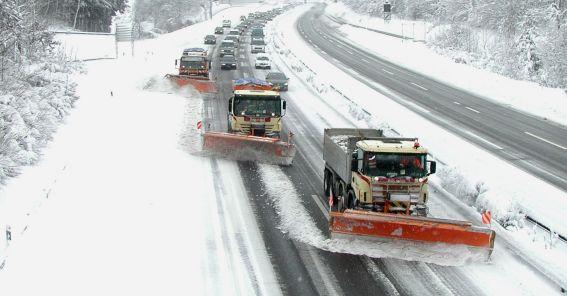 di Massimo Pieraccini – Previsioni meteo
Le precipitazioni nevose e le ghiacciate sono eventi atmosferici non sempre prevedibili con esattezza, ma oggi grazie ai moderni strumenti di previsione sono identificabili con più precisione per cui si consiglia tutti d’informarsi sempre sulle previsioni meteo locali e di seguire le possibili allerte comunicate della Protezione Civile la cui sala operativa è sempre attiva 24 ore su 24 (tel. 800 840 840).
Tutte le eventuali allerte le potrete trovare sempre aggiornate anche in rete sulla nostra pagina Facebook “Nucleo Operativo Protezione Civile”.
Cosa fare per la propria auto
All’approssimarsi dei mesi invernali è buona norma effettuare i seguenti controlli tecnici alla propria auto:
verificare che i tergicristalli siano perfettamente a filo con la superficie da liberare dall’acqua;
controllare la batteria che con il freddo corre il rischio di scaricarsi;
mettere l’antigelo nel radiatore e nel liquido per pulire i parabrezza;
se si intende viaggiare frequentemente su strade innevate è opportuno sostituire i pneumatici tradizionali con quelli specifici per la neve che hanno mescole più adatte al freddo e disegni capaci di assicurare una migliore aderenza.
Le catene da neve devono comunque essere sempre pronte all’uso, perché in presenza di neve abbondante i pneumatici invernali potrebbero non essere sufficienti. Inoltre l’inosservanza di questo consiglio potrebbe costare una multa: attenzione, i controlli sono già iniziati con le prime sanzioni elevate. Le catene devono essere utilizzate solo sulle strade coperte di neve per non correre il rischio di danneggiarle, compromettere la sicurezza di guida e non rischiare guasti agli organi di assetto.
Cosa fare per la viabilità
In auto oltre ad essere obbligatorio l’uso di pneumatici da neve o catene è consigliato tenere sempre a portata di mano un paio di guanti da lavoro e il montaggio delle catene deve essere sempre provato prima del verificarsi della situazione d’emergenza.
Durante l’evento nevoso non aspettare mai a montare le catene da neve quando si è già in condizioni di difficoltà specie se si devono affrontare percorsi con presenza di salite e discese anche di modesta pendenza.
Evitare di proseguire nel viaggio se non si ha un minimo di pratica di guida sulla neve e se ci si sente in difficoltà o non si ha il corretto equipaggiamento. Parcheggiare la propria auto in sicurezza sul lato della strada e a piedi trovare un rifugio idoneo.
Non abbandonare l’auto in condizioni che possono costituire impedimento alla normale circolazione degli altri veicoli ed in particolare dei mezzi operativi e di soccorso.
Aiutare le persone in difficoltà e non esitare a richiedere aiuto in caso di necessità, o meglio in caso di dubbio se non siete perfettamente sicuri su come fare per montare le catene, per posteggiare l’auto anche all’interno di proprietà private, per avere consigli ed indicazioni, etc.
Preferire sempre, per quanto possibile, l’utilizzo dei mezzi pubblici e non utilizzare mai i veicoli a due ruote.
Indossare abiti e soprattutto calzature idonee all’eventualità di sostenere spostamenti a piedi.
Cosa fare se vi trovate bloccati in auto in mezzo a un ingorgo
Se vi trovate bloccati nel mezzo di un ingorgo stradale siccome non sapete quanto potrà durare fate attenzione a quanto carburante avete in macchina e se il serbatoio è meno di un quarto non tenete costantemente il motore acceso, ma alternate accensione e spegnimento in ragione di 10 minuti di accensione e 30 di spegnimento per mantenere il motore e l’abitacolo in temperatura.
In questi casi l’autoradio è una risorsa preziosa, stiamo cercando di attivare un network di radio locali che in caso di emergenza siano disponibili a dare informazioni sulle condizioni della viabilità e consigli su eventuali percorsi alternativi.
Non attaccatevi al cellulare chiamando tutti per informarli della vostra disavventura o chiedere aiuto perchè non sapete quanto dovrete stare nella situazione in cui vi trovate e spesso i numeri di emergenza sono intasati; risparmiate la batteria del vostro cellulare, può essere determinante. Individuate una persona a casa o in ufficio che faccia per voi da tramite chiamando la polizia stradale, la Protezione Civile e il Comune per avere informazioni e fare eventuali richieste di aiuto. Usando il cellulare solo per parlare col vostro tramite allungherete la durata delle vostre batterie e la possibilità di restare in contatto.
Qualora dobbiate fare delle richieste di aiuto urgenti siate pronti a fornire i seguenti dati: strada in cui vi trovate (esempio: Autostrada A1 oppure SGC oppuree FIPILI) nel caso non conosciate il nome della strada almeno cercate di sapere indicare i nomi delle uscite più prossime e la direzione che state percorrendo (esempio: da Firenze nord verso sud, oppure Superstrada tra Empoli e Montopoli in direzione Pisa).
Cosa fare a casa
Si consiglia a tutti di fornirsi di un’adeguata e idonea scorta di sale da utilizzare per la viabilità privata (anche pedonale) e per gli eventuali marciapiedi esterni; di dotare ogni stabile (organizzandosi fra condomini) di un’attrezzatura minima come badili e pale da neve.
E’ necessario che infatti in caso di ghiacciate e nevicate per tutelare l’incolumità pubblica tutta la cittadinanza s’impegni a rimuovere neve e ghiaccio davanti alle proprie abitazioni e esercizi commerciali, pulire la cunetta stradale, liberare caditoie e tombini per agevolare il deflusso delle acque, spargere un adeguato quantitativo di sale se è previsto gelo, aprire varchi in corrispondenza degli attraversamenti pedonali ed incroci stradali, abbattere eventuali lame di neve e ghiaccio pendenti da tetti cornicioni e grondai e rimuovere le autovetture parcheggiate a bordo strada per permettere di liberare le carreggiate.
Tutto questo non è solo dovere civico di ogni cittadino, ma un preciso obbligo del regolamento di polizia municipale che non tutti conoscono!
In caso sia necessario muoversi a piedi prestando attenzione che dai tetti o dai cornicioni non ci sia pericolo di caduta di cumuli di neve, specie nei giorni successivi alla nevicata durante il disgelo sono frequenti le cadute di cumuli dai tetti.
Come utilizzare correttamente il sale
Il sale può essere usato solo per intervenire su formazioni di ghiaccio di limitato spessore.
E’ consigliabile quindi, intervenire preventivamente con salature laddove ci siano preavvisi di formazione di ghiaccio tenendo presente che il sale non produce nessun effetto in presenza di eccessivi spessori e/o in presenza di temperature troppo rigide (inferiori a -10°).
In caso di forti nevicate in atto togliere, prima di spargere il sale, quasi completamente la neve.
Il quantitativo di sale da spargere deve essere proporzionale allo spessore da sciogliere: esempio con un chilogrammo di sale si possono trattare 20 metri quadrati di superficie. Quantità superiori potrebbero danneggiare le pavimentazioni.
E’ doveroso ricordare che è sempre megllio utilizzare il sale specifico per disgelo e solo in caso di stretta necessità si può utilizzare il sale grosso da cucina.
Non usare mai acqua per eliminare cumuli di neve e ghiaccio soprattutto se su di essi è stato precedentemente sparso il sale.
Come proteggere la propria rete idrica
E’ bene all’approssimarsi della stagione più fredda prendere le giuste informazioni dal gestore del servizio idrico sulle misure da adottare per la protezione della rete idrica da possibili ghiacciate. Comunque sia è sempre opportuno proteggere il contatore da possibili ghiacciate, utilizzando materiali isolanti e in casa quando le temperature scendono sotto i -5° tenete costantemente aperto un flusso di acqua da almeno uno dei rubinetti.
by Massimo Pieraccini –Forecast
Snowfall and icy weather events tramadol toothache are not always predictable with accuracy, but today thanks to modern forecasting tools can be identified more precisely why you should always be fully aware of all local weather and follow the possible alerts sent Protection Civil whose operations room is always open 24 hours 24 (tel. 800 840 840).
All possible alerts you can always find the latest in a network on our Facebook page “Operational Unit Civil Protection”.
What to do for your car
As we approach the winter months it is advisable to carry out the following engineering controls to your car:
verify that the wipers are perfectly flush with the surface to be free from water;
check that the battery with the cold runs the risk of discharge;
put the antifreeze in the radiator and liquid to clean the windshield;
if you plan to travel frequently on snow tires should be replaced with conventional ones specific to the snow that compounds more suitable for cold and designs that ensure a better grip.
Snow chains must always be ready for use, because in the presence of abundant snow winter tires may not be enough. In addition, failure to comply with this advice could cost you a fine: attention, controls have already begun with the first high penalties. The chains must only be used on snow-covered roads to avoid the risk of damage, impair driving safety and to avoid damage to the organs of attitude.
What to do for the road
Drive as well as being mandatory to use snow tires or chains is recommended to always keep on hand a pair of work gloves and the use of snow chains should always be tried before the occurrence of the emergency situation.
During the event snowy never wait to mount snow chains when you are already in difficulty especially if you have to face the presence of paths with ascents and descents too small slope.
Do not go on the trip if you have a bit of practice driving on snow and if you feel stuck or do not have the proper equipment. Park your car safely on the side of the road and walk to find a suitable shelter.
Do not leave your car in the conditions that may obstruct the normal flow of other vehicles and in particular of operational resources and emergency.
Helping people in need and do not hesitate to ask for help when needed, or rather if in doubt if you are not completely sure on how to mount the chains to park your car even within private property, for advice and information, etc..
Always preferable, where possible, the use of public transport and never use the two-wheeled vehicles.
Wear appropriate footwear and especially the possibility to support walking.
What to do if you find yourself stuck in the car in the middle of a traffic jam
If you find yourself stuck in the middle of a traffic jam because you do not know for how long, be careful how much fuel you have in the car and if the tank is less than a quarter do not constantly keep the engine running, but alternate on and off at a rate of 10 minutes Ignition and 30 off to keep the engine and the passenger compartment in temperature.
In these cases, the radio is a valuable resource, we are trying to activate a network of local radio in case of emergency are available to give information on traffic conditions and advice on possible alternative routes.
Do not get attached to the phone calling everyone to let them know of your misfortune or ask for help because you do not know what you need to be in a situation where you are and often emergency numbers are clogged, save the battery of your phone, can be decisive. Identify a person at home or in the office to do for you by calling from the traffic police, Civil Defence and the Municipality for information and make any requests for help. Using the phone just to talk through with your lengthen the life of your batteries and the ability to stay in touch.
If you need to make urgent requests for help, be prepared to provide the following information: the street where you are (eg: A1 or SGC FIPILI or and) if you do not know the name of the road at least try to know the names of the outputs indicate closer and the direction you are traveling (eg from Florence north to south, or highway between Empoli and Pisa Montopoli in direction).
What to do at home
We recommend all to be equipped with an adequate and appropriate supply of salt to be used for private roads (including pedestrian) for any sidewalks external to equip each building (organizing among condominiums) minimum of equipment such as shovels and wheel Snow.
And ‘in fact necessary in the event of ice and snow to protect public safety all citizens to undertake to remove snow and ice in front of their homes and businesses, clean the gutter road, clear drains and manholes to facilitate the flow of water, spread an appropriate amount of salt if frost is expected, open gates at pedestrian crossings and intersections, break down any blades in snow and ice hanging from roof eaves and grondai and remove cars parked at the roadside to allow the free roadways.
This is not only a civic duty of every citizen, but a precise obligation of the Rules of the municipal police that not everyone knows!
If you need to walk around making sure that the roof or the eaves there is no danger of falling snow drifts, especially in the days after the snowfall during the thaw are frequent drops in heaps from the rooftops.
How to properly use the salt
The salt can be used to act only on ice formations of limited thickness.
E ‘therefore advisable to take preventive action by salting where there are notices of ice formation bearing in mind that the salt does not produce any effect in the presence of excessive thickness and / or in the presence of too rigid temperatures (below -10 °).
In the event of heavy snowfall in place to remove, before shedding the salt, almost completely snow.
The amount of salt to be spread must be proportional to the thickness to be solved: an example with one kilogram of salt can treat 20 square meters. Larger quantities can damage the flooring.
It ‘important to remember that it is always megllio use salt specifically designed to thaw and only when strictly necessary, you can use the coarse salt.
Never use water to remove accumulated snow and ice on them especially if it was previously scattered salt.
How to protect your water supply
And ‘well the approach of the cold season to make the right information from the manager of water services on measures to be taken to protect the water supply from possible ice. However it is always advisable to protect the meter from being frozen, using insulating materials and in house when temperatures fall below -5 ° keep constantly open to a flow of water for at least one of the taps.
Dic 17, 2012 | Arezzo, Arte e cultura, Eventi, Firenze, Grosseto, Lucca, Massa Carrara, Pisa, Pistoia, Siena
 di redazione – Tradizionali, meccanici, viventi, ma comunque particolari. Ecco per voi una selezione di presepi in ogni angolo della Toscana che vale la pena scoprire.
Provincia Firenze
Firenze
Per il secondo anno, sul sagrato della cattedrale di Firenze viene realizzato un bellissimo e stupefacente presepe con statue in terracotta, a grandezza naturale, raffiguranti la Sacra Famiglia.
Il presepe è collocato sul lato opposto al campanile di Giotto, vicino al grande Albero di Natale della città di Firenze, dove rimarrà fino all’Epifania, quando, in occasione della “Cavalcata dei Magi”, le figure in terracotta della Sacra Famiglia saranno sostituite da persone e animali viventi.
Le statue sono pezzi unici realizzati a mano, a tutto tondo, dall’artigiano Luigi Mariani della storica fornace imprunetana di Angiolo Mariani e figli, la M.i.t.a.l., che ha voluto donarle all’Opera di Santa Maria del Fiore. Questo tipo di sculture si inseriscono nell’antica tradizione fiorentina della lavorazione della terracotta che, in ambito artistico, è nata a Firenze agli inizi del Quattrocento col recupero di questa antica tecnica da parte di Donatello e Brunelleschi.
San Giovanni Valdarno
Alla Basilica SS Maria delle Grazie di San Giovanni Valdarno, c’è “Natale nel Mondo”: una mostra permanente di presepi.
Quest’anno la mostra è arrivata alla sua 9° edizione ed è dedicata alla “4° Biennale d’Arte Presepiale” con omaggio a Benozzo Gozzoli e alla sua “Cavalcata dei Magi” con la presenza di numerosi artisti. Fino a 6 gennaio 2013
Palazzuolo sul Senio
Una mostra da non perdere: tra uno stand e l’altro si possono ammirare, fino all’ Epifana, i presepi della mostra “1000 presepi a Palazzuolo” un‘apposita mappa conduce il turista negli angoli più belli e caratteristici del paese, adornati da presepi.
Provincia di Arezzo
Cortona
Da non perdere il Presepe vivente a Pietraia, 9 km da Cortona.
Un evento apprezzato e seguito da un pubblico sempre più numeroso che viene allestito all’aperto nel boschetto dietro alla Chiesa di San Leopoldo ed è visitabile solo durante i giorni festivi durante il periodo delle vacanze natalizie, dal 24 dicembre al 6 gennaio.
In passato ha accolto anche la partecipazione di figuranti di religione musulmana ed ebrea, donandogli una componente multietnica e diffondendo un spirito del Natale cristiano che va oltre le barriere religiose e culturali.
Provincia di Grosseto
Gavorrano
Farà bella mostra di sé per tutte le festività natalizie (da Natale all’Epifania) il Presepe Monumentale che, ormai da oltre sessant’anni viene organizzato nella Chiesa di S.Antonio nel centro storico di Caldana, frazione del Comune di Gavorrano.
Il presepe ogni anno ha un tema specifico, stabilito dal Parroco che ne fa variare le scenografie. Sono venticinque statue in legno di grandi dimensioni (raggiungono i novanta centimetri di altezza), realizzate in maniera pregevole da maestri intagliatori del legno di Ortisei, sulle Dolomiti, nel lontano 1939.
Provincia di Lucca
Antro del Corchia
Anche quest’anno, per tutto il periodo delle festività natalizie nella famosa cavità carsica dell’Alta Versilia è “…e vieni in una grotta…! Un appuntamento con la magia e la tradizione del Presepe riproposte in uno scenario unico.
La particolarità di questa edizione è il 1° Concorso “Presepi in Grotta” dedicato alle Scuole, che esporranno le loro opere lungo l’intero percorso turistico dell’Antro, che si snoda per circa due chilometri di gallerie naturali e condotti carsici.
Visitabile a dicembre nei giorni 22, 26, 27, 28, 29, 30, 31 (alle ore 11.00 e 15.00); nei giorni 23 ore (10.00, 12.00, 14.00 e 16.00); nel giorno 24 (alle ore 11.00 e 13.00). A gennaio nei giorni 2, 3, 4, 5 (alle ore 11.00 e 15.00); nel giorno 6 (gli orari saranno 10.00, 12.00, 14.00 e 16.00).
Si ricorda che i posti sono limitati e che è quindi consigliata la prenotazione telefonica al numero 0584-778405 attivo tutti i giorni dalle 9.30 alle 13.00. Maggiori info su www.antrocorchia.it.
Stazzema
Torna la magia del Presepe Animato Versiliese, a Querceta.
Quest’anno, l’appuntamento vedrà una doppia versione anche notturna.
Il 6 gennaio arrivo dei Re Magi a cavallo (ore 15,45), con protagonisti come figuranti i portatori di handicap che fanno parte dell’associazione e ancora il 5 gennaio (dalle 21 alle 24), per la prima volta, il Presepe in Notturna.
Pescaglia
Fino al 13 gennaio 2013, l’antico borgo di Pescaglia s’illumina delle luci del presepe con il tipico e unico allestimento di scene di presepe, all’interno delle marginette, edificate tra il XVI e il XVII secolo, lungo il percorso, che dalla chiesa parrocchiale conduce al Santuario della Madonna delle Solca.
Villa Collemandina
In località Sassorosso da non perdere i presepi nelle vie del borgo fino all’Epifania.
Piccoli presepi allestiti fra le antiche vie del borgo dagli abitanti
Coreglia Antelminelli
Fino al 6 gennaio “Coreglia terra di Presepi”.
Tanti presepi allestiti nelle vie e nelle piazze con apertura straordinaria del Museo della figurina di gesso e dell’emigrazione
Equi Terme
Giunto alla XXV edizione, il presepe vivente di Equi Terme si svolge nello scenario del solco di Equi, accanto all’entrata delle grotte e per le vie del borgo. Dalle strette vie del paese, nei fondi trasformati in botteghe artigianali il percorso si sviluppa verso il Solco e il torrente Fagli creando con il rumore dell’acqua un’atmosfera molto suggestiva che porta verso la grotta della Natività, posta all’ingresso delle grotte. Il percorso dura 30-40 minuti.
Durante la visita è possibile degustare nelle antiche taverne castagne, vin brulé e prodotti tipici lunigianesi. Ingresso: 5 €. Bambini 0/7 anni: gratis
Informazioni: 320 8479058 , 320 4550461
Orari: 22 dicembre: 20.30 – 23.30; 23 dicembre: 18.00 – 21.00; 25 dicembre: 18.00 – 21.00; 26 dicembre: 18.00 – 21.00
Pallerone
Lungo la strada per Fivizzano, ancora nel comune di Aulla, si trova Pallerone, storico borgo lunigianese e il suo presepe, uno dei più noti non solo di Toscana.
Nella cucina dell’antico palazzo marchionale, accessibile dal portico della chiesa di San Tommaso Beckett si trova il presepe meccanico realizzato per la prima volta durante il Natale del 1935 con materiali di recupero come ruote di bicicletta, corde e un motore ricavato da un ventilatore.
Il presepe crebbe nei decenni grazie alla passione dei palleronesi, che lo ricostruirono e ammodernarono. A partire dagli anni Cinquanta vennero aggiunte nuove scene movimentate, ma il presepe come lo vediamo oggi cominciò a prendere forma nel 1968, grazie all’impegno del Geom. Silvio Baldassini e di tutta la popolazione. Nel 1999 venne intrapresa l’ultima ricostruzione che ci permette oggi di ammirare un’opera unica nel suo genere, che in sette minuti ci mostra il passaggio del giorno alle notte.
Nella sala d’attesa poi è allestito un piccolissimo, ma suggestivo museo di manufatti dei primi presepi dal 1935 in poi, insieme all’antico motore del 1937, la storia fotografica dei presepi e il motore del primo orologio del campanile risalente alla fine dell’ottocento.
Informazioni: 333 1629101. Apertura: tutto l’anno: 8.00 – 12.00; 13.30 – 18.30. Entrata ad offerta.
Villafranca in Lunigiana
Fino al 6 gennaio 2013, tra il torrente Bagnone e il fiume Magra, accanto al Museo Etnografico da non perdere. Le figure della natività costruite artigianalmente sono poste all’interno di scenari che ricordano la vita di un tempo e sono collocate lungo ii fiumi tra i due ponti. Se ne gode una suggestiva visione passeggiando a piedi per entrare in paese.
Provincia di Pisa
San Miniato
Fino al 13 gennaio nei locali della Pieve di San Giovanni Battista di Cigoli è l’oramai noto “Presepe artistico di Cigoli” giunto alla sua dodicesima edizione e in cui si entra dentro…
E’ uno dei più grandi presepi artistici della Toscana che ha visto passare nell’edizione 2011 oltre ventimila visitatori provenienti anche dall’estero.
Chi visiterà il presepe farà il suo ingresso nel presepe seguendo un percorso che iniziando dall’esterno si addentrerà nel paesaggio tipico palestinese passando dalla rigogliosità di Nazareth, alla maestosità e imponenza di Gerusalemme, e infine dalla semplicità e armonia di Betlemme, con la sua accogliente Grotta.
Esaltati e curati nei minimi dettagli sono i personaggi intenti nelle varie attività e grazie ai sofisticati sistemi tecnologici non mancheranno suggestivi giochi di luce, musiche e giochi d’acqua.
Il presepe è aperto fino alla domenica dopo l’Epifania con orario 9,00 – 13,00. 14:30 – 20,00 tutti i giorni compresi i festivi.
Vicopisano
Un’appuntamento da non perdere è quello con i “Presepi dell’Angelo”. Si tratta di una mostra di Angelo Perini dove si possono ammirare quaranta presepi intagliati a mano in ciocchi d’Olivo.
L’esposizione, unica nel genere, è visitabile presso gli ex locali delle scuole elementari ad ingresso fino al 6 gennaio 2013.
Provincia di Pistoia
Cutigliano
Fino al 6 gennaio 2013 alle Piastre, il “Paese dei Cento Presepi”. Saranno oltre 100 infatti i presepi che trasformano ogni anno questo piccolo paese di montagna in un luogo magico.
San Marcello Pistoiese
Nella frazione di Lizzano si può visitare fino all’Epifania il Presepe nel Parco: un presepe con personaggi a grandezza naturale.
Provincia di Siena
Casole d’Elsa
Appuntamento il 26, 29, 30 dicembre e 6 gennaio (dalle 15 allee 19) con la rappresentazione del Presepe Vivente tradizionale appuntamento con rappresentazione ambientata in larga parte nel centro storico del paese.
Quest’anno è stato progettato un nuovo “scenario” con oltre 250 comparse e lungo il percorso sarà aperta un’osteria e delle botteghe artigiane dove si eserciteranno i mestieri tipici come la filatura, la colorazione della lana, la cottura del pane e altro ancora. Il percorso, animato dai soldati romani, dai pastori con i propri animali, dagli artigiani e da altri personaggi, si conclude alla Capanna della Natività.
La manifestazione ha partecipato al Premio Presepistico Internazionale “Praesepium Populi” e al Premio Presepistico Nazionale “Praesepium Italiae”, ottenendo la “Massima Onorificenza Presepistica” e la proclamazione ufficiale Casole d’Elsa “Città del Presepe d’Italia”.
Biglietto: 5,00 euro solo Presepe Vivente; 6.00 euro Presepe Vivente e Museo civico archeologico e della collegiata.
Info: museo@casole.it; 0577 948705 (aperto dalle ore 10.00 alle 13.30 e dalle 15.00 alle 17.30 nei giorni sabato, domenica e festivi).
Sinalunga
A Bettolle fino al 6 gennaio 2013 le cinque contrade tornano come ogni anno a mettere in scena la Natività in cinque punti scenografici del borgo.
Le contrade Casato, Caselle, Ceppa, Montemaggiore e il Poggio scelgono ogni anno un tema tra di loro per dare diverso risalto alla scena e all’ambientazione della natività. Info: 0577622026 – www.bettolle.itby redaction – Traditional, mechanical, innocative, but still special. Here is just a small selection of Reverse Phone Lookup cribs in every corner of Tuscany that is worth discovering.
Province Florence
Firenze
For the second year, in front of the cathedral of Florence is a beautiful and amazing crib made with terracotta statues, life-size, depicting the Holy Family.
The crib is located on the opposite side of the Giotto’s bell tower, near the big Christmas tree in the city of Florence, where he remained until the Epiphany, when, on the occasion of the “Procession of the Magi”, the terracotta figures of the Holy Family will be replaced by people and animals living.
The statues are unique pieces made by hand, in the round, the workman Luigi Mariani of the historic furnace Imprunetana of Angiolo and children, Mital, who wanted to give her the Opera di Santa Maria del Fiore. This type of sculptures fit in the old Florentine tradition of pottery that, in art, was born in Florence in the early fifteenth century with the restoration of this ancient technique by Donatello and Brunelleschi.
San Giovanni Valdarno
The Basilica SS Maria delle Grazie in San Giovanni Valdarno, there is “Christmas in the World”: a permanent exhibition of nativity scenes.
This year the show is now in its 9th edition and is dedicated to “4th Biennial Art Nativity” with a tribute to Benozzo Gozzoli and his “Journey of the Magi” with the presence of many artists. Up to 6 January 2013
Palazzuolo sul Senio
An exhibition not to be missed in between stands and the other can be seen, until ‘Epifana, the cribs of the exhibition “1000 cribs for Palazzuolo.” A special map takes tourists in the most beautiful and characteristic of the country, adorned with cribs.
Province of Arezzo
Cortona
Do not miss the Living Nativity in Pietraia, 9 km from Cortona.
An event appreciated and followed by more and more people that is served outdoors in the woods behind the church of San Leopoldo and is open only on holidays during the holiday season, from December 24 to January 6.
In the past he has also taken on the participation of extras Muslim and a Jew, giving him a multi-ethnic component and spreading a Christian spirit of Christmas that goes beyond religious and cultural barriers.
Province of Grosseto
Gavorrano
It will make a fine show for the holiday season (from Christmas to Epiphany) that the Monumental Crib, for over sixty years is held in the Church of St. Anthony in the center of Caldana fraction of Gavorrano.
The crib each year has a specific theme, established by the pastor that causes a change in the scenery. Are twenty-five wooden statues large (reaching ninety inches tall), made of a fine by master wood carvers of Ortisei, Dolomites, in 1939.
Province of Lucca
Antro del Corchia
Also this year, for the duration of the holiday season in the famous karst cave Alta Versilia is “… and come in a cave …! An appointment with the magic and tradition of the Nativity reintroduced in a unique setting.
The special feature of this edition is the 1st Competition “Nativity Grotto” dedicated to the schools, which will exhibit their works throughout the dell’Antro tourist trail, which winds for about two kilometers of karst tunnels and ducts.
Visited in December on 22, 26, 27, 28, 29, 30, 31 (11.00 and 15.00) on 23 hours (10:00, 12:00, 14:00 and 16:00) in 24th (11.00 and 13.00) . In January, on days 2, 3, 4, 5 (11.00 and 15.00), and in six days (times are 10.00, 12.00, 14.00 and 16.00).
Please note that places are limited and it is therefore advisable to book by telephone on 0584-778405 open daily from 9.30 to 13.00. More on www.antrocorchia.it.
Stazzema
Back to the magic of the Nativity Animated Versilia, in Querceta.
This year, the event will see two versions even at night.
On 6 January arrival of the Magi on horseback (15,45), starring as listed with disabilities that are part of and yet Jan. 5 (from 21 to 24), for the first time, the crib night.
Pescaglia
Until 13 January 2013, the old village of Pescaglia lights the lights of the crib with the typical and unique exhibition of nativity scenes, within marginette, built between the XVI and XVII centuries, along the way, that from the parish church to the Sanctuary of Our Lady of Solca.
Villa Collemandina
In places Sassorosso do not miss the nativity scenes in the streets of borgofino Epiphany.
Small nativity set up between the narrow streets of the village by the inhabitants
Coreglia Antelminelli
Until January 6 “Coreglia land Cribs”.
Many cribs set up in the streets and squares with special opening of the Museum of Plaster Figurine and Emigration
Equi Terme
Now in its twenty-fifth year, the nativity scene of Equi Terme takes place against the backdrop of the wake of Equi, near the entrance of the caves and in the streets of the village. From the narrow streets of the town, in the funds converted into workshops path grows toward the furrow and the stream Let them create the sound of a very suggestive atmosphere that leads to the Grotto of the Nativity, at the entrance of the caves. The journey takes 30-40 minutes.
During your visit you can enjoy the ancient taverns chestnuts, mulled wine and typical products Lunigiana. Admission: € 5. Children 0/7 years: free
Info: 320 8479058, 320 4550461
Hours: 22 December: 20:30 to 23:30, 23 December: 18:00 to 21:00, 25 December: 18:00 to 21:00, 26 December: 18:00 to 21:00
Pallerone
Along the road to Fivizzano, still in the town of Batesville, is Pallerone, a historic town in Lunigiana and his crib, one of the most well-known not only in Tuscany.
In the kitchen of the old palace marquis, accessible from the porch of the church of St. Thomas Beckett is the mechanical nativity scene made for the first time during the Christmas of 1935 with recycled materials such as bicycle wheels, ropes and an engine made by a fan.
The crib grew over the decades thanks to the passion of palleronesi, who rebuilt it and ammodernarono. Since the fifties were added new bustling scenes, but the crib as we see it today began to take shape in 1968, thanks to the efforts of Geom. Silvio Baldassini and the entire population. In 1999, the last reconstruction was undertaken that allows us to experience a unique, in that seven minutes shows the passage of the day at night.
In the waiting room then set up a small but interesting museum of artifacts of the first Nativity scenes from 1935 onwards, together with the ancient engine of 1937, the photo story of the nativity and the engine of the first clock tower dating from the end of ‘ nineteenth century.
Info: 333 1629101. Open: All year: 8:00 to 12:00, 13:30 to 18:30. Login to offer.
Villafranca in Lunigiana
Until January 6, 2013, between the river and the river Magra Bagnone, next to the Museum of Ethnography not to be missed. The figures of the Nativity built by hand are placed in scenarios that describe the life of the past and are located along rivers ii between the two bridges. If you enjoy a breathtaking view by walking into the village.
Province of Pisa
San Miniato
Until January 13 at the premises of the Parish of St. John the Baptist Cigoli is the now famous “Christmas crib Cigoli” now in its twelfth edition and you enter into …
And ‘one of the greatest artistic nativity scenes of Tuscany that has seen the 2011 over twenty thousand visitors from abroad.
Visitors to the crib will make its entry into the crib following a path starting from the outside addentrerà the typical landscape passing by Palestinian luxuriance of Nazareth, the majesty and grandeur of Jerusalem, and finally by the simplicity and harmony of Bethlehem, with its cozy cave.
Enhanced and attention to detail are the characters intent in the various activities and thanks to sophisticated technology will not miss a play of light, music and water games.
The crib is open until Sunday after the Epiphany with time from 9.00 to 13.00. 14:30 – 20.00 every day including holidays.
Vicopisano
An appointment not to be missed is the one with the “Nativity Angel”. This is a show where you can see Angelo Perini forty cribs hand-carved logs of Olive.
The exhibition, unique in the genre, is seen at the former premises of primary schools admission until 6 January 2013.
Province of Pistoia
Cutigliano
Until January 6, 2013 at plates, the “Land of the Hundred Cribs”. There will be over 100, in fact the cribs that transform every year this small mountain town in a magical place.
San Marcello Pistoiese
The population of Lizzano you can visit the crib until Epiphany in the Park: a nativity scene with life-sized figures.
Province of Siena
Casole d’Elsa
Appointment on the 26th, 29th, December 30th and January 6th (from 15 allee 19) with the representation of the Nativity traditional appointment with representation set largely in the center of the country.
This year has been designed a new “scenario” with over 250 extras and along the way will open a tavern and craft workshops where you will put the traditional trades such as spinning, the color of the wool, baking bread, and more . The route, animated by the Roman soldiers, shepherds with their animals, artisans and other characters, ends at the hut of the Nativity.
The event took part in the International Prize Presepistico “Praesepium Populi” Award and the National Presepistico “Praesepium Italiae”, resulting in the “Highest Distinction crib” and the official proclamation Casole d’Elsa “City of the Nativity of Italy.”
Admission: € 5.00 only Nativity, Nativity and 6.00 euro Archaeological Museum and college.
Info: museo@casole.it; 0577 948705 (open from 10.00 to 13.30 and from 15.00 to 17.30 in the day Saturday, Sunday and holidays).
Sinalunga
A Bettolle until January 6, 2013 the five districts as they return each year to stage the Nativity in five points of the scenic village.
The districts Casato, Boxes, Ceppa, Montemaggiore and Poggio choose a theme each year with each other to give different emphasis to the scene and setting of the Nativity. Info: 0577622026 – www.bettolle.it
