Apr 15, 2013 | Enogastronomia, Lucca, Versilia
 di redazione – Quattordicesima edizione per questa manifestazione che si terrà sabato 20 e domenica 21 Aprile nella Villa Medicea e nel centro storico di Seravezza.
I più importanti oli di qualità della Toscana, i prodotti tipici del territorio, la valorizzazione delle eccellenze delle altre regioni italiane, insieme a degustazioni, arte e musica.
Sono questi i motivi che anche hanno portato la Fondazione Terre Medicee ed il Comune di Seravezza ad organizzare Enolia.
In una Versilia identificata prevalentemente come terra di mare, Seravezza, vera e propria porta delle Apuane e già luogo di vacanza estiva prescelto dai Medici, conferma la formula per un fine settimana con un nutrito programma di eventi e degustazioni dislocate tra la Villa Medicea e il suo centro storico.
Protagonista, quest’anno più che mai, l’olio extra vergine d’oliva che è possibile degustare e confrontare presso gli stand provenienti da diverse località e regioni italiane.
Si possono poi assaggiare tantissimi prodotti provenienti da tutta Italia e come ogni anno verranno presentati alcuni prodotti eno-gastronomici da scoprire o ri-scoprire.
Il successo di Enolia è dovuto, in parte, anche al suo essere “contenitore” di una serie di eventi collaterali importanti che vedono protagonista anche il centro storico divenuto ormai a pieno titolo parte integrante della rassegna.
L’edizione di quest’anno, si preannuncia particolarmente ricca di eventi tesi a promuovere e far conoscere il territorio comunale di Seravezza e le sua peculiarità:
Sabato 20 aprile, subito dopo l’inaugurazione, la Fondazione Terre Medicee in collaborazione con Galatea Versilia lancerà l’itinerario in bicicletta: Pedalando tra gli ulivi: alla scoperta della storia e delle architetture della piana, mentre domenica mattina, alle ore 10,30 il ritrovo sarà proprio nella piazza del capoluogo comunale per la presentazione dell’itinerario culturale: Passeggiando a Seravezza: il centro storico e i suoi tesori nascosti. Per l’occasione giornalisti e blogger di settore che potranno commentare e proporre questi itinerari.
Informazioni : www.terremedicee.it – www.enolia.it
by redaction – Fourteenth edition for this event to be held on Saturday 20 and Sunday, April 21 at the Villa Medici, and in the center of Seravezza.
The most important quality oils of Tuscany, the typical products of the territory, the promotion of excellence in other Italian regions, along with tastings, art and music.
These are the reasons that led the Fondazione Medicea and the Municipality of Seravezza to organize Enolia.
In Versilia identified primarily as a land of sea, Seravezza, true gateway of the Apuan Alps and already summer vacation spot chosen by the Medici, confirms the formula for a weekend with a full program of events and tastings located in the Villa Medici and the Its historic center.
The protagonist, this year more than ever, the extra virgin olive oil that you can taste and compare the stands from different localities and regions Italian.
You can then try lots of products from all over Italy and like every year will present some food and wine to discover or re-discover.
The success of Enolia is due, in part, to his being a “container” for a series of important events that also partakes in the old town which has become a fully-fledged part of the show.
This year, promises to be particularly rich in events aimed at promoting and raising awareness of the municipality of Seravezza and its peculiarities:
Saturday, April 20, immediately after the inauguration, the Foundation in collaboration with the Medicean Galatea Versilia will launch the route by bike: Riding through the olive trees: to discover the history and architecture of the plain, while on Sunday morning at 10:30 am the meeting will be in the square of the capital city for the cultural presentation of the itinerary: Walking in Seravezza: the old town and its hidden treasures. For the occasion, journalists and bloggers in the sector who will comment and suggest these routes.
Information: www.terremedicee.it – www.enolia.it
Apr 8, 2013 | Eventi, Lucca, Versilia
 di redazione – In programma per tutto il mese mostre collaterali, incontri di cultura fotografica, workshop e corsi
La decima edizione di “Seravezza Fotografia” che si svolge a Seravezza in Versilia dallo scorso 23 marzo e che proseguirà fino al 9 giugno è una manifestazione di respiro nazionale e internazionale che ogni anno coniuga con successo i grandi nomi della fotografia con un vasto pubblico e il mondo amatoriale della fotografia.
Organizzata dalla Fondazione Terre Medicee, dall’Assessorato alla Cultura del Comune di Seravezza e con ipatrocinio della FIAF (Federazione Italiana Associazioni Fotografiche) e la direzione artistica di Ivo Balderi, anche quest’anno Seravezza Fotografia conferma le proprie linee guida presentando un programma con eventi di grande spessore e qualità.
La mostra principale, che sarà aperta fino alla fine della rassegna è quella del fotografo belga Bart Herreman dal titolo “Esefossevero” nelle sale del Palazzo Mediceo con orari dal giovedì al sabato dalle ore 15 alle 20 e la domenica ore 10 – 12; e ore 15 – 20.
Il 18 aprile alle Scuderie Granducali, vicino al Palazzo Mediceo, si apre la mostra “Il ritratto sociale. La fotografia come mezzo di denuncia” di Silvia Amodio. Aperta fino al 5 maggio dal giovedì al sabato e dalle 15 alle 20, la domenica dalle 10 alle 12 e dalle 15 alle 20.
Dal 25 aprile al 9 maggio invece, presso la Birreria Casa sul Fiume, via Lombardi 38 si svolgeranno una serie di personali con il titolo “Obiettivo Seravezza”, aperte tutti i giorni dalle 10 alle 1 di notte chiuso il lunedì.
Per gli incontri di cultura fotografica si segnala il 13 aprile alle ore 17, sempre alle Scuderie Granducali, la presentazione del volume “Le stanze del cielo”.
Numerosi anche i workshop. Il 13 e 14 aprile dalle ore 10 alle 17 è in programma “Stampa fine art”, a cura di Gabriele Danesi presso la Casa dei giovani, via delle Contrade a Querceta; il 19, 26 e 27 aprila “Magia a colori” di Venezia a cura di Mariam Venzetto, dalle ore 18 alle 20 sempre alla Casa dei giovani di Querceta.
Proseguono, sempre alla Casa dei giovani anche i corsi di fotografia “Dalla pellicola al digitale” a cura di Andrea Bartolucci e Gabriele Danesi tutti i lunedì fino al 15 aprile dalle 21 alle 23; il corso di base di fotografia tutti i martedì dal 9 aprile all’11 giugno dalle ore 18.30 alle 20.30, a cura di Marian Vanzetto, il corso base per Photoshop, sempre il martedì dal 9 aprile ore 21, corso di fotografia avanzato ( tutti i giovedì dalle 21 alle 23) e il corso d reportage tutti i lunedì dal 22 aprile fino alla fine della rassegna ore 18.30 – 20.30.
Informazioni: www.seravezzafotografia.it Seravezza Fotografia è anche su twitter: @SeravezzaPhotoby redaction – The program for the entire month collateral exhibitions, cultural meetings photographic workshops and courses
The tenth edition of “Seravezza Photography” held in Seravezza in Versilia since last March 23 and will continue until June 9 is a manifestation of national and international level that each year successfully combines the great names in photography with a wide audience and the world of amateur photography.
Organized by the Foundation Medicean, by the Culture Department of the City of Seravezza and ipatrocinio of FIAF (Italian Federation of Photographic Associations) and the artistic direction of Ivo Balderi, this year Seravezza Photography confirms its guidance by presenting a program with events of great thickness and quality.
The main exhibition will be open until the end of the exhibition is that of the Belgian photographer Bart Herreman entitled “Esefossevero” in the Palazzo Medici with times from Thursday to Saturday from 15 to 20 and Sunday from 10 to 12, and hours 15-20.
On April 18, the Grand Ducal Stables, near the Medici Palace, opens the exhibition “The social portrait. Photography as a means of complaint “by Silvia Amodio. Open until May 5, from Thursday to Saturday and from 15 to 20, Sundays from 10 to 12 and from 15 to 20.
From April 25 to May 9, however, at the Brewery House on the River, by Lombardi 38 will be a series of personal with the title “Objective Seravezza”, open daily from 10 pm to 1 am Closed on Mondays.
For business meetings photographic culture is noted on April 13 at 17, again at Grand Ducal Stables, the presentation of the book “The rooms of heaven.”
There are also many workshops. On 13 and 14 April from 10 am to 17 is scheduled for “Fine art print”, edited by Gabriele Danes at the House of young people, because of Contradas in Querceta, 19, 26 and 27 open it “Magic Color” in Venice edited by Mariam Venzetto, from 18 to 20 always at the House of young Querceta.
Continuing, the House of the young also increasingly photography courses “From film to digital” by Andrea Bartolucci and Gabriele Danes every Monday until April 15, from 21 to 23, the basic course in photography every Tuesday from 9 April 11 June from 18.30 to 20.30, edited by Marian Vanzetto, the basic course for Photoshop, always on Tuesdays from 9 April at 21, advanced photography course (every Thursday from 21 to 23) and the course of reporting all Mondays from April 22 until the end of the exhibition 18.30 – 20.30.
Information: www.seravezzafotografia.it Seravezza Photography is also on twitter: @ SeravezzaPhoto
Mar 22, 2013 | Arcipelago | Costa degli Etruschi, Arezzo, Argentario, Arte e cultura, Casentino, Chianti Classico, Città del Tufo | Colline Metallifere, Crete Senesi, Da non perdere, Eventi, Firenze, Garfagnana, Grosseto, Litorale pisano, Livorno, Lucca, Lunigiana, Maremma, Massa Carrara, Montagna Pistoiese, Montalbano, Monte Amiata, Monti Pisani, Mugello | Val di Sieve, Pisa, Pistoia, Prato, San Gimignano, Siena, Val Bisenzio, Val d'Elsa | Empolese, Val d'Elsa | Val di Merse, Val d'Orcia | Val di Chiana, Val di Cecina, Val di Cornia, Val Tiberina, Valdarno, Valdarno | Valdera | Colline Pisane, Valdinievole, Valle del Serchio | Piana Lucchese, Versilia
 di Nadia Fondelli – Con la primavera torna un appuntamento speciale per conoscere luoghi insoliti del nostro paese. Per persone curiose che amano farsi coinvolgere con cuore e mente ecco l’edizione 2013 delle Giornate Fai di Primavera in programma sabato 23 e domenica 24 marzo.
Vita, storie e leggende. Scrigni d’arte preziosi, opere d’arte che si svelano, giardini incantati… Sono oltre 700 i luoghi italiani, spesso inacessibili e per l’occasione eccezionalmente a disposizione del pubblico, con visite a contributo libero: chiese, palazzi, aree archeologiche, ville, borghi, giardini; persino caserme, centrali idroelettriche e un osservatorio astronomico.
Anche in Toscana basta scegliere: a Firenze ad esempio sarà possibile scoprire la Cappella Ruccellai, l’Istituto di scienze militari aereonautiche delle Cascine, il palazzo Portinai Salviati, il giardino di Villa Corsini a Castello e villa La Quiete alle Montalve.
Il Forte delle Rocchette a Castiglion della Pescaia in Maremma solitamente chiuso al pubblico è imperdibile così come i sotterranei delle mura di Lucca e lo splendido teatrino di Vetriano.
In provincia di Pisa toglierà il fiato la visita alla rocca della Verruca e a Pistoia la gipsoteca Libero Andreotti. Infine, in provincia di Siena bellissimo il tuffo nel passato proposto da Poggibonsi con la fortezza del Poggio Imperiale, il cassero, i bastioni e gli scavi archeologici e Staggia senese con la sua rocca.
Tutti i luoghi sono visitabili con viste guidate ed alcuni anche in lingue stranieri. Per l’elenco completo dei luoghi e per sostenere il Fai www.giornatafai.it
by Nadia Fondelli – With the spring valium for dogs back a special event to learn about unusual places of our country. For curious people who like to get involved with heart and mind, here is the 2013 edition of the Days Make Spring on Saturday 23 and Sunday 24 March.
Life, stories and legends. Precious art treasures, works of art that are revealed, enchanted gardens … There are more than 700 places Italians, often inaccessible and for the occasion exceptionally available to the public, with visits to free contribution: churches, palaces, archaeological sites, villas, villages, gardens, even barracks, hydroelectric and an astronomical observatory.
Even in Tuscany Just choose: in Florence, for example, you will discover the Chapel Ruccellai, the Institute of Aeronautical Sciences Military delle Cascine, the palace caretakers Salviati, the garden of Villa Corsini at Castello and Villa La Quiete to Montalve.
The Fort Rocchette in Castiglione della Pescaia in Maremma usually chiuo to the public is a must as well as the basement walls of Lucca and the splendid theater of Vetriano.
In the province of Pisa take your breath away visit to the Verruca Pistoia and the plaster casts Libero Andreotti. Finally, in the province of Siena, the beautiful blast from the past brought to Poggibonsi with the fortress of Poggio Imperiale, the keep, the ramparts and the archaeological excavations and Staggia Siena with its fortress.
All locations can be visited with guided tours and some even in foreign languages. For a full list of the places and to support the Make www.giornatafai.it
Feb 10, 2013 | Arcipelago | Costa degli Etruschi, Arezzo, Eventi, Pistoia, Valdarno, Versilia
 di Stefania Pianigiani – Arriva il Carnevale e Viareggio si trasforma. Anzi i viareggini si trasformano. Non è facile capire cosa succede a Carnevale, per chi non vive in questa città.
Humor sottile e voglia di divertirsi si avvertono a tutte le età e scatta un meccanismo di autoironia che diventa il filo conduttore di maschere e gruppi. I viareggini con maestria e cura, preparano gli abiti e il copione delle loro mascherate, riversandosi in massa in passeggiata e sui viali a mare. Altra particolarità di Viareggio, è che ogni sabato, precedente al corso mascherato della domenica, ogni rione, fa la propria festa: musica, cibo di strada, frittura, tortelli e gnocchetti di pesce accompagnano la lunga notte nei rioni. Il primo rione a cominciare la festa, è “Torre del Lago”, seguito dal rione “Marco Polo”, poi arriva il turno della “Vecchia Viareggio” e conclude il rione “Baccanale Darsena”.
Il Carnevale a Viareggio, comincia con la cerimonia di apertura, dove si consegnano le chiavi della città a Burlamacco, e l’ultimo corso chiude con spettacolari fuochi d’artificio.
Poco distante, troviamo il “Carnevale Pietrasantino”, con la maschera simbolo che si chiama “Sprocco”. E’a partire dai primi anni del novecento, che si svolgono sfilate in maschera a Pietrasanta, e col tempo i corsi mascherati, si sono arricchiti di un altro importante evento “Lo Sprocco d’Argento”: festival che elegge la canzone regina del Carnevale.
Nel Valdarno, precisamente nella ridente cittadina di San Giovanni, i suoi abitanti, oltre a fare uno squisito “stufato alla sangiovannese”, con tanto di ricetta segreta, sono anche unici nel festeggiare il Carnevale. Gli Uffizi di Carnevale, è infatti una manifestazione unica nel suo genere: nell’Oratorio di Santa Maria delle Grazie, le sette compagnie di suffragio, organizzano ricchi pranzi a base di specialità locali, preceduti dalla sfilata del carroccio con i paggetti in costume.
I cinque “Uffizi” che tuttora sopravvivono sono: Sant’Antonio, Santa Lucia, quello “dell’Industria”, quello del “Vicariato” e quello delle “Donne”.
Spostandoci nell’aretino, una nota di merito va al “Carnevale dei “Figli di Bocco”: tutto nasce da un antico documento datato 1174, dove si narra di grandi festeggiamenti prima dell’inizio della quaresima, con balli e libagioni, dove signori e bifolchi, festeggiano insieme.
I figuranti, indossano meravigliosi costumi e bellissime maschere e sfilano per le vie del borgo, accompagnati da musici, sbandieratori e tamburini.
Un altro Carnevale toscano molto famoso è quello di Foiano della Chiana: la sua esistenza è documentata in uno Statuto del 1539, e tale documento fa si che questo Carnevale sia il più antico d’Italia.
Ad aprire le sfilate dei quattro quartieri del paese è “Re Giocondo”, che verrà bruciato durante la cerimonia della “Rificolona” e della lettura del testamento.
Ma la Toscana, si conferma la regione regina dei carnevali fantasiosi sia per il nome che per i costumi: ad Arezzo è rinomato il “Carnevale dell’Orciolaia”, a Ponte a Buggiano (Pistoia) c’è quello dei golosi, a Bibbiena (Arezzo), quello della “Mea”.
E anche la costa organizza sfavillanti corsi in maschera, come il “Carnevale del Mare” a San Vincenzo, “Il Baraonda” a Rosignano Solvay e il “Carnevale di Follonica”.by redaction HGH – Viareggio Carnival arrives and turns. Indeed the Viareggio turn. It is not easy to understand what happens during Carnival, for those who do not live in this city.
Subtle humor and desire to have fun, you will hear all ages and takes a mechanism of self-irony that becomes the theme of masks and groups. The Viareggio with skill and care, prepare clothes and the script of their masked, pouring in mass walk and walks along the sea. Another peculiarity of Viareggio, is that every Saturday, Sunday masked prior to the course, each district makes its festival: music, street food, fry, ravioli and gnocchi fish accompany the long night in the wards. The first district to start the party, is “Torre del Lago”, followed by the district “Marco Polo”, then comes the turn of the “Old Viareggio” and concludes the district “Bacchanal Dock”.
The Carnival in Viareggio, begins with the opening ceremony, where you hand over the keys of the city to Burlamacco, and the last course ends with a spectacular fireworks display.
Nearby, there is the “Carnival Pietrasanta” with the mask symbol called “Sprocco.” E’a since the early years of the twentieth century, taking place in Pietrasanta dress parades, masked and in time, we are enriched by another important event “The Sprocco Silver” festival which elects the song Queen of the Carnival .
In Valdarno, specifically in the small town of St. John, its inhabitants, as well as make a delicious “stew sangiovannese”, complete with a secret recipe, they are also unique in celebrating Carnival. The Uffizi Carnival, is indeed a unique event of its kind: the Oratory of Santa Maria delle Grazie, the seven companies suffrage, lavish meals based on local specialties, preceded by a parade of carroccio with pageboy costume.
The five “Uffizi” that still survive are: Saint Anthony, Saint Lucia, the “Industry”, that of “vicariate” and that of “Women”.
Moving nell’aretino, a note of credit goes to the “Carnival of the” Sons of Bocco “everything comes from an ancient document dated 1174, which tells of a great celebration before the beginning of Lent, with dancing and drinking, where lords and peasants, celebrating together.
The participants, wearing beautiful costumes and beautiful masks and parade through the streets of the village, accompanied by musicians, flag bearers and drummers.
Another very famous Tuscan Carnival is to Foiano della Chiana: its existence is documented in a statute of 1539, and this document makes this Carnival is the oldest in Italy.
To open the parade of four districts of the country is “Re Giocondo,” which will be burned during the ceremony of the “Rificolona” and the reading of the will.
But Tuscany, is still the region queen of carnival fancy Both the name and for the costumes in Arezzo is the famous “Carnival dell’Orciolaia” Bridge to Buggiano (Pistoia) is that of a sweet tooth, in Bibbiena ( Arezzo), that of “Mea”.
And the coast organizes courses in sparkling form, as the “Carnival of the Sea” in San Vincenzo, “The Uproar” Rosignano Solvay and the “Carnival of Follonica”.
Feb 10, 2013 | Arezzo, Argentario, Casentino, Chianti Classico, Città del Tufo | Colline Metallifere, Crete Senesi, Eventi, Firenze, Garfagnana, Grosseto, Litorale pisano, Livorno, Lucca, Lunigiana, Maremma, Massa Carrara, Montagna Pistoiese, Montalbano, Monte Amiata, Monti Pisani, Mugello | Val di Sieve, Pisa, Pistoia, Prato, San Gimignano, Siena, Val Bisenzio, Val d'Elsa | Empolese, Val d'Elsa | Val di Merse, Val d'Orcia | Val di Chiana, Val di Cecina, Val di Cornia, Val Tiberina, Valdarno, Valdarno | Valdera | Colline Pisane, Valdinievole, Valle del Serchio | Piana Lucchese, Versilia
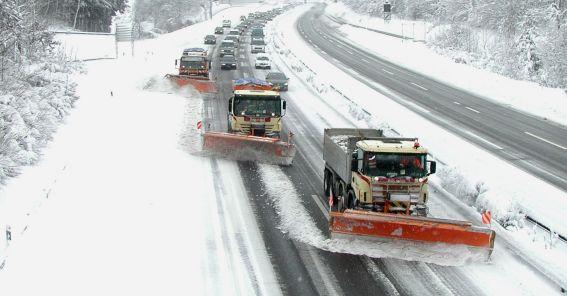 di Massimo Pieraccini – Previsioni meteo
Le precipitazioni nevose e le ghiacciate sono eventi atmosferici non sempre prevedibili con esattezza, ma oggi grazie ai moderni strumenti di previsione sono identificabili con più precisione per cui si consiglia tutti d’informarsi sempre sulle previsioni meteo locali e di seguire le possibili allerte comunicate della Protezione Civile la cui sala operativa è sempre attiva 24 ore su 24 (tel. 800 840 840).
Tutte le eventuali allerte le potrete trovare sempre aggiornate anche in rete sulla nostra pagina Facebook “Nucleo Operativo Protezione Civile”.
Cosa fare per la propria auto
All’approssimarsi dei mesi invernali è buona norma effettuare i seguenti controlli tecnici alla propria auto:
verificare che i tergicristalli siano perfettamente a filo con la superficie da liberare dall’acqua;
controllare la batteria che con il freddo corre il rischio di scaricarsi;
mettere l’antigelo nel radiatore e nel liquido per pulire i parabrezza;
se si intende viaggiare frequentemente su strade innevate è opportuno sostituire i pneumatici tradizionali con quelli specifici per la neve che hanno mescole più adatte al freddo e disegni capaci di assicurare una migliore aderenza.
Le catene da neve devono comunque essere sempre pronte all’uso, perché in presenza di neve abbondante i pneumatici invernali potrebbero non essere sufficienti. Inoltre l’inosservanza di questo consiglio potrebbe costare una multa: attenzione, i controlli sono già iniziati con le prime sanzioni elevate. Le catene devono essere utilizzate solo sulle strade coperte di neve per non correre il rischio di danneggiarle, compromettere la sicurezza di guida e non rischiare guasti agli organi di assetto.
Cosa fare per la viabilità
In auto oltre ad essere obbligatorio l’uso di pneumatici da neve o catene è consigliato tenere sempre a portata di mano un paio di guanti da lavoro e il montaggio delle catene deve essere sempre provato prima del verificarsi della situazione d’emergenza.
Durante l’evento nevoso non aspettare mai a montare le catene da neve quando si è già in condizioni di difficoltà specie se si devono affrontare percorsi con presenza di salite e discese anche di modesta pendenza.
Evitare di proseguire nel viaggio se non si ha un minimo di pratica di guida sulla neve e se ci si sente in difficoltà o non si ha il corretto equipaggiamento. Parcheggiare la propria auto in sicurezza sul lato della strada e a piedi trovare un rifugio idoneo.
Non abbandonare l’auto in condizioni che possono costituire impedimento alla normale circolazione degli altri veicoli ed in particolare dei mezzi operativi e di soccorso.
Aiutare le persone in difficoltà e non esitare a richiedere aiuto in caso di necessità, o meglio in caso di dubbio se non siete perfettamente sicuri su come fare per montare le catene, per posteggiare l’auto anche all’interno di proprietà private, per avere consigli ed indicazioni, etc.
Preferire sempre, per quanto possibile, l’utilizzo dei mezzi pubblici e non utilizzare mai i veicoli a due ruote.
Indossare abiti e soprattutto calzature idonee all’eventualità di sostenere spostamenti a piedi.
Cosa fare se vi trovate bloccati in auto in mezzo a un ingorgo
Se vi trovate bloccati nel mezzo di un ingorgo stradale siccome non sapete quanto potrà durare fate attenzione a quanto carburante avete in macchina e se il serbatoio è meno di un quarto non tenete costantemente il motore acceso, ma alternate accensione e spegnimento in ragione di 10 minuti di accensione e 30 di spegnimento per mantenere il motore e l’abitacolo in temperatura.
In questi casi l’autoradio è una risorsa preziosa, stiamo cercando di attivare un network di radio locali che in caso di emergenza siano disponibili a dare informazioni sulle condizioni della viabilità e consigli su eventuali percorsi alternativi.
Non attaccatevi al cellulare chiamando tutti per informarli della vostra disavventura o chiedere aiuto perchè non sapete quanto dovrete stare nella situazione in cui vi trovate e spesso i numeri di emergenza sono intasati; risparmiate la batteria del vostro cellulare, può essere determinante. Individuate una persona a casa o in ufficio che faccia per voi da tramite chiamando la polizia stradale, la Protezione Civile e il Comune per avere informazioni e fare eventuali richieste di aiuto. Usando il cellulare solo per parlare col vostro tramite allungherete la durata delle vostre batterie e la possibilità di restare in contatto.
Qualora dobbiate fare delle richieste di aiuto urgenti siate pronti a fornire i seguenti dati: strada in cui vi trovate (esempio: Autostrada A1 oppure SGC oppuree FIPILI) nel caso non conosciate il nome della strada almeno cercate di sapere indicare i nomi delle uscite più prossime e la direzione che state percorrendo (esempio: da Firenze nord verso sud, oppure Superstrada tra Empoli e Montopoli in direzione Pisa).
Cosa fare a casa
Si consiglia a tutti di fornirsi di un’adeguata e idonea scorta di sale da utilizzare per la viabilità privata (anche pedonale) e per gli eventuali marciapiedi esterni; di dotare ogni stabile (organizzandosi fra condomini) di un’attrezzatura minima come badili e pale da neve.
E’ necessario che infatti in caso di ghiacciate e nevicate per tutelare l’incolumità pubblica tutta la cittadinanza s’impegni a rimuovere neve e ghiaccio davanti alle proprie abitazioni e esercizi commerciali, pulire la cunetta stradale, liberare caditoie e tombini per agevolare il deflusso delle acque, spargere un adeguato quantitativo di sale se è previsto gelo, aprire varchi in corrispondenza degli attraversamenti pedonali ed incroci stradali, abbattere eventuali lame di neve e ghiaccio pendenti da tetti cornicioni e grondai e rimuovere le autovetture parcheggiate a bordo strada per permettere di liberare le carreggiate.
Tutto questo non è solo dovere civico di ogni cittadino, ma un preciso obbligo del regolamento di polizia municipale che non tutti conoscono!
In caso sia necessario muoversi a piedi prestando attenzione che dai tetti o dai cornicioni non ci sia pericolo di caduta di cumuli di neve, specie nei giorni successivi alla nevicata durante il disgelo sono frequenti le cadute di cumuli dai tetti.
Come utilizzare correttamente il sale
Il sale può essere usato solo per intervenire su formazioni di ghiaccio di limitato spessore.
E’ consigliabile quindi, intervenire preventivamente con salature laddove ci siano preavvisi di formazione di ghiaccio tenendo presente che il sale non produce nessun effetto in presenza di eccessivi spessori e/o in presenza di temperature troppo rigide (inferiori a -10°).
In caso di forti nevicate in atto togliere, prima di spargere il sale, quasi completamente la neve.
Il quantitativo di sale da spargere deve essere proporzionale allo spessore da sciogliere: esempio con un chilogrammo di sale si possono trattare 20 metri quadrati di superficie. Quantità superiori potrebbero danneggiare le pavimentazioni.
E’ doveroso ricordare che è sempre megllio utilizzare il sale specifico per disgelo e solo in caso di stretta necessità si può utilizzare il sale grosso da cucina.
Non usare mai acqua per eliminare cumuli di neve e ghiaccio soprattutto se su di essi è stato precedentemente sparso il sale.
Come proteggere la propria rete idrica
E’ bene all’approssimarsi della stagione più fredda prendere le giuste informazioni dal gestore del servizio idrico sulle misure da adottare per la protezione della rete idrica da possibili ghiacciate. Comunque sia è sempre opportuno proteggere il contatore da possibili ghiacciate, utilizzando materiali isolanti e in casa quando le temperature scendono sotto i -5° tenete costantemente aperto un flusso di acqua da almeno uno dei rubinetti.
by Massimo Pieraccini –Forecast
Snowfall and icy weather events tramadol toothache are not always predictable with accuracy, but today thanks to modern forecasting tools can be identified more precisely why you should always be fully aware of all local weather and follow the possible alerts sent Protection Civil whose operations room is always open 24 hours 24 (tel. 800 840 840).
All possible alerts you can always find the latest in a network on our Facebook page “Operational Unit Civil Protection”.
What to do for your car
As we approach the winter months it is advisable to carry out the following engineering controls to your car:
verify that the wipers are perfectly flush with the surface to be free from water;
check that the battery with the cold runs the risk of discharge;
put the antifreeze in the radiator and liquid to clean the windshield;
if you plan to travel frequently on snow tires should be replaced with conventional ones specific to the snow that compounds more suitable for cold and designs that ensure a better grip.
Snow chains must always be ready for use, because in the presence of abundant snow winter tires may not be enough. In addition, failure to comply with this advice could cost you a fine: attention, controls have already begun with the first high penalties. The chains must only be used on snow-covered roads to avoid the risk of damage, impair driving safety and to avoid damage to the organs of attitude.
What to do for the road
Drive as well as being mandatory to use snow tires or chains is recommended to always keep on hand a pair of work gloves and the use of snow chains should always be tried before the occurrence of the emergency situation.
During the event snowy never wait to mount snow chains when you are already in difficulty especially if you have to face the presence of paths with ascents and descents too small slope.
Do not go on the trip if you have a bit of practice driving on snow and if you feel stuck or do not have the proper equipment. Park your car safely on the side of the road and walk to find a suitable shelter.
Do not leave your car in the conditions that may obstruct the normal flow of other vehicles and in particular of operational resources and emergency.
Helping people in need and do not hesitate to ask for help when needed, or rather if in doubt if you are not completely sure on how to mount the chains to park your car even within private property, for advice and information, etc..
Always preferable, where possible, the use of public transport and never use the two-wheeled vehicles.
Wear appropriate footwear and especially the possibility to support walking.
What to do if you find yourself stuck in the car in the middle of a traffic jam
If you find yourself stuck in the middle of a traffic jam because you do not know for how long, be careful how much fuel you have in the car and if the tank is less than a quarter do not constantly keep the engine running, but alternate on and off at a rate of 10 minutes Ignition and 30 off to keep the engine and the passenger compartment in temperature.
In these cases, the radio is a valuable resource, we are trying to activate a network of local radio in case of emergency are available to give information on traffic conditions and advice on possible alternative routes.
Do not get attached to the phone calling everyone to let them know of your misfortune or ask for help because you do not know what you need to be in a situation where you are and often emergency numbers are clogged, save the battery of your phone, can be decisive. Identify a person at home or in the office to do for you by calling from the traffic police, Civil Defence and the Municipality for information and make any requests for help. Using the phone just to talk through with your lengthen the life of your batteries and the ability to stay in touch.
If you need to make urgent requests for help, be prepared to provide the following information: the street where you are (eg: A1 or SGC FIPILI or and) if you do not know the name of the road at least try to know the names of the outputs indicate closer and the direction you are traveling (eg from Florence north to south, or highway between Empoli and Pisa Montopoli in direction).
What to do at home
We recommend all to be equipped with an adequate and appropriate supply of salt to be used for private roads (including pedestrian) for any sidewalks external to equip each building (organizing among condominiums) minimum of equipment such as shovels and wheel Snow.
And ‘in fact necessary in the event of ice and snow to protect public safety all citizens to undertake to remove snow and ice in front of their homes and businesses, clean the gutter road, clear drains and manholes to facilitate the flow of water, spread an appropriate amount of salt if frost is expected, open gates at pedestrian crossings and intersections, break down any blades in snow and ice hanging from roof eaves and grondai and remove cars parked at the roadside to allow the free roadways.
This is not only a civic duty of every citizen, but a precise obligation of the Rules of the municipal police that not everyone knows!
If you need to walk around making sure that the roof or the eaves there is no danger of falling snow drifts, especially in the days after the snowfall during the thaw are frequent drops in heaps from the rooftops.
How to properly use the salt
The salt can be used to act only on ice formations of limited thickness.
E ‘therefore advisable to take preventive action by salting where there are notices of ice formation bearing in mind that the salt does not produce any effect in the presence of excessive thickness and / or in the presence of too rigid temperatures (below -10 °).
In the event of heavy snowfall in place to remove, before shedding the salt, almost completely snow.
The amount of salt to be spread must be proportional to the thickness to be solved: an example with one kilogram of salt can treat 20 square meters. Larger quantities can damage the flooring.
It ‘important to remember that it is always megllio use salt specifically designed to thaw and only when strictly necessary, you can use the coarse salt.
Never use water to remove accumulated snow and ice on them especially if it was previously scattered salt.
How to protect your water supply
And ‘well the approach of the cold season to make the right information from the manager of water services on measures to be taken to protect the water supply from possible ice. However it is always advisable to protect the meter from being frozen, using insulating materials and in house when temperatures fall below -5 ° keep constantly open to a flow of water for at least one of the taps.
Ago 31, 2012 | Arte e cultura, Versilia
 Un nome mille storie e tante leggende questa è Forte dei Marmi simbolo della “villeggiatura” italiana usando un termine un po’ vintage, sicuramente luogo dove nella leggerezza dell’estate si è vissuta tanta storia internazionale.
Siamo nel cuore della Versilia in una località che prende il nome e si caratterizza dall’omonimo “fortino dei marmi” voluto dal Granduca Pietro Leopoldo a difesa di quello che un tempo era l’approdo dei marmi che, scendendo dalle Apuane da queste rive prendevano la via del mare. Il fortino oggi è inglobato in un contesto urbano moderno che rappresenta il cuore pulsante dell’economia in una griglia di strade alberate. Forte dei Marmi è, soprattutto, il quartiere di Roma Imperiale: quasi un icona con le sue ville disegnate da architetti quali Giovanni Michelacci, Giò Ponti e Giuseppe Pagano; fra cui spicca Villa Agnelli (oggi albergo) e Villa Bertelli recentemente acquista e restaurata dal comune. Il mercato immobiliare da queste parti gira velocemente e queste eleganti ville arrivano spesso a prezzi simili a quelli delle grandi capitali mondiali!
Del resto oggi la città è frequentata da un turismo abbiente come dimostrano anche gli atelier che prestigiose firme della moda hanno deciso di aprire sulla passeggiata di via Mazzini e via Carducci.
Bisogna tornare indietro nel tempo per trovare l’origine della fama del posto, fra i nomi di locali quali il caffè Morin, il caffè Principe, il caffè Roma, il caffè Milano, il bagno Piero, ma soprattutto la Capannina di Franceschi (primo locale del genere ad aprire in Italia nel 1929) e la Bussola: icone del divertimento notturno sulle cui piste si sono esibiti i nomi più grandi del panorama musicale internazionale.
Ma Forte dei Marmi è anche la città che ha dato i natali alla Principessa Paola Ruffo di Calabria oggi Regina del Belgio; dove risiede Andrea Bocelli; dove ha casa dalla fine degli anni ’50 Mina la più grande cantante italiana che sul palco della Bussola iniziò a cantare; dove trascorreva le sue estate Colette Rosselli scrittrice ed illustratrice famosa con lo pseudonimo di Donna Letizia e moglie del giornalista Indro Montanelli e il grande attore di Carmelo Bene che soggiornava in Viale Morin; dov’era di casa l’inglese Henry Moore a cui il paese ha dedicato una via e dove sono stati memorabili i concerti alla Bussola di Renato Zero…
Fermiamoci qui con l’amarcord di una Forte dei Marmi che non c’è più, quella ruggente di qualche decennio fa, sostituita oggi da una cittadina più elegante e pacata in cui lusso ed eccellenza vanno a braccetto con eleganza e bellezza.Forte dei Marmi, symbolic of Italian holidays Electronic Cigarette, is a name that conjures up numerous myths and legends, a place where a lot of international history has been created in the summer fun.
We’re in the heart of Versilia, in a place named after and distinguished by the homonymous “fortino dei marmi” (marble fortress), built for Grand Duke Pietro Leopoldo to defend what was once the landing of the marbles by sea, having come down to these shores from the Apuan Alps. Today, the fortress has been incorporated into a modern, urban context that is the economic nerve centre in a setting of tree-lined streets. Forte dei Marmi is, first and foremost, a neighbourhood of Imperial Rome, bordering on the iconic with its villas designed by architects such as Giovanni Michelacci, Giò Ponti and Giuseppe Pagano. Villa Agnelli (now a hotel) and Villa Bertelli, recently acquired and restored by the council, stand out in particular. The real estate market is fast moving in this area and these elegant villas often fetch prices similar to those in the world’s greatest cities.
After all, the town is now frequented by wealthy tourism, as demonstrated by the ateliers and leading fashion labels that have opened up along Via Mazzini and Via Carducci.
Let’s go back in time to discover why this place is so famous, with the names of bars like Caffè Morin, Caffè Principe, Caffè Roma, Caffè Milano, Bagno Piero, but especially Capannina di Franceschi (the first place of its kind to open in Italy in 1929) and La Bussola, an icon of night-time entertainment where some of the most famous names on the international music scene have played.
Forte dei Marmi is also the birthplace of Princess Paola Ruffo of Calabria now Queen of Belgium . It is also home to Andrea Bocelli, as well as Mina, the great Italian singer who began her career on the stage of La Bussola; she’s had a house here since the late Fifties. Colette Rosselli also spent her summers here, the famous writer and illustrator under the pseudonym of Donna Letizia and wife of the journalist Indro Montanelli. The great actor Carmelo Bene used to stay in Viale Morin, where Henry Moore also lived – the town named a road after him – and where the memorable concerts of Renato Zero at La Bussola.
Let’s finish here with the memories of a Forte dei Marmi that no longer exists, that noisy place of a few decades ago, now replaced by a more elegant and calmer town, where luxury and prestige go hand in hand with elegance and beauty.
