Set 8, 2013 | Montalbano, Pistoia, Prato, Shopping
 di redazione – Siamo animalisti convinti e solitamente non facciamo questo tipo di appelli da una testata giornalistica culturale e turistica, ma abbiamo deciso di rompere questo muro nella certezza che la salvaguardia della natura e quindi degli animali sia una forma primaria di cultura per ogni popolo.
Evitare il randagismo non vuol dire solo (e scusate il solo!) salvare cucciolate intere da un destino infausto a cui gli hanno condannati gli uomini civili, ma vuol dire salvaguardare un fondamentale diritto: quello di vivere e di tenere equilibrio nella natura.
Tante le associazioni, tutte di volontariato, a cui va il nostro pensiero, ma abbiamo deciso di rispondere e dare voce all’appello che ci ha rivolto la sezione Oipa di Pistoia a cui siamo legati da un affetto felino perché l’amorosa cucciola ronfante che divide l’appartamento con me deve la vita a loro.
L’appello lo lancio ora. Prima e durante le ferie forse in tanti, troppi vi hanno lanciato appelli contro l’abbandono ed eravate sordi. Ora spero i vostri orecchi siano più inclini all’ascolto.
La sezione Oipa di Pistoia è al collasso. Continue sono le richieste di aiuto da parte di chi trova cucciolate e gattini abbandonati, bisognosi di cure, spesso anche costose e in cerca di un posto sicuro.
La sezione Oipa di Pistoia è allo stremo delle forze, non hanno più uno “stallo” libero, non hanno più pappe, non hanno più soldi per sostenere le cure di questi angeli.
Anzi, hanno accumulato diversi e consistenti debiti con i veterinari di fiducia che fortunatamente hanno un gran cuore e tanta pazienza.
Il risultato è che non si trovano più nelle condizione di poter salvare neanche uno e questo vuol dire cuccioli che cresceranno randagi, cuccioli che forse non arriveranno al prossimo mese perché magari in strada… perché non sarà più possibile curarli.
Il lavoro della sezione Oipa di Pistoia è incessante durante tutto l’anno anche se sono solo una decina di volontari in tutto e sono riusciti sempre a far fronte a tutto, ma adesso senza l’aiuto delle persone che hanno a cuore la nostra stessa causa non potranno più proseguire.
Servono pappe, servono farmaci, servono donazioni.
Gli darete una mano?
Informazioni: www.oipapistoia.com – pistoia@oipa.org – 339 814 1431 by redaction – We are convinced animalist does levitra make it bigger and usually do not do this kind of appeals from a journal of culture and tourism , but we decided to break this wall in the certainty that the conservation of nature and therefore of the animals is a primary form of culture to every people.
Avoid stray dogs is not just about ( and sorry the only one! ) Save a whole litters unfortunate fate to which they condemned civilized men , but it means protecting a fundamental right: the right to live and to keep balance in nature.
Many associations , all volunteers, who deserve our thinking, but we decided to answer and give voice to the call that has turned Oipa section of Pistoia in which we are bound by a love because the loving puppy cat that divides the apartment with me owes his life to them.
The appeal will launch it now . Before and during the holiday season maybe too many you have launched appeals against abandonment and you were deaf. Now I hope your ears are more inclined to listen.
The section Oipa of Pistoia is collapsing . Continue are requests for help from those who find abandoned puppies and kittens in need of care , often expensive and looking for a safe place .
The section Oipa of Pistoia is weary and tired , have no longer a “stalemate ” free , have no more baby food, do not have more money to support the care of these angels . Indeed, several have accumulated large debts and veterinarians of confidence that fortunately have a big heart and lots of patience .
The result is that they are no longer in a position to save even one and this means that they will grow stray puppies , puppies that may not come until next month because maybe in the street … because you can not cure them.
The work of the section Oipa of Pistoia is constant throughout the year even if they are only a dozen or so volunteers in everything and always have been able to cope with everything, but now without the help of people who care about our own cause can no longer continue .
It takes baby food, drugs serve , serve donation.
Will give you a hand?
Information
www.oipapistoia.com – pistoia@oipa.org – 339 814 1431
Mar 22, 2013 | Arcipelago | Costa degli Etruschi, Arezzo, Argentario, Arte e cultura, Casentino, Chianti Classico, Città del Tufo | Colline Metallifere, Crete Senesi, Da non perdere, Eventi, Firenze, Garfagnana, Grosseto, Litorale pisano, Livorno, Lucca, Lunigiana, Maremma, Massa Carrara, Montagna Pistoiese, Montalbano, Monte Amiata, Monti Pisani, Mugello | Val di Sieve, Pisa, Pistoia, Prato, San Gimignano, Siena, Val Bisenzio, Val d'Elsa | Empolese, Val d'Elsa | Val di Merse, Val d'Orcia | Val di Chiana, Val di Cecina, Val di Cornia, Val Tiberina, Valdarno, Valdarno | Valdera | Colline Pisane, Valdinievole, Valle del Serchio | Piana Lucchese, Versilia
 di Nadia Fondelli – Con la primavera torna un appuntamento speciale per conoscere luoghi insoliti del nostro paese. Per persone curiose che amano farsi coinvolgere con cuore e mente ecco l’edizione 2013 delle Giornate Fai di Primavera in programma sabato 23 e domenica 24 marzo.
Vita, storie e leggende. Scrigni d’arte preziosi, opere d’arte che si svelano, giardini incantati… Sono oltre 700 i luoghi italiani, spesso inacessibili e per l’occasione eccezionalmente a disposizione del pubblico, con visite a contributo libero: chiese, palazzi, aree archeologiche, ville, borghi, giardini; persino caserme, centrali idroelettriche e un osservatorio astronomico.
Anche in Toscana basta scegliere: a Firenze ad esempio sarà possibile scoprire la Cappella Ruccellai, l’Istituto di scienze militari aereonautiche delle Cascine, il palazzo Portinai Salviati, il giardino di Villa Corsini a Castello e villa La Quiete alle Montalve.
Il Forte delle Rocchette a Castiglion della Pescaia in Maremma solitamente chiuso al pubblico è imperdibile così come i sotterranei delle mura di Lucca e lo splendido teatrino di Vetriano.
In provincia di Pisa toglierà il fiato la visita alla rocca della Verruca e a Pistoia la gipsoteca Libero Andreotti. Infine, in provincia di Siena bellissimo il tuffo nel passato proposto da Poggibonsi con la fortezza del Poggio Imperiale, il cassero, i bastioni e gli scavi archeologici e Staggia senese con la sua rocca.
Tutti i luoghi sono visitabili con viste guidate ed alcuni anche in lingue stranieri. Per l’elenco completo dei luoghi e per sostenere il Fai www.giornatafai.it
by Nadia Fondelli – With the spring valium for dogs back a special event to learn about unusual places of our country. For curious people who like to get involved with heart and mind, here is the 2013 edition of the Days Make Spring on Saturday 23 and Sunday 24 March.
Life, stories and legends. Precious art treasures, works of art that are revealed, enchanted gardens … There are more than 700 places Italians, often inaccessible and for the occasion exceptionally available to the public, with visits to free contribution: churches, palaces, archaeological sites, villas, villages, gardens, even barracks, hydroelectric and an astronomical observatory.
Even in Tuscany Just choose: in Florence, for example, you will discover the Chapel Ruccellai, the Institute of Aeronautical Sciences Military delle Cascine, the palace caretakers Salviati, the garden of Villa Corsini at Castello and Villa La Quiete to Montalve.
The Fort Rocchette in Castiglione della Pescaia in Maremma usually chiuo to the public is a must as well as the basement walls of Lucca and the splendid theater of Vetriano.
In the province of Pisa take your breath away visit to the Verruca Pistoia and the plaster casts Libero Andreotti. Finally, in the province of Siena, the beautiful blast from the past brought to Poggibonsi with the fortress of Poggio Imperiale, the keep, the ramparts and the archaeological excavations and Staggia Siena with its fortress.
All locations can be visited with guided tours and some even in foreign languages. For a full list of the places and to support the Make www.giornatafai.it
Feb 10, 2013 | Arezzo, Argentario, Casentino, Chianti Classico, Città del Tufo | Colline Metallifere, Crete Senesi, Eventi, Firenze, Garfagnana, Grosseto, Litorale pisano, Livorno, Lucca, Lunigiana, Maremma, Massa Carrara, Montagna Pistoiese, Montalbano, Monte Amiata, Monti Pisani, Mugello | Val di Sieve, Pisa, Pistoia, Prato, San Gimignano, Siena, Val Bisenzio, Val d'Elsa | Empolese, Val d'Elsa | Val di Merse, Val d'Orcia | Val di Chiana, Val di Cecina, Val di Cornia, Val Tiberina, Valdarno, Valdarno | Valdera | Colline Pisane, Valdinievole, Valle del Serchio | Piana Lucchese, Versilia
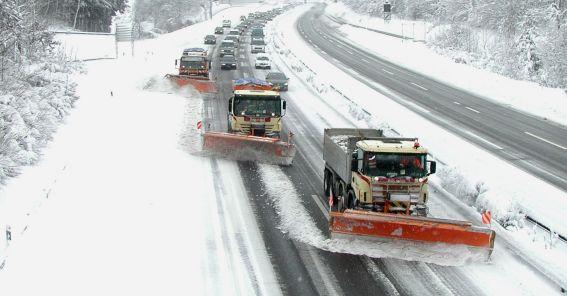 di Massimo Pieraccini – Previsioni meteo
Le precipitazioni nevose e le ghiacciate sono eventi atmosferici non sempre prevedibili con esattezza, ma oggi grazie ai moderni strumenti di previsione sono identificabili con più precisione per cui si consiglia tutti d’informarsi sempre sulle previsioni meteo locali e di seguire le possibili allerte comunicate della Protezione Civile la cui sala operativa è sempre attiva 24 ore su 24 (tel. 800 840 840).
Tutte le eventuali allerte le potrete trovare sempre aggiornate anche in rete sulla nostra pagina Facebook “Nucleo Operativo Protezione Civile”.
Cosa fare per la propria auto
All’approssimarsi dei mesi invernali è buona norma effettuare i seguenti controlli tecnici alla propria auto:
verificare che i tergicristalli siano perfettamente a filo con la superficie da liberare dall’acqua;
controllare la batteria che con il freddo corre il rischio di scaricarsi;
mettere l’antigelo nel radiatore e nel liquido per pulire i parabrezza;
se si intende viaggiare frequentemente su strade innevate è opportuno sostituire i pneumatici tradizionali con quelli specifici per la neve che hanno mescole più adatte al freddo e disegni capaci di assicurare una migliore aderenza.
Le catene da neve devono comunque essere sempre pronte all’uso, perché in presenza di neve abbondante i pneumatici invernali potrebbero non essere sufficienti. Inoltre l’inosservanza di questo consiglio potrebbe costare una multa: attenzione, i controlli sono già iniziati con le prime sanzioni elevate. Le catene devono essere utilizzate solo sulle strade coperte di neve per non correre il rischio di danneggiarle, compromettere la sicurezza di guida e non rischiare guasti agli organi di assetto.
Cosa fare per la viabilità
In auto oltre ad essere obbligatorio l’uso di pneumatici da neve o catene è consigliato tenere sempre a portata di mano un paio di guanti da lavoro e il montaggio delle catene deve essere sempre provato prima del verificarsi della situazione d’emergenza.
Durante l’evento nevoso non aspettare mai a montare le catene da neve quando si è già in condizioni di difficoltà specie se si devono affrontare percorsi con presenza di salite e discese anche di modesta pendenza.
Evitare di proseguire nel viaggio se non si ha un minimo di pratica di guida sulla neve e se ci si sente in difficoltà o non si ha il corretto equipaggiamento. Parcheggiare la propria auto in sicurezza sul lato della strada e a piedi trovare un rifugio idoneo.
Non abbandonare l’auto in condizioni che possono costituire impedimento alla normale circolazione degli altri veicoli ed in particolare dei mezzi operativi e di soccorso.
Aiutare le persone in difficoltà e non esitare a richiedere aiuto in caso di necessità, o meglio in caso di dubbio se non siete perfettamente sicuri su come fare per montare le catene, per posteggiare l’auto anche all’interno di proprietà private, per avere consigli ed indicazioni, etc.
Preferire sempre, per quanto possibile, l’utilizzo dei mezzi pubblici e non utilizzare mai i veicoli a due ruote.
Indossare abiti e soprattutto calzature idonee all’eventualità di sostenere spostamenti a piedi.
Cosa fare se vi trovate bloccati in auto in mezzo a un ingorgo
Se vi trovate bloccati nel mezzo di un ingorgo stradale siccome non sapete quanto potrà durare fate attenzione a quanto carburante avete in macchina e se il serbatoio è meno di un quarto non tenete costantemente il motore acceso, ma alternate accensione e spegnimento in ragione di 10 minuti di accensione e 30 di spegnimento per mantenere il motore e l’abitacolo in temperatura.
In questi casi l’autoradio è una risorsa preziosa, stiamo cercando di attivare un network di radio locali che in caso di emergenza siano disponibili a dare informazioni sulle condizioni della viabilità e consigli su eventuali percorsi alternativi.
Non attaccatevi al cellulare chiamando tutti per informarli della vostra disavventura o chiedere aiuto perchè non sapete quanto dovrete stare nella situazione in cui vi trovate e spesso i numeri di emergenza sono intasati; risparmiate la batteria del vostro cellulare, può essere determinante. Individuate una persona a casa o in ufficio che faccia per voi da tramite chiamando la polizia stradale, la Protezione Civile e il Comune per avere informazioni e fare eventuali richieste di aiuto. Usando il cellulare solo per parlare col vostro tramite allungherete la durata delle vostre batterie e la possibilità di restare in contatto.
Qualora dobbiate fare delle richieste di aiuto urgenti siate pronti a fornire i seguenti dati: strada in cui vi trovate (esempio: Autostrada A1 oppure SGC oppuree FIPILI) nel caso non conosciate il nome della strada almeno cercate di sapere indicare i nomi delle uscite più prossime e la direzione che state percorrendo (esempio: da Firenze nord verso sud, oppure Superstrada tra Empoli e Montopoli in direzione Pisa).
Cosa fare a casa
Si consiglia a tutti di fornirsi di un’adeguata e idonea scorta di sale da utilizzare per la viabilità privata (anche pedonale) e per gli eventuali marciapiedi esterni; di dotare ogni stabile (organizzandosi fra condomini) di un’attrezzatura minima come badili e pale da neve.
E’ necessario che infatti in caso di ghiacciate e nevicate per tutelare l’incolumità pubblica tutta la cittadinanza s’impegni a rimuovere neve e ghiaccio davanti alle proprie abitazioni e esercizi commerciali, pulire la cunetta stradale, liberare caditoie e tombini per agevolare il deflusso delle acque, spargere un adeguato quantitativo di sale se è previsto gelo, aprire varchi in corrispondenza degli attraversamenti pedonali ed incroci stradali, abbattere eventuali lame di neve e ghiaccio pendenti da tetti cornicioni e grondai e rimuovere le autovetture parcheggiate a bordo strada per permettere di liberare le carreggiate.
Tutto questo non è solo dovere civico di ogni cittadino, ma un preciso obbligo del regolamento di polizia municipale che non tutti conoscono!
In caso sia necessario muoversi a piedi prestando attenzione che dai tetti o dai cornicioni non ci sia pericolo di caduta di cumuli di neve, specie nei giorni successivi alla nevicata durante il disgelo sono frequenti le cadute di cumuli dai tetti.
Come utilizzare correttamente il sale
Il sale può essere usato solo per intervenire su formazioni di ghiaccio di limitato spessore.
E’ consigliabile quindi, intervenire preventivamente con salature laddove ci siano preavvisi di formazione di ghiaccio tenendo presente che il sale non produce nessun effetto in presenza di eccessivi spessori e/o in presenza di temperature troppo rigide (inferiori a -10°).
In caso di forti nevicate in atto togliere, prima di spargere il sale, quasi completamente la neve.
Il quantitativo di sale da spargere deve essere proporzionale allo spessore da sciogliere: esempio con un chilogrammo di sale si possono trattare 20 metri quadrati di superficie. Quantità superiori potrebbero danneggiare le pavimentazioni.
E’ doveroso ricordare che è sempre megllio utilizzare il sale specifico per disgelo e solo in caso di stretta necessità si può utilizzare il sale grosso da cucina.
Non usare mai acqua per eliminare cumuli di neve e ghiaccio soprattutto se su di essi è stato precedentemente sparso il sale.
Come proteggere la propria rete idrica
E’ bene all’approssimarsi della stagione più fredda prendere le giuste informazioni dal gestore del servizio idrico sulle misure da adottare per la protezione della rete idrica da possibili ghiacciate. Comunque sia è sempre opportuno proteggere il contatore da possibili ghiacciate, utilizzando materiali isolanti e in casa quando le temperature scendono sotto i -5° tenete costantemente aperto un flusso di acqua da almeno uno dei rubinetti.
by Massimo Pieraccini –Forecast
Snowfall and icy weather events tramadol toothache are not always predictable with accuracy, but today thanks to modern forecasting tools can be identified more precisely why you should always be fully aware of all local weather and follow the possible alerts sent Protection Civil whose operations room is always open 24 hours 24 (tel. 800 840 840).
All possible alerts you can always find the latest in a network on our Facebook page “Operational Unit Civil Protection”.
What to do for your car
As we approach the winter months it is advisable to carry out the following engineering controls to your car:
verify that the wipers are perfectly flush with the surface to be free from water;
check that the battery with the cold runs the risk of discharge;
put the antifreeze in the radiator and liquid to clean the windshield;
if you plan to travel frequently on snow tires should be replaced with conventional ones specific to the snow that compounds more suitable for cold and designs that ensure a better grip.
Snow chains must always be ready for use, because in the presence of abundant snow winter tires may not be enough. In addition, failure to comply with this advice could cost you a fine: attention, controls have already begun with the first high penalties. The chains must only be used on snow-covered roads to avoid the risk of damage, impair driving safety and to avoid damage to the organs of attitude.
What to do for the road
Drive as well as being mandatory to use snow tires or chains is recommended to always keep on hand a pair of work gloves and the use of snow chains should always be tried before the occurrence of the emergency situation.
During the event snowy never wait to mount snow chains when you are already in difficulty especially if you have to face the presence of paths with ascents and descents too small slope.
Do not go on the trip if you have a bit of practice driving on snow and if you feel stuck or do not have the proper equipment. Park your car safely on the side of the road and walk to find a suitable shelter.
Do not leave your car in the conditions that may obstruct the normal flow of other vehicles and in particular of operational resources and emergency.
Helping people in need and do not hesitate to ask for help when needed, or rather if in doubt if you are not completely sure on how to mount the chains to park your car even within private property, for advice and information, etc..
Always preferable, where possible, the use of public transport and never use the two-wheeled vehicles.
Wear appropriate footwear and especially the possibility to support walking.
What to do if you find yourself stuck in the car in the middle of a traffic jam
If you find yourself stuck in the middle of a traffic jam because you do not know for how long, be careful how much fuel you have in the car and if the tank is less than a quarter do not constantly keep the engine running, but alternate on and off at a rate of 10 minutes Ignition and 30 off to keep the engine and the passenger compartment in temperature.
In these cases, the radio is a valuable resource, we are trying to activate a network of local radio in case of emergency are available to give information on traffic conditions and advice on possible alternative routes.
Do not get attached to the phone calling everyone to let them know of your misfortune or ask for help because you do not know what you need to be in a situation where you are and often emergency numbers are clogged, save the battery of your phone, can be decisive. Identify a person at home or in the office to do for you by calling from the traffic police, Civil Defence and the Municipality for information and make any requests for help. Using the phone just to talk through with your lengthen the life of your batteries and the ability to stay in touch.
If you need to make urgent requests for help, be prepared to provide the following information: the street where you are (eg: A1 or SGC FIPILI or and) if you do not know the name of the road at least try to know the names of the outputs indicate closer and the direction you are traveling (eg from Florence north to south, or highway between Empoli and Pisa Montopoli in direction).
What to do at home
We recommend all to be equipped with an adequate and appropriate supply of salt to be used for private roads (including pedestrian) for any sidewalks external to equip each building (organizing among condominiums) minimum of equipment such as shovels and wheel Snow.
And ‘in fact necessary in the event of ice and snow to protect public safety all citizens to undertake to remove snow and ice in front of their homes and businesses, clean the gutter road, clear drains and manholes to facilitate the flow of water, spread an appropriate amount of salt if frost is expected, open gates at pedestrian crossings and intersections, break down any blades in snow and ice hanging from roof eaves and grondai and remove cars parked at the roadside to allow the free roadways.
This is not only a civic duty of every citizen, but a precise obligation of the Rules of the municipal police that not everyone knows!
If you need to walk around making sure that the roof or the eaves there is no danger of falling snow drifts, especially in the days after the snowfall during the thaw are frequent drops in heaps from the rooftops.
How to properly use the salt
The salt can be used to act only on ice formations of limited thickness.
E ‘therefore advisable to take preventive action by salting where there are notices of ice formation bearing in mind that the salt does not produce any effect in the presence of excessive thickness and / or in the presence of too rigid temperatures (below -10 °).
In the event of heavy snowfall in place to remove, before shedding the salt, almost completely snow.
The amount of salt to be spread must be proportional to the thickness to be solved: an example with one kilogram of salt can treat 20 square meters. Larger quantities can damage the flooring.
It ‘important to remember that it is always megllio use salt specifically designed to thaw and only when strictly necessary, you can use the coarse salt.
Never use water to remove accumulated snow and ice on them especially if it was previously scattered salt.
How to protect your water supply
And ‘well the approach of the cold season to make the right information from the manager of water services on measures to be taken to protect the water supply from possible ice. However it is always advisable to protect the meter from being frozen, using insulating materials and in house when temperatures fall below -5 ° keep constantly open to a flow of water for at least one of the taps.
Ago 31, 2012 | Arte e cultura, Montalbano
 Vinci è situato nel cuore della Toscana, a pochi chilometri da Firenze e Pistoia, vicinissimo a Pisa, Lucca e Siena sono raggiungibili in meno di un’ora.
La località è famosa per essere la città di Leonardo genio del Rinascimento – si trova in mezzo ad una campagna verdissima che dona al paesaggio circostante un aspetto incantevole e magico, degno delle più suggestive immagini leonardiane.
Le origini di Vinci sono molto antiche. Fu terra degli Etruschi e poi “castrum” romano. All’Alto Medioevo risale la primitiva costruzione del Castello che fu dominato intorno al Mille dai Conti Guidi ai quali ne veniva confermato il possesso nel 1164 da Federico Barbarossa e nel 1220 da Federico II di Svevia.
Il 12 Agosto del 1254 Vinci fu sottomessa al dominio di Firenze e trasformata in Comune.
Situata al confine occidentale dello stato, fu oggetto di contesa da parte dei nemici di Firenze. Sotto le sue mura combatterono nel 1315 le soldatesche di Uguccione delle Faggiuola; nel 1320-26 Castruccio Castracani; e nel 1364 John Hawkwood, detto l’Acuto, capo della compagine di ventura degli inglesi al soldo di Pisa. La primitiva costruzione del Castello di Vinci risale all’Alto Medioevo.
Nel corso dei secoli la struttura originaria del castello dei Conti Guidi fu variamente alterata dai diversi poprietari. Restituito al Comune di Vinci nel 1919 dal Conte Giulio Masetti da Bagnano, il castello stato oggetto di diversi restauri. L’ultimo, quello del 1986, per ospitare il nuovo allestimento del Museo Leonardiano.
Nel nuovo allestimento i modelli del “genio”sono stati inseriti in un percorso espositivo più ampio e rigoroso, accompagnati da schede descrittive.
La serie di ricostruzioni in dimensioni reali si propone di confrontare i progetti leonardiani relativi al moto nell’aria, sulla terra e nell’acqua, con analoghi meccanismi ideati da tecnici e inventori prima, contemporaneamente e dopo Leonardo.
La fondazione del Museo Leonardiano risale al 15 aprile 1953, data di conclusione delle celebrazioni per il quinto centenario della nascita di Leonardo, con una prima esposizione di modelli di macchine ispirati ai disegni leonardiani. Da quegli anni il museo si arricchito di nuovi materiali e modelli ed cresciuta l’esigenza di un suo aggiornamento e riordino.
Oggi, a pi di trent’anni dall’apertura, il Museo Leonardiano di Vinci ritrova esaltata la scelta tematica di partenza e si propone come una delle raccolte pi ampie e originali di macchine e modelli del Leonardo inventore, tecnologo e ingegnere.
Il Castello dei Conti Guidi, noto nella tradizione popolare come “castello della nave” per la forma allungata e la torre che possono far pensare alla sagoma di un’imbarcazione a vela, conserva all’interno anche stemmi affrescati e scolpiti, come memoria dei podest, compresa la splendida ceramica “Madonna col Bambino” di Giovanni della Robbia.
Nella piazza antistante il Castello si trova, dal 1987, “L’Uomo di Vinci”, una grande scultura in legno di Mario Ceroli ispirato all’uomo vetruviano di Leonardo.
Vicino al Castello dei Conti Guidi si trova la chiesa parrocchiale di Santa Croce. Ricca di memorie di grande interesse per la storia locale, di origine romanica varie volte ristrutturata: il campanile del 1852, l’interno e la facciata del 1929, il nuovo battistero del 1952, con il recupero del fonte battesimale, a cui secondo la tradizione fu battezzato Leonardo.
Da non perdere quindi l’escursione a Vinci. Il Museo Leonardiano aperto tutti i giorni dalle ore 9,30 alle ore 18,00 . Per ulteriori informazioni Tel: 0571 56055 – E-mail: leonardiana@leonet.itVinci is located in the heart of Tuscany, a few kilometres from Florence and Pistoia, very near Pisa; Lucca and Siena can be reached VigRX in less than an hour.
The town is famous for being the birthplace of Leonardo, Renaissance genius – it lies in the midst of a luscious countryside that gives the surrounding area an enchanting and magical appearance, worthy of the most suggestive paintings by Leonardo.
The origins of Vinci are very old. It was an Etruscan settlement and then a Roman “castrum”. In the early Middle Ages, the first castle was built. In around the year one thousand, it was dominated by the Conti Guidi and their possession of it was confirmed by Federico Barbarossa in 1164 and Federico II of Svevia in 1220.
On 12th August, 1254, Vinci was subjected to the domination of Florence and transformed into a “Comune”. Located on the western border of the state, it was fought over by the enemies of Florence. The troops of Uguccione delle Faggiuola fought under its walls in 1315; Castruccio Castracani in 1320-26; and John Hawkwood, called “the Acute”, leader of the English mercenaries fighting for Pisa in 1364.
The first construction of the Castle of Vinci dates back to the early Middle Ages. Over the centuries, the original structure of the castle of the Conti Guidi was altered several times by the various owners. Returned to the town of Vinci in 1919 by Conte Giulio Masetti da Bagnano, the castle was restored several times.
The last, that of 1986, was carried out in order to house the new layout of the Leonardo Museum. In the new layout, the models of the “genius” were inserted in a more extended and simplified display route accompanied by descriptions. The series of life-size models sets out to compare Leonardo’s models relative to motion in the air, on the water and on the ground, with similar mechanisms invented by technicians and inventors before, during and after the age of Leonardo.
The Leonardo Museum was founded on 15th April 1953, the date on which the celebrations of the fifth centenary of Leonardo birth’ terminated, with an initial exhibition of models of machines inspired by Leonardo’s designs. Since then, new materials and models have been added to the museum and the need for an update and re-order become more and more pressing.
Today, over thirty years after it was opened, the Leonardo Museum in Vinci has rediscovered the initial exhibition themes and offers one of the largest and most original collections of machines and models by Leonardo, the inventor, technologist and engineer.
The Castle of the Conti Guidi, popularly known as the “castle of the ship” for its elongated shape and the tower that reminds one of the shape of a sailing ship, also contains frescoes and sculpted coats-of-arms in memory of the “podest”, including the splendid ceramic “Madonna with Child” by Giovanni della Robbia. In 1987, “The Man of Vinci”, a large wooden sculpture by Mario Ceroli inspired by Leonardo’s Vetruvian man was installed in the square in front of the Castle.
The parish church of Santa Croce lies near the Castle of the Conti Guidi. Full of very interesting local memories, it is of Romanesque origins and was renovated several times: the bell tower is of 1852, the interior and faade of 1929 and the new baptistery of 1952, including the recovery of the baptismal font in which tradition has it Leonardo was baptised.
An excursion to Vinci should not be missed, therefore. The Leonardo Museum is open every day from 9.30 to 18.00. For further information tel: 0571 56055, e-mail: leonardiana@leonet.it
