Giu 20, 2013 | Arte e cultura, Firenze, Montagna Pistoiese, Monte Amiata
 di Donella Zanoboni – Il 24 giugno,quando il sole raggiunge la sua massima declinazione, é considerato il giorno del solstizio d’estate, della Festa di S Giovanni e di tanti miti e leggende che accompagnano quuesto giorno.
Non é facile orientarsi nelle congerie di credenze e usanze che ruotano intorno al 24 giugno perché sono frutto di varie stratificazioni che raccolgono frammenti di tradizioni diverse sia pagane che cristiane.
Rimane da chiarire quale sia stato il motivo per cui fu scelto lo stesso giorno sia per le popolarità pagane che cristiane (quindi la nascita del Battista).
La notte fra il 23 e 24 giugno é ritenuta quindi magica e in quanto a credenze e superstizioni c’erano e ce ne sono tutt’oggi in ogni parte del mondo.
Senza addentrarsi troppo in considerazioni per le quali non abbiamo una particolare preparazione, ci limiteremo a raccontare alcuni dei più curiosi episodi che accadeva e accadono tutt’oggi nella magica notte di S Giovanni.
Iniziamo c’é con la storia dell’acqua che sgorga il 23 giugno e solo quella notte. Un acqua speciale che guarisce tutti i mali, ma però bisogna trovare la sorgente magica…anche se chiaro è il riferimento al Battista che battezzava con l’acqua del Giordano.
É in quella notte che si devono raccogliere le erbe magiche; iperico, ruta, artemisia, agnocasto, lavanda, ginestra, verbena, felce e ribes. Sono le 9 erbe di San Giovanni.
Si raccolgono in mazzetti e si tengono in casa per protezione.
Se poi le poniamo sotto il cuscino in quella notte, si dice che “quel che si sogna si realizzi”.
Alcune delle benefiche erbe, oltre che a scacciare i demoni e le streghe proteggano dal “malocchio”. L’artemisia ad esempio, consacrata anticamente alla sorella lunare del solare Apollo (secondo Apuleio), la verbena simbolo di pace e prosperità e il ribes i cui frutti rossi sono detti “bacche di San Giovanni”.
Molto diffusa anche l’usanza di accendere grandi falò nella notte dedicata al Battista. In questi falò si gettano legni ed erbe secche. Saltare poi su questi fuochi significa che si riuscirà a “saltare” ogni pericolo che si presenti durante l’anno.
Bruciando poi nel fuoco alcune erbe (di quelle raccolte quella notte) e conservandone le ceneri, queste salvaguarderanno anche contro i fulmini durante i temporali.
Un proverbio istriano assicura anche che “San Giovanni col su ‘ fogo brusa le strighe el moro e l’ lovo “, ovvero “San Giovanni con il suo fuoco brucia le streghe, il moro e il lupo”.
In Normandia invece anticamente ci si bagnava nella rugiada la mattina di San Giovanni per far ringiovanire la pelle e preservarla dalle malattie. Rugiada che anche la virtù di proteggere i panni dalle tarme tant’è che, le nostre nonne durante la notte del 23 giugno stendevano alla rugiada i teli dove veniva messo il pane per avere una buona lievitazione!
Anche la preparazione del liquore del nocino veniva effettuata questa notte e l’usanza risale addirittura ai Celti della Bretagna.
Secondo la tradizione le donne devono staccare le noci quando la drupa é ancora verde con una lama di legno, mai di metallo. L’infusione, darà un liquore considerato un’autentica panacea.
Sempre per San Giovanni il giovane regalava alla sua ragazza un mazzetto di fiori e lei restituiva il regalo alla festa dei SS. Pietro e Paolo il 29 di giugno.
A Roma in età medievale c’era l’usanza di mangiare, danzare e cantare sui prati fra la basilica di San Giovanni in Laterano e Santa Croce in Gerusalemme.
Nella notte della vigilia si accendevano grandi fuochi, si beveva e danzava all’aperto o nelle osterie in attesa del sorgere del sole!
Accanto al fuoco che aveva una funzione liberatoria, vi era la rugiada dalle virtù fecondatrici! Le giovani spose che volevano ottenere figli, sollevavano le vesti sedendosi sull’erba umida sul monte Testaccio per un intimo lavacro propiziatorio.
La funzione del Santo come patrono anche dell’amicizia lo ricorda un detto toscano che dice “San Giovanni non vuole inganni ” spiegando che il Battista secondo la leggenda era inflessibile con chi tradiva la fiducia dell’amico!
by Donella Zanoboni – On June 24, when the sun reaches its maximum declination, is considered the day of the summer solstice, the Feast of semenax increase St Giovanni and many myths and legends that accompany quuesto day.
It’s not easy to navigate the patchwork of beliefs and customs that revolve around June 24 because they are the result of various layers that collect fragments of both pagan and Christian traditions.
It remains unclear what was the reason why he was chosen the same day for both the popularity pagan and Christian (thus the birth of Giovanni the Baptist).
On the night of June 23 and 24 is considered magical and then in terms of beliefs and superstitions were there and there are still all over the world.
Without going too much into consideration for which we do not have a particular preparation, we’ll just tell you about some of the most curious episodes that happened and still happen in the magical night of San Giovanni.
Let’s start there with the history of water that flows on June 23 and only that night. A special water that heals all wounds, but, however, we must find the magic spot … even if it is clear that the reference to John the Baptist baptized with water from the Jordan River.
It is on that night that you have to collect the magical herbs, St. John’s wort, rue, mugwort, chaste tree, lavender, broom, verbena, fern and currants. It’s 9 herbs of St. Giovanni. They gather in clusters and are held in the house for protection.
If then we put under the pillow that night, it is said that “what you dream to happen.”
Some of the beneficial herbs, as well as to cast out demons and witches protect against the “evil eye”. The mugwort for example, once consecrated to the sister of the solar lunar Apollo (according to Apuleius), the vervain symbol of peace and prosperity and red currant whose fruits are called “berries of St. John.”
Also the widespread custom of lighting bonfires in the night dedicated to John the Baptist. These bonfires are thrown wood and dried herbs. Then jump on these fires means that you will be able to “jump” any hazards that will come up during the year.
Then burning some herbs into the fire (of those collections that night) and keeping the ashes, these also safeguard it against lightning during thunderstorms.
A proverb Istrian also ensures that “with St. John on ‘fogo brusa the witches el el moro’ lovo”, or “Saint John with his fire burning witches, the dark and the Wolf”.
In Normandy instead once we bathed in the dew on the morning of St. John of Jerusalem to rejuvenate your skin and protect it from disease. Dew that the virtue of protecting the clothes from moths so much so that our grandmothers during the night of June 23, the dew lay the sheets where it was put the bread to get a good rise!
The preparation of the walnut liqueur was done tonight and the custom dates back to the Celts of Brittany.
According to tradition, women must remove the nuts when the drupe is still green with a wooden knife, never metal. The infusion will give a liquor considered a real panacea.
Also for the young St. John gave his girlfriend a bouquet of flowers and she returned the gift to the feast of SS. Peter and Paul on June 29.
In Rome in the Middle Ages it was customary to eat, dance and sing on the lawns between the Basilica of St. John Lateran and Santa Croce in Gerusalemme.
On the night of the eve bonfires were lit, they drank and danced outdoors or in taverns waiting for the sunrise!
Next to the fire that had a feature release, there was the dew from the virtues fertilizing! The young brides who wanted to get children, lifting their robes sitting on the wet grass on Mount Testaccio for an intimate washing propitiatory.
The function of the saint as the patron saint of friendship also remembers a Tuscan saying that says “St. John does not want to deceive” explaining that the Baptist according to legend was relentless with those who betrayed the trust of his friend!
Mag 16, 2013 | Arcipelago | Costa degli Etruschi, Argentario, Città del Tufo | Colline Metallifere, Enogastronomia, Grosseto, Maremma, Monte Amiata
 di Nadia Fondelli – 120 espositori tra wine, food e artigianato artistico, 8 tra associazioni e consorzi di valorizzazione delle produzioni, oltre 50 buyers provenienti da 14 Stati di tutto il mondo, tra cui Emirati Arabi, Usa, Germania, Inghilterra, Taiwan, giornalisti di fama internazionale… ed una cornice straordinaria e quanto mai suggestiva: il centro storico del capoluogo maremmano. Questa sarà l’edizione 2013 del Maremma WineFood Shire che si svolgerà a Grosseto il 17, 18 e 19 maggio.
Profumi e sapori saranno protagonisti della raffinata vetrina fra vie e piazze, assicurando un’atmosfera coinvolgente ed unica fino alla tarda serata. Il calendario è ricchissimo di appuntamenti tra convivialità, cultura del gusto e valore del cibo. Parteciperanno con i loro prodotti, dal vino ai salumi ai formaggi, le maggiori e più prestigiose aziende agricole della provincia, mentre chef, esperti enogastronomici, enologi, operatori del settore accompagneranno buyers, ospiti e cittadini nel viaggio alla scoperta dei sapori di questa terra meravigliosa.
Tantissimi eventi per grandi e piccini, esperti e neofiiti nella tre giorni fra cui un laboratorio del gusto per bimbi che si cimenteranno alla scoperta con un a “caccia al cacio” per riconoscere i formaggi maremmani; un pomeriggio itinerante col “Golosario” di Palo Massobrio accompagnato dai canti dei Briganti di Maremma per le vie del centro. Poi ancora cinema e vino con curiosi abbinamenti fra vini e film e poi tante degustazioni, show cooking e molto altro ancora.
E non finisce qui perchè Maremma WineFood Shire è anche Festa della Maremma, un contenitore più ampio ed ancora più ambizioso, volto allo sviluppo economico del territorio, che allarga il calendario delle iniziative dalla città agli altri comuni del territorio.
Oltre ai due assets principali, quali enogastronomia e turismo, con la Festa si vuole promuovere e far conoscere la qualità della vita in provincia di Grosseto, le sue tradizioni, i suoi paesaggi, la sua cultura, le sue eccellenze anche nel campo dell’arte.
La Festa della Maremma porta con sè un’altra vasta serie di appuntamenti, come mostre di artisti locali, visite guidate ai musei, rappresentazioni teatrali, danze popolari, gite a tema, da Semproniano a Manciano alle vie cave di Sovana, alla scoperta dei borghi più affascinanti di una terra davvero straordinaria e dalle grandi potenzialità.
Un evento, mille eventi:
Info:
17,18,19 maggio centro storico di Groosseto
programma completo e ulteriori informazioni http://maremmawineshire.it
by Nadia Fondelli vigrx plus does not work – 120 exhibitors including wine, food and crafts, 8 between associations and consortia product promotion, more than 50 buyers from 14 countries around the world, including United Arab Emirates, USA, Germany, England, Taiwan, journalists internationally renowned … and a stunning setting and very impressive: the historical center of the capital of Maremma. This will be the 2013 edition of the Maremma Winefood Shire to be held in London on 17, 18 and 19 May.
Aromas and flavors of fine showcase will be featured in roads and squares, providing an immersive atmosphere and only until the late evening. The calendar is full of events including conviviality, culture of taste and food value. Participate with their products, from wine to meats to cheeses, the largest and most prestigious farms in the province, while chefs, wine experts, wine makers, operators will accompany buyers, guests and citizens in the journey to discover the flavors of this wonderful land .
Plenty of events for young and old, experienced and neofiiti over the three days including a tasting workshop for children who will be challenged to discover a to “hunt cheese” to recognize cheeses Maremma, a walk in the afternoon with the “Golosario” Palo Massobrio accompanied by the singing of the Brigantes of Maremma through the streets of downtown. Then again with curious film and wine pairings between wine and movies and so many tasting, show cooking and much more.
It does not end here because Maremma Winefood Shire is also the Feast of Maremma, a container wider and more ambitious, aimed at economic development of the territory, which widens the calendar of initiatives from the city to the other municipalities in the area.
Besides the two major assets, such as food, wine and tourism, with the Feast you want to promote and raise awareness of the quality of life in the province of Grosseto, its traditions, its landscapes, its culture, its excellence in the field of art .
The Festa della Maremma brings another wide range of events, such as exhibitions by local artists, guided visits to museums, plays, folk dances, theme rides, from Semproniano Manciano to vie cave of Sovana, the discovery of the villages a land of the most fascinating and really amazing with great potential.
An event, a thousand events:
Info:
May 17,18,19 historic center of Groosseto
program and more information http://maremmawineshire.it
Mar 22, 2013 | Arcipelago | Costa degli Etruschi, Arezzo, Argentario, Arte e cultura, Casentino, Chianti Classico, Città del Tufo | Colline Metallifere, Crete Senesi, Da non perdere, Eventi, Firenze, Garfagnana, Grosseto, Litorale pisano, Livorno, Lucca, Lunigiana, Maremma, Massa Carrara, Montagna Pistoiese, Montalbano, Monte Amiata, Monti Pisani, Mugello | Val di Sieve, Pisa, Pistoia, Prato, San Gimignano, Siena, Val Bisenzio, Val d'Elsa | Empolese, Val d'Elsa | Val di Merse, Val d'Orcia | Val di Chiana, Val di Cecina, Val di Cornia, Val Tiberina, Valdarno, Valdarno | Valdera | Colline Pisane, Valdinievole, Valle del Serchio | Piana Lucchese, Versilia
 di Nadia Fondelli – Con la primavera torna un appuntamento speciale per conoscere luoghi insoliti del nostro paese. Per persone curiose che amano farsi coinvolgere con cuore e mente ecco l’edizione 2013 delle Giornate Fai di Primavera in programma sabato 23 e domenica 24 marzo.
Vita, storie e leggende. Scrigni d’arte preziosi, opere d’arte che si svelano, giardini incantati… Sono oltre 700 i luoghi italiani, spesso inacessibili e per l’occasione eccezionalmente a disposizione del pubblico, con visite a contributo libero: chiese, palazzi, aree archeologiche, ville, borghi, giardini; persino caserme, centrali idroelettriche e un osservatorio astronomico.
Anche in Toscana basta scegliere: a Firenze ad esempio sarà possibile scoprire la Cappella Ruccellai, l’Istituto di scienze militari aereonautiche delle Cascine, il palazzo Portinai Salviati, il giardino di Villa Corsini a Castello e villa La Quiete alle Montalve.
Il Forte delle Rocchette a Castiglion della Pescaia in Maremma solitamente chiuso al pubblico è imperdibile così come i sotterranei delle mura di Lucca e lo splendido teatrino di Vetriano.
In provincia di Pisa toglierà il fiato la visita alla rocca della Verruca e a Pistoia la gipsoteca Libero Andreotti. Infine, in provincia di Siena bellissimo il tuffo nel passato proposto da Poggibonsi con la fortezza del Poggio Imperiale, il cassero, i bastioni e gli scavi archeologici e Staggia senese con la sua rocca.
Tutti i luoghi sono visitabili con viste guidate ed alcuni anche in lingue stranieri. Per l’elenco completo dei luoghi e per sostenere il Fai www.giornatafai.it
by Nadia Fondelli – With the spring valium for dogs back a special event to learn about unusual places of our country. For curious people who like to get involved with heart and mind, here is the 2013 edition of the Days Make Spring on Saturday 23 and Sunday 24 March.
Life, stories and legends. Precious art treasures, works of art that are revealed, enchanted gardens … There are more than 700 places Italians, often inaccessible and for the occasion exceptionally available to the public, with visits to free contribution: churches, palaces, archaeological sites, villas, villages, gardens, even barracks, hydroelectric and an astronomical observatory.
Even in Tuscany Just choose: in Florence, for example, you will discover the Chapel Ruccellai, the Institute of Aeronautical Sciences Military delle Cascine, the palace caretakers Salviati, the garden of Villa Corsini at Castello and Villa La Quiete to Montalve.
The Fort Rocchette in Castiglione della Pescaia in Maremma usually chiuo to the public is a must as well as the basement walls of Lucca and the splendid theater of Vetriano.
In the province of Pisa take your breath away visit to the Verruca Pistoia and the plaster casts Libero Andreotti. Finally, in the province of Siena, the beautiful blast from the past brought to Poggibonsi with the fortress of Poggio Imperiale, the keep, the ramparts and the archaeological excavations and Staggia Siena with its fortress.
All locations can be visited with guided tours and some even in foreign languages. For a full list of the places and to support the Make www.giornatafai.it
Mar 6, 2013 | Eventi, Grosseto, Monte Amiata
 di Nadia Fondelli -L’appuntamento è per domenica10 marzo, partendo e tornando da Piazza del Popolo di Semproniano. Un’ottima occasione per scoprire un angolo affascinate e poco noto di Toscana.
Quattro ore di passo adatto ad escursionisti di basso e medio livello per immergersi in un mondo fatto di natura, castelli e leggende.
L’itinerario organizzato e condotto dalla guida escursionistica-ambientale Carla Gae parte dal cuore del borgo medievale di Semproniano in Val d’Albegna e da qui si dirge verso l’antica pieve che si trova poco distante dal centro storico.
Una via che, attraverso una strada poderale porta ad tagliare gli oliveti del Paradisone e dopo aver attraversato la macchia saremo già alle porte del Castello dei Templari Rocchette di Fazio.
Sarà affascinante entrare fra il silenzio della natura nella porta del castello ce si presenta ancora pressoché intatto e arroccato su uno sperone roccioso che si affaccia sulle strette del Fiume Albegna con una panoramica d’eccezione su tutta l’Alta Valle dell’ Albegna fino alle Gole dell’Albegna presso Roccalbegna.
Diverse teorie suggeriscono la frequentazione stabile del Castello da parte dei Cavalieri dell’Ordine del Tempio. Oltre il supporto offerto da diverse incisioni – come la croce del Tempio della Pieve di Santa Cristina – potrebbe convalidare la tesi il fatto che il Castello delle Rocchette si trovi lungo la direttrice principale segnata dal Fiume Albegna, seguita dai pellegrini che provenivano dall’Abbazia di San Salvatore sull’Amiata diretti al porto di Talamone per imbarcarsi sulla rotta di Gerusalemme.
L’ Anello, che per la visita al borgo si arricchisce di intriganti racconti sui misteriosi Cavalieri del Tempio e interpretazione dei segni del loro passaggio presenti negli edifici ecclesiastici, è molto affascinante anche dal punto di vista naturalistico per le panoramiche e suggestivi scorci che offre lungo strade vicinali e mulattiere.
Prima di far ritorno a Semproniano – da dove parte l’itinerario – con una breve deviazione potremo affacciarci sul Fiume Albegna presso il Mulino Piccolomini, miracolosamente intatto dopo secoli di abbandono.
L’escursione può essere effettuata anche in altra data su prenotazione Il pranzo è previsto al sacco a carico dei partecipanti con possibilità di pranzo presso Osteria (Rocchette di Fazio) previa prenotazione.
Informazioni e prenotazioni: www. carlagae.comby Nadia Fondelli – The appointment is for domenica10 March, leaving and returning from Piazza buy valium no prescription del Popolo to Semproniano. A great opportunity to discover a fascinating and little-known corner of Tuscany.
Four hours of step suitable for hikers of low and medium level to immerse themselves in a world of nature, castles and legends.
The itinerary organized and conducted by the hiking guide and environmental Carla Gae from the heart of the medieval village of Semproniano in Val d’Albenga and from here you dirge to the ancient church which is located not far from the historic center.
A way that, through a private road leads to cut the olive groves of Paradisone and after passing through the bush we are already at the gates of the Castle of the Knights Templar Rocchette di Fazio.
It will be fascinating to enter among the silence of nature in the door of the castle there still appears intact and perched on a rocky outcrop overlooking the narrow River Albegna with an overview of exception of the Upper Valle dell ‘Albegna up to the Gorges dell’Albegna at Roccalbegna.
Several theories suggest attendance stable of the Castle by the Knights of the Order of the Temple. Besides the support offered by a number of recordings – such as the cross of the Temple of the Church of Santa Cristina – could substantiate the thesis that the Castle of Ronchette is along the main route marked by the River Albegna, followed by the pilgrims who came from the Abbey of San Salvatore Amiata to the port of Telamon to embark on the route of Jerusalem.
The ‘Ring, which for the visit to the village is enriched with intriguing stories about the mysterious Knights Templar and interpretation of the signs of their passage in the present church building is very attractive from the point of view of nature for scenic and picturesque spots offering long local roads and trails.
Before returning to Semproniano – where part of the route – a short detour, we can lean out at the Mill on the River Albegna Piccolomini, miraculously intact after centuries of neglect.
The trip can also be done at a later date on book packed lunch is provided by the participants with lunch at Osteria (Rocchette di Fazio) upon reservation.
Information and reservations: www. carlagae.com
Feb 10, 2013 | Arezzo, Argentario, Casentino, Chianti Classico, Città del Tufo | Colline Metallifere, Crete Senesi, Eventi, Firenze, Garfagnana, Grosseto, Litorale pisano, Livorno, Lucca, Lunigiana, Maremma, Massa Carrara, Montagna Pistoiese, Montalbano, Monte Amiata, Monti Pisani, Mugello | Val di Sieve, Pisa, Pistoia, Prato, San Gimignano, Siena, Val Bisenzio, Val d'Elsa | Empolese, Val d'Elsa | Val di Merse, Val d'Orcia | Val di Chiana, Val di Cecina, Val di Cornia, Val Tiberina, Valdarno, Valdarno | Valdera | Colline Pisane, Valdinievole, Valle del Serchio | Piana Lucchese, Versilia
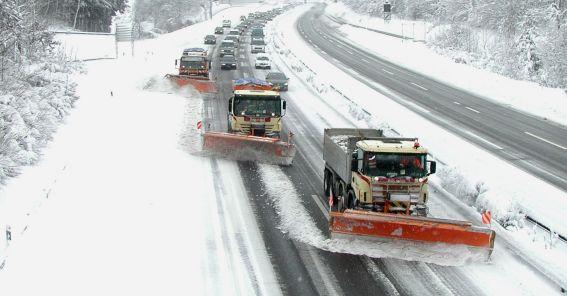 di Massimo Pieraccini – Previsioni meteo
Le precipitazioni nevose e le ghiacciate sono eventi atmosferici non sempre prevedibili con esattezza, ma oggi grazie ai moderni strumenti di previsione sono identificabili con più precisione per cui si consiglia tutti d’informarsi sempre sulle previsioni meteo locali e di seguire le possibili allerte comunicate della Protezione Civile la cui sala operativa è sempre attiva 24 ore su 24 (tel. 800 840 840).
Tutte le eventuali allerte le potrete trovare sempre aggiornate anche in rete sulla nostra pagina Facebook “Nucleo Operativo Protezione Civile”.
Cosa fare per la propria auto
All’approssimarsi dei mesi invernali è buona norma effettuare i seguenti controlli tecnici alla propria auto:
verificare che i tergicristalli siano perfettamente a filo con la superficie da liberare dall’acqua;
controllare la batteria che con il freddo corre il rischio di scaricarsi;
mettere l’antigelo nel radiatore e nel liquido per pulire i parabrezza;
se si intende viaggiare frequentemente su strade innevate è opportuno sostituire i pneumatici tradizionali con quelli specifici per la neve che hanno mescole più adatte al freddo e disegni capaci di assicurare una migliore aderenza.
Le catene da neve devono comunque essere sempre pronte all’uso, perché in presenza di neve abbondante i pneumatici invernali potrebbero non essere sufficienti. Inoltre l’inosservanza di questo consiglio potrebbe costare una multa: attenzione, i controlli sono già iniziati con le prime sanzioni elevate. Le catene devono essere utilizzate solo sulle strade coperte di neve per non correre il rischio di danneggiarle, compromettere la sicurezza di guida e non rischiare guasti agli organi di assetto.
Cosa fare per la viabilità
In auto oltre ad essere obbligatorio l’uso di pneumatici da neve o catene è consigliato tenere sempre a portata di mano un paio di guanti da lavoro e il montaggio delle catene deve essere sempre provato prima del verificarsi della situazione d’emergenza.
Durante l’evento nevoso non aspettare mai a montare le catene da neve quando si è già in condizioni di difficoltà specie se si devono affrontare percorsi con presenza di salite e discese anche di modesta pendenza.
Evitare di proseguire nel viaggio se non si ha un minimo di pratica di guida sulla neve e se ci si sente in difficoltà o non si ha il corretto equipaggiamento. Parcheggiare la propria auto in sicurezza sul lato della strada e a piedi trovare un rifugio idoneo.
Non abbandonare l’auto in condizioni che possono costituire impedimento alla normale circolazione degli altri veicoli ed in particolare dei mezzi operativi e di soccorso.
Aiutare le persone in difficoltà e non esitare a richiedere aiuto in caso di necessità, o meglio in caso di dubbio se non siete perfettamente sicuri su come fare per montare le catene, per posteggiare l’auto anche all’interno di proprietà private, per avere consigli ed indicazioni, etc.
Preferire sempre, per quanto possibile, l’utilizzo dei mezzi pubblici e non utilizzare mai i veicoli a due ruote.
Indossare abiti e soprattutto calzature idonee all’eventualità di sostenere spostamenti a piedi.
Cosa fare se vi trovate bloccati in auto in mezzo a un ingorgo
Se vi trovate bloccati nel mezzo di un ingorgo stradale siccome non sapete quanto potrà durare fate attenzione a quanto carburante avete in macchina e se il serbatoio è meno di un quarto non tenete costantemente il motore acceso, ma alternate accensione e spegnimento in ragione di 10 minuti di accensione e 30 di spegnimento per mantenere il motore e l’abitacolo in temperatura.
In questi casi l’autoradio è una risorsa preziosa, stiamo cercando di attivare un network di radio locali che in caso di emergenza siano disponibili a dare informazioni sulle condizioni della viabilità e consigli su eventuali percorsi alternativi.
Non attaccatevi al cellulare chiamando tutti per informarli della vostra disavventura o chiedere aiuto perchè non sapete quanto dovrete stare nella situazione in cui vi trovate e spesso i numeri di emergenza sono intasati; risparmiate la batteria del vostro cellulare, può essere determinante. Individuate una persona a casa o in ufficio che faccia per voi da tramite chiamando la polizia stradale, la Protezione Civile e il Comune per avere informazioni e fare eventuali richieste di aiuto. Usando il cellulare solo per parlare col vostro tramite allungherete la durata delle vostre batterie e la possibilità di restare in contatto.
Qualora dobbiate fare delle richieste di aiuto urgenti siate pronti a fornire i seguenti dati: strada in cui vi trovate (esempio: Autostrada A1 oppure SGC oppuree FIPILI) nel caso non conosciate il nome della strada almeno cercate di sapere indicare i nomi delle uscite più prossime e la direzione che state percorrendo (esempio: da Firenze nord verso sud, oppure Superstrada tra Empoli e Montopoli in direzione Pisa).
Cosa fare a casa
Si consiglia a tutti di fornirsi di un’adeguata e idonea scorta di sale da utilizzare per la viabilità privata (anche pedonale) e per gli eventuali marciapiedi esterni; di dotare ogni stabile (organizzandosi fra condomini) di un’attrezzatura minima come badili e pale da neve.
E’ necessario che infatti in caso di ghiacciate e nevicate per tutelare l’incolumità pubblica tutta la cittadinanza s’impegni a rimuovere neve e ghiaccio davanti alle proprie abitazioni e esercizi commerciali, pulire la cunetta stradale, liberare caditoie e tombini per agevolare il deflusso delle acque, spargere un adeguato quantitativo di sale se è previsto gelo, aprire varchi in corrispondenza degli attraversamenti pedonali ed incroci stradali, abbattere eventuali lame di neve e ghiaccio pendenti da tetti cornicioni e grondai e rimuovere le autovetture parcheggiate a bordo strada per permettere di liberare le carreggiate.
Tutto questo non è solo dovere civico di ogni cittadino, ma un preciso obbligo del regolamento di polizia municipale che non tutti conoscono!
In caso sia necessario muoversi a piedi prestando attenzione che dai tetti o dai cornicioni non ci sia pericolo di caduta di cumuli di neve, specie nei giorni successivi alla nevicata durante il disgelo sono frequenti le cadute di cumuli dai tetti.
Come utilizzare correttamente il sale
Il sale può essere usato solo per intervenire su formazioni di ghiaccio di limitato spessore.
E’ consigliabile quindi, intervenire preventivamente con salature laddove ci siano preavvisi di formazione di ghiaccio tenendo presente che il sale non produce nessun effetto in presenza di eccessivi spessori e/o in presenza di temperature troppo rigide (inferiori a -10°).
In caso di forti nevicate in atto togliere, prima di spargere il sale, quasi completamente la neve.
Il quantitativo di sale da spargere deve essere proporzionale allo spessore da sciogliere: esempio con un chilogrammo di sale si possono trattare 20 metri quadrati di superficie. Quantità superiori potrebbero danneggiare le pavimentazioni.
E’ doveroso ricordare che è sempre megllio utilizzare il sale specifico per disgelo e solo in caso di stretta necessità si può utilizzare il sale grosso da cucina.
Non usare mai acqua per eliminare cumuli di neve e ghiaccio soprattutto se su di essi è stato precedentemente sparso il sale.
Come proteggere la propria rete idrica
E’ bene all’approssimarsi della stagione più fredda prendere le giuste informazioni dal gestore del servizio idrico sulle misure da adottare per la protezione della rete idrica da possibili ghiacciate. Comunque sia è sempre opportuno proteggere il contatore da possibili ghiacciate, utilizzando materiali isolanti e in casa quando le temperature scendono sotto i -5° tenete costantemente aperto un flusso di acqua da almeno uno dei rubinetti.
by Massimo Pieraccini –Forecast
Snowfall and icy weather events tramadol toothache are not always predictable with accuracy, but today thanks to modern forecasting tools can be identified more precisely why you should always be fully aware of all local weather and follow the possible alerts sent Protection Civil whose operations room is always open 24 hours 24 (tel. 800 840 840).
All possible alerts you can always find the latest in a network on our Facebook page “Operational Unit Civil Protection”.
What to do for your car
As we approach the winter months it is advisable to carry out the following engineering controls to your car:
verify that the wipers are perfectly flush with the surface to be free from water;
check that the battery with the cold runs the risk of discharge;
put the antifreeze in the radiator and liquid to clean the windshield;
if you plan to travel frequently on snow tires should be replaced with conventional ones specific to the snow that compounds more suitable for cold and designs that ensure a better grip.
Snow chains must always be ready for use, because in the presence of abundant snow winter tires may not be enough. In addition, failure to comply with this advice could cost you a fine: attention, controls have already begun with the first high penalties. The chains must only be used on snow-covered roads to avoid the risk of damage, impair driving safety and to avoid damage to the organs of attitude.
What to do for the road
Drive as well as being mandatory to use snow tires or chains is recommended to always keep on hand a pair of work gloves and the use of snow chains should always be tried before the occurrence of the emergency situation.
During the event snowy never wait to mount snow chains when you are already in difficulty especially if you have to face the presence of paths with ascents and descents too small slope.
Do not go on the trip if you have a bit of practice driving on snow and if you feel stuck or do not have the proper equipment. Park your car safely on the side of the road and walk to find a suitable shelter.
Do not leave your car in the conditions that may obstruct the normal flow of other vehicles and in particular of operational resources and emergency.
Helping people in need and do not hesitate to ask for help when needed, or rather if in doubt if you are not completely sure on how to mount the chains to park your car even within private property, for advice and information, etc..
Always preferable, where possible, the use of public transport and never use the two-wheeled vehicles.
Wear appropriate footwear and especially the possibility to support walking.
What to do if you find yourself stuck in the car in the middle of a traffic jam
If you find yourself stuck in the middle of a traffic jam because you do not know for how long, be careful how much fuel you have in the car and if the tank is less than a quarter do not constantly keep the engine running, but alternate on and off at a rate of 10 minutes Ignition and 30 off to keep the engine and the passenger compartment in temperature.
In these cases, the radio is a valuable resource, we are trying to activate a network of local radio in case of emergency are available to give information on traffic conditions and advice on possible alternative routes.
Do not get attached to the phone calling everyone to let them know of your misfortune or ask for help because you do not know what you need to be in a situation where you are and often emergency numbers are clogged, save the battery of your phone, can be decisive. Identify a person at home or in the office to do for you by calling from the traffic police, Civil Defence and the Municipality for information and make any requests for help. Using the phone just to talk through with your lengthen the life of your batteries and the ability to stay in touch.
If you need to make urgent requests for help, be prepared to provide the following information: the street where you are (eg: A1 or SGC FIPILI or and) if you do not know the name of the road at least try to know the names of the outputs indicate closer and the direction you are traveling (eg from Florence north to south, or highway between Empoli and Pisa Montopoli in direction).
What to do at home
We recommend all to be equipped with an adequate and appropriate supply of salt to be used for private roads (including pedestrian) for any sidewalks external to equip each building (organizing among condominiums) minimum of equipment such as shovels and wheel Snow.
And ‘in fact necessary in the event of ice and snow to protect public safety all citizens to undertake to remove snow and ice in front of their homes and businesses, clean the gutter road, clear drains and manholes to facilitate the flow of water, spread an appropriate amount of salt if frost is expected, open gates at pedestrian crossings and intersections, break down any blades in snow and ice hanging from roof eaves and grondai and remove cars parked at the roadside to allow the free roadways.
This is not only a civic duty of every citizen, but a precise obligation of the Rules of the municipal police that not everyone knows!
If you need to walk around making sure that the roof or the eaves there is no danger of falling snow drifts, especially in the days after the snowfall during the thaw are frequent drops in heaps from the rooftops.
How to properly use the salt
The salt can be used to act only on ice formations of limited thickness.
E ‘therefore advisable to take preventive action by salting where there are notices of ice formation bearing in mind that the salt does not produce any effect in the presence of excessive thickness and / or in the presence of too rigid temperatures (below -10 °).
In the event of heavy snowfall in place to remove, before shedding the salt, almost completely snow.
The amount of salt to be spread must be proportional to the thickness to be solved: an example with one kilogram of salt can treat 20 square meters. Larger quantities can damage the flooring.
It ‘important to remember that it is always megllio use salt specifically designed to thaw and only when strictly necessary, you can use the coarse salt.
Never use water to remove accumulated snow and ice on them especially if it was previously scattered salt.
How to protect your water supply
And ‘well the approach of the cold season to make the right information from the manager of water services on measures to be taken to protect the water supply from possible ice. However it is always advisable to protect the meter from being frozen, using insulating materials and in house when temperatures fall below -5 ° keep constantly open to a flow of water for at least one of the taps.
Dic 15, 2012 | Eventi, Firenze, Garfagnana, Lunigiana, Montagna Pistoiese, Monte Amiata
 di redazione – La stagione dello sci è partita alla grande in quasi tutte le località toscane in occasione dello scorso week end, che coincideva con la festività dell’Immacolata.
Il Sistema neve della nostra regione si propone come un complesso articolato di grandi comprensori e stazioni più piccole. Tutte belle, tutte sciabili e perchè no anche solo passeggiabili fra boschi intonsi e natura rigogliosa.
Sono 5 le grandi aree della “Toscana Bianca”: Abetone e Doganaccia di Cutigliano sull’Appennino pistoiese, Amiata sull’omonimo monte che separa la provincia di Siena da quella di Grosseto, Casone di Profecchia, Passo Radici e Careggine in Garfagnana e infine Zum Zeri in Lunigiana, quasi al confine con Liguria e Emilia Romagna.
Le piste al momento, sono coperte da neve naturale e da neve programmata. Ancora nel corso della mattinata di ieri venerdì nevicava in molte località, ma il rialzo delle temperature soprattutto di oggi (con neve solo sulle cime più alte) e il miglioramento atteso per domenica, fanno essere la situazione in costante evoluzione come si dice in questi casi.
Si consiglia quindi più che mai a tutti gli appassionati di sci, ai turisti bianchi e quanti vogliono scoprire le montagne d’inverno di seguire sempre con attenzione tutti gli aggiornamenti del sito www.toscananeve.it e i portali delle singole località.
Per quanto riguarda le singole località iniziamo col dire che all’Abetone gli impianti saranno tutti aperti nel fine settimana (info www.multipassabetone.it).
Sull’Amiata invece è prevista l’apertura degli skilift Jolly, delle seggiovie Cantore e Macinaie e della pista di fondo (www.amiataneve.it).
Si scia bene anche alla Doganaccia, dove sono aperti tutti gli impianti.
In Garfagnana per il fine settimana è invece prevista l’apertura totale a Careggine e al Casone di Profecchia. Al Passo Radici invece sono aperti tutti i tracciati di fondo collegati a Piandelagotti. Chiusa ancora invece la stazione di Zum Zeri in Lunigiana.
Per quanto riguarda infine le promozioni in vista delle imminenti festività ricordiamo che all’Abetone, fino al 25 dicembre, gli under 14 sciano con un solo euro al giorno in qualsiasi giorno della settimana, se accompagnati da un adulto pagante.
Fino al 21 dicembre poi lo skipass feriale, dal lunedì al venerdì, costa solo 24 euro.by redaction – The ski season is playing great in almost all places in Tuscany during the last weekend, which coincided with the feast of the Immaculate Conception.
The system snow in our region is proposed as a complex set of large districts and smaller stations. All beautiful, all skiable and why not just passeggiabili between uncut forests and lush vegetation.
There are 5 major areas of “Tuscany White”: Abetone and Doganaccia Cutigliano Pistoia Apennines, Amiata on the mountain that separates the province of Siena from Grosseto, Casone Profecchia, Step Roots and Careggine in Garfagnana and finally Zum zeros in Lunigiana, near the border with Liguria and Emilia Romagna.
The tracks at the moment, are covered by snow and natural snow. Even during the morning of Friday it snowed yesterday in many places, but the rise in temperatures above today (with only snow on the highest peaks) and the expected improvement for Sunday, are to be the situation is constantly evolving as they say in these cases.
It is therefore recommended more than ever to all skiers, tourists and those who want to discover the white mountains winter always follow closely all site updates www.toscananeve.it and portals of each resort.
With regard to the individual locations begin by saying that Abetone facilities will be open all weekend (info www.multipassabetone.it).
Amiata instead is expected to open the ski lifts Jolly, chair of Cantore and Macinaie and trail (www.amiataneve.it).
You can ski well to Doganaccia, where all facilities are open.
In Garfagnana for the weekend is instead expected to open in full Careggine and Casone Profecchia. Step Roots instead are open to all basic tracks connected to Piandelagotti. Still rather closed station Zum Zeri in Lunigiana.
Finally, as regards the promotion for the forthcoming holidays remember that Abetone, until December 25, children under 14 ski for one euro per day on any day of the week, when accompanied by a paying adult.
Until December 21, then pass on weekdays, Monday through Friday, it costs only 24 euro.
