Ago 1, 2013 | Enogastronomia, Lunigiana, Massa Carrara
 di Nadia Fondelli – E’ impossibile dire Lunigiana senza parlare dei “testi”, elemento fondamentale della tipicità della zona e non solo culinariamente parlando. Il testo è molto di più, è parte stessa della cultura e della tradizione di Lunigiana. In esso vengono cotti gli impasti di farina, le varie torte d’erbe e di verdure salate, le carni di agnello della zona e perfino di dolci.
Impossibile quindi sedersi a tavola in Lunigiana, scoprire le sue specialità prescindendo dal testo. L’origine del testo si perde nella notte dei tempi, quando in questa terra si scolpivano le misteriose stele.
Fino a qualche decennio fa la costruzione dei testi era un’attività per molte famiglie della zona, si costruivano in terracotta utilizzando le materie prime estratte dai monti: argilla e pietra refrattaria che impastate, erano ottime per resistere al fuoco.
La fornace si trovava quasi sempre in un angolo del seccatoio e anche oggi, pochi irriducibili discendenti di quelle famiglie ancora producono i testi con l’antica tecnica. Si tratta però quasi sempre dei testi piccoli, quelli dove si cucinano i panigacci, le focaccette, le pattone e il castagnaccio.
Diffusissimi oggi sono i testi in ghisa costituiti da due elementi: il soprano (il coperchio rialzato fatto a forma di piccola cupola) e il sottano (la parte sottostante).
I due elementi vengono posti a scaldare sul fuoco separatamente, quindi riempiti con le sostanze da cuocere e poi unite le due parti. La cottura si ultima ponendo le braci sopra al testo.
Ma quale legno scegliere per la cottura? Una scelta fondamentale, quasi un’arte. Le fascine vengono scelte a seconda di cosa deve essere cotto e determinano il gusto finale della pietanza.
Ecco il vero segreto dei grandi piatti di Lunigiana: il testo.
Il testarolo
E’ un antico pane azzimo senza lievito circolare (dalla forma del testo) con uno spessore di 2-3 mm. circa. La farina di grano viene amalgamata con acqua tiepida e sale fino all’ottenimento di una pastella molto liquida.
A questo punto si scaldano i testi di ghisa sul fuoco vivo e una volta ben caldi, vi si versa sopra la pastella che spandendosi nel “sottano” ne assume la circonferenza formando un disco. Adesso si copre col “soprano” e si lascia cuocere pochi minuti. Una volta cotto il testarolo viene tagliato a rombi e fatto rinvenire in acqua bollente ferma.
Una volta scolato viene condito con olio extra vergine d’oliva, pecorino grattugiato e pesto. Alcune moderne varianti propongono i testaroli anche con condimenti di vongole e altri sughi di pesce.: Comunque sia è ottimo. Se volte acquistarlo viene venduto sfuso nei forni e nei negozi di generi alimentari della zona e commercializzato a più ampio raggio sottovuoto.
I panigacci
E’ anch’esso un piatto antichissimo legato alla tradizione dei testi. Si amalgama la farina di grano con acqua tiepida come per i testaroli, ma in questo caso la pastella che si deve ottenere è di media consistenza.
Si cuoce nei testi di terracotta preventivamente riscaldati su fuoco vivo. Quando assumono una colorazione chiara i testi vengono estratti dal fuoco vivo, riempiti dell’impasto e impilati in modo che la cottura del panigaccio avvenga fra un testo e l’altro.
La torta d’erbe
Straordinaria nelle sue mille varianti di erbe spontanee della zona. La sua squisitezza è dovuta alla combinazione degli ingredienti: erbe spontanee e ortaggi della zona diverse a seconda della stagione, ma straordinariamente diverse anche da valle a valle.
La torta assume ovviamente la forma del testo in cui viene cotta, si presenta quindi circolare e il suo ripieno è di un verde intenso. I periodi migliori per degustarla sono marzo-maggio e settembre-dicembre.
Le erbe spontanee sono: borragine, bietole, cipolle, spinaci selvatici, asparagi selvatici, porri, carote, pimpinella, orecchie d’asino, cime di ortiche, finocchietto selvatico, cicerbita, pan e vin, grassa porci, valerianella, centocchio, luppolo, cime di rovo, etc…
Una volta lavate vengono cotte in acqua bollente salata e spesso tagliuzzate ancora da crudo. Si mettono quindi in una terrina per essere impastate con gli altri ingredienti ovvero: parmigiano, pane grattato, sale e olio.
A parte si prepara la pasta di farina e acqua; una volta ottenuto un impasto compatto si stende una sfoglia, che viene adagiata nel “sottano” del testo e sopra si dispone l’impasto d’erbe poi si ricopre con la parte restante della sfoglia. Si chiude poi il testo e si ricopre il tutto con la brace calda per ultimare la cottura per cui serve circa mezz’ora.by Nadia Fondelli – It ‘s impossible to say can i buy vigrx plus at a store Lunigiana not to mention the “testi”, a key element of the character of the area and not just talking about seasonal cooking. The testi is much more, is part of the same culture and tradition of Lunigiana. In it are cooked dough of flour, cakes of various herbs and salted vegetables, meat of lamb in the area and even desserts.
Therefore impossible to sit at the table in Lunigiana, discover its specialties apart from the testi. The origin of the testi is lost in the mists of time, when in this land were carved the mysterious stele.
Until a few decades ago the construction of testi was an activity for many families in the area were built in terracotta using the raw materials extracted from the mountains, clay and refractory stone which knead, they were great to resist fire.
The furnace was almost always in a corner of the squeegee and even today, a few diehard descendants of those families still produce testi with the ancient technique. It is, however, almost always of small text, the ones where you cook the panigacci, the focaccette, the pattone and castagnaccio.
Ubiquitous today are the testi in cast iron consisting of two elements: the soprano (the raised cover made in the shape of small dome) and the sottano (the part below).
The two elements are placed on the fire to warm separately, then filled with the substance to be cooked and then add the two parties. The last cooking by placing the coals on top of the text.
But what wood should you use for cooking? A fundamental choice, almost an art. The bundles are chosen depending on what needs to be cooked and determine the final taste of the dish.
Here’s the real secret of the great dishes of Lunigiana text.
The testarolo
It ‘an ancient unleavened bread without yeast circular (the shape of the testo) with a thickness of 2-3 mm. about. The wheat flour is mixed with warm water and salt until a very liquid batter.
At this point, the cast-iron pans are heated over an open fire and once very hot, you pour the batter in that “sottano” assumes the circumference forming a disc. The time now is covered with the “soprano” and cook a few minutes. Once cooked testarolo is cut into diamond shapes and done soaked in boiling water stops.
Once drained is seasoned with extra virgin olive oil, parmigiano cheese and pesto. Some modern variants also offer testaroli with toppings of clams and other seafood sauces.: Whatever is great. If you buy it sometimes is sold in bulk ovens and grocery stores in the area and marketed on a larger scale vacuum.
The panigacci
It ‘also an ancient dish in the tradition of the testi. Amalgamates the wheat flour with warm water as for testaroli, but in this case the batter to be obtained is of medium consistency.
It is baked in a terracotta testo previously heated on high heat. When stain clear testo are extracted from the live fire, filled dough and stacked so that the cooking of the panigaccio occurs between a text and another.
The vegetable pie
Extraordinary in its several variants of wild herbs in the area. Its delicacy is due to the combination of ingredients: herbs and vegetables in the area differ depending on the season, but also extraordinarily different from valley to valley.
The cake is obviously of the form of the text in which it is cooked, is therefore circular and its filling is a deep green. The best times to enjoy it are March-May and September-December.
The herbs are: borage, beets, onions, wild spinach, asparagus, leeks, carrots, salad burnet, donkey ears, tops of nettles, wild fennel, sow-thistle, pan e vin, fat hogs, corn salad, Centocchio, hops, The Thorn tops, etc …
After washing are cooked in boiling salted water and shredded often still raw. He then put in a bowl to be mixed with other ingredients such as: Parmesan cheese, bread crumbs, salt and oil.
Aside from preparing the dough of flour and water, once you get a firm dough is spread a sheet, which is nestled in the “sottano” text above and you have the mixture of herbs and then cover with the remaining portion of the dough . Then closes the text and everything is covered with hot embers to finish cooking that serves about half an hour.
Mag 27, 2013 | Chianti Classico, Crete Senesi, Enogastronomia, Siena, Val d'Elsa | Val di Merse, Val d'Orcia | Val di Chiana, Val di Cornia, Val Tiberina
 di redazione – Un grande mese il giugno che ci attende per “Girogustando”, la manifestazione che dal 2002 unisce in Terra di Siena ristoranti e culture culinarie diversi.
Un giugno ricco di tanti spunti fra provocazioni e nonsense. Meglio un pesce povero, un pesce finto o un pesce d’oro? E se il pesce d’oro si trasforma in carne chianina? O se un brigante si mette a legger poesia?
Ecco le serate di giugno dove “i cuochi d’Italia s’incontrano”.
Dopo i primi dieci appuntamenti primaverili tra marzo e maggio, le cinque date in Umbria in aprile e le prime due in provincia di Padova a maggio, la kermesse dei menu a quattro mani propone, sulla soglia dell’estate, altre cinque ghiotte occasioni di confronto e conoscenza in linea con la propria mission 2013 secondo la quale “la cultura vien mangiando”.
Lombardia, Piemonte e Toscana a… Siena. Il calendario senese della manifestazione riparte alla grande mercoledì 5 giugno a Poggibonsi quando il prestigioso Ristorante da Alcide, più di un secolo e mezzo di storia alle spalle, ospiterà l’Osteria di San Cerbone di Massa Marittima (Grosseto), per una serata di riscossa del cosiddetto ‘pesce dimenticato’.
A caratterizzare il menu a quattro mani saranno cefali, moscardini, tremole ed altri freschi esemplari di quella vasta cerchia di pescato facilmente disponibile nell’arcipelago toscano ma troppo spesso sacrificato a beneficio di tipologie più blasonate e lontane per provenienza.
La sera seguente, giovedì 6 giugno, Girogustando si sposta da nord a sud della provincia di Siena. Sul lago di Chiusi “Torlo vini – enoteca con cucina” di Torino farà visita al ristorante Pesce d’oro, che a dispetto del nome si dedicherà per l’occasione esclusivamente agli eccellenti prodotti della terra.
Le due femme cuisineMarta Torlo e Gianna Manfano metteranno a confronto la Fassona piemontese con la Chianina; grazie ai sommelier Ais, il confronto Piemonte-Toscana interesserà anche i rispettivi vitigni Nebbiolo e Sangiovese.
Mercoledì 12 giugno si risalirà poi verso Siena, e parallelamente, anche sui crinali della storia. A Murlo, centro strategico della civiltà etrusca, la Locanda dei Briganti di Gropparello (Piacenza) sarà ‘alloggiata’ per una sera nella Trattoria il Libridinoso: in preda alla passione per libri e scritti in genere, la cuoca Donatella Barcelli alternerà pietanze tradizionali a readings di ‘poesie mangerecce’, interpretate in sala dall’attore senese Camillo Zangrandi.
Umbria e Valdichiana in trasferta a… Padova. Contemporaneamente, il mese di giugno proporrà anche la terza e quarta tappa di Girogustando a Padova e provincia: dopo le prime due serate in maggio, i gemellaggi gastronomici in terra veneta ripartiranno martedì 4 giugno a Santa Giustina in Colle, dove il ristorante l’Angolo di Acquaviva di Montepulciano sarà ospite del ristorante Bianchi, 40 anni di gestione familiare oggi splendidamente proseguita da quattro sorelle, ovvero la nuova generazione della famiglia.
Più avanti, alla vigilia del solstizio d’estate, menu a quattro mani di scena a Vigonza: qui giovedì 20 giugno il ristorante Ai Molini ospiterà Le Macerine di Castiglion del Lago (Perugia).
La Cultura vien mangiando. A riprova dello slogan 2013 di Girogustando, le esposizioni di opere d’arte ed i “live paintings” in programma anche nelle serate di giugno, protagonisti pittori e scultori toscani e veneti. Il cartellone di eventi Girogustando per il 2013 proseguirà fino al mese di novembre.
Info: www.girogustando.tv
by redaction – A increase semen volume pills great month June that awaits us for “Girogustando”, the event that since 2002 combines Sienna restaurants and different culinary cultures.
A June full of many ideas between provocation and nonsense. Better a poor fish, a fish or a fake gold fish? And if the golden fish turns into Chianina beef? Or if a robber gets from reading poetry?
Here are the evenings of June where the “chefs in Italy meet.”
After the first ten appointments spring between March and May, the five dates in Umbria in April and the first two in the province of Padua in May, the festival menu offers four hands on the threshold of summer, five other delicious opportunities for comparison and knowledge in line with its mission 2013 seconds which “culture comes with eating.”
Lombardy, Piedmont and Tuscany … Siena. The timing of the event starts great Sienese Wednesday, June 5 at Poggibonsi when the prestigious Restaurant from Alcide, more than a century and a half of history, will host the Osteria di San Cerbone of Massa Marittima (Grosseto), for an evening of rescue the so-called ‘forgotten fish’.
To characterize the menu for four hands will be mullet, octopus, aspens and other fresh specimens of that vast circle of fish readily available in the Tuscan archipelago but too often sacrificed for the benefit of the most renowned types and for distant origin.
The following evening, Thursday, June 6, Girogustando moves from north to south of the province of Siena. Lake Chiusi “Torlo wines – wine cellar with kitchen” in Turin will visit the restaurant Golden Fish, which despite the name will devote exclusively for the occasion and excellent products of the earth.
The two femme cuisine Marta Torlo and Gianna Manfano will compare the Fassona Piedmont with the Chianina, and thanks to AIS sommelier, comparison-Piedmont Tuscany also affect their Nebbiolo and Sangiovese.
Wednesday, June 12 will then ascend towards Siena, and in parallel, even on the ridges of the story. A Murlo, strategic center of the Etruscan civilization, Locanda dei Briganti Gropparello (Piacenza) will be ‘housed’ for an evening in the Trattoria Libridinoso: in the throes of passion for books and writings in general, the cook traditional dishes Donatella Barcelli alternate readings of ‘edible poems’, played by the actor in the hall of Siena Camillo Zangrandi.
Umbria and Val di Chiana away in … Padova. At the same time, the month of June will also feature the third and fourth stage of Girogustando in Padua: after the first two nights in May, twinning food in Veneto will share Tuesday, June 4 in Santa Giustina in Colle, where the restaurant’s Corner Acquaviva di Montepulciano will be a guest of the restaurant Bianchi, 40 years old, family-run beautifully today continued by four sisters, or the new generation of the family.
Later, on the eve of the summer solstice, four-hand menu of scene in Vigonza: here Thursday, June 20 the restaurant will host Ai Molini The Macerine of Castiglione del Lago (Perugia).
Culture comes with eating. As evidence of the slogan Girogustando 2013, the exhibitions of works of art and the “live paintings” also scheduled in the evenings of June, players painters and sculptors Tuscany and Veneto. Girogustando The program of events for 2013 will continue until November.
Info: www.girogustando.tv
Mag 16, 2013 | Arcipelago | Costa degli Etruschi, Argentario, Città del Tufo | Colline Metallifere, Enogastronomia, Grosseto, Maremma, Monte Amiata
 di Nadia Fondelli – 120 espositori tra wine, food e artigianato artistico, 8 tra associazioni e consorzi di valorizzazione delle produzioni, oltre 50 buyers provenienti da 14 Stati di tutto il mondo, tra cui Emirati Arabi, Usa, Germania, Inghilterra, Taiwan, giornalisti di fama internazionale… ed una cornice straordinaria e quanto mai suggestiva: il centro storico del capoluogo maremmano. Questa sarà l’edizione 2013 del Maremma WineFood Shire che si svolgerà a Grosseto il 17, 18 e 19 maggio.
Profumi e sapori saranno protagonisti della raffinata vetrina fra vie e piazze, assicurando un’atmosfera coinvolgente ed unica fino alla tarda serata. Il calendario è ricchissimo di appuntamenti tra convivialità, cultura del gusto e valore del cibo. Parteciperanno con i loro prodotti, dal vino ai salumi ai formaggi, le maggiori e più prestigiose aziende agricole della provincia, mentre chef, esperti enogastronomici, enologi, operatori del settore accompagneranno buyers, ospiti e cittadini nel viaggio alla scoperta dei sapori di questa terra meravigliosa.
Tantissimi eventi per grandi e piccini, esperti e neofiiti nella tre giorni fra cui un laboratorio del gusto per bimbi che si cimenteranno alla scoperta con un a “caccia al cacio” per riconoscere i formaggi maremmani; un pomeriggio itinerante col “Golosario” di Palo Massobrio accompagnato dai canti dei Briganti di Maremma per le vie del centro. Poi ancora cinema e vino con curiosi abbinamenti fra vini e film e poi tante degustazioni, show cooking e molto altro ancora.
E non finisce qui perchè Maremma WineFood Shire è anche Festa della Maremma, un contenitore più ampio ed ancora più ambizioso, volto allo sviluppo economico del territorio, che allarga il calendario delle iniziative dalla città agli altri comuni del territorio.
Oltre ai due assets principali, quali enogastronomia e turismo, con la Festa si vuole promuovere e far conoscere la qualità della vita in provincia di Grosseto, le sue tradizioni, i suoi paesaggi, la sua cultura, le sue eccellenze anche nel campo dell’arte.
La Festa della Maremma porta con sè un’altra vasta serie di appuntamenti, come mostre di artisti locali, visite guidate ai musei, rappresentazioni teatrali, danze popolari, gite a tema, da Semproniano a Manciano alle vie cave di Sovana, alla scoperta dei borghi più affascinanti di una terra davvero straordinaria e dalle grandi potenzialità.
Un evento, mille eventi:
Info:
17,18,19 maggio centro storico di Groosseto
programma completo e ulteriori informazioni http://maremmawineshire.it
by Nadia Fondelli vigrx plus does not work – 120 exhibitors including wine, food and crafts, 8 between associations and consortia product promotion, more than 50 buyers from 14 countries around the world, including United Arab Emirates, USA, Germany, England, Taiwan, journalists internationally renowned … and a stunning setting and very impressive: the historical center of the capital of Maremma. This will be the 2013 edition of the Maremma Winefood Shire to be held in London on 17, 18 and 19 May.
Aromas and flavors of fine showcase will be featured in roads and squares, providing an immersive atmosphere and only until the late evening. The calendar is full of events including conviviality, culture of taste and food value. Participate with their products, from wine to meats to cheeses, the largest and most prestigious farms in the province, while chefs, wine experts, wine makers, operators will accompany buyers, guests and citizens in the journey to discover the flavors of this wonderful land .
Plenty of events for young and old, experienced and neofiiti over the three days including a tasting workshop for children who will be challenged to discover a to “hunt cheese” to recognize cheeses Maremma, a walk in the afternoon with the “Golosario” Palo Massobrio accompanied by the singing of the Brigantes of Maremma through the streets of downtown. Then again with curious film and wine pairings between wine and movies and so many tasting, show cooking and much more.
It does not end here because Maremma Winefood Shire is also the Feast of Maremma, a container wider and more ambitious, aimed at economic development of the territory, which widens the calendar of initiatives from the city to the other municipalities in the area.
Besides the two major assets, such as food, wine and tourism, with the Feast you want to promote and raise awareness of the quality of life in the province of Grosseto, its traditions, its landscapes, its culture, its excellence in the field of art .
The Festa della Maremma brings another wide range of events, such as exhibitions by local artists, guided visits to museums, plays, folk dances, theme rides, from Semproniano Manciano to vie cave of Sovana, the discovery of the villages a land of the most fascinating and really amazing with great potential.
An event, a thousand events:
Info:
May 17,18,19 historic center of Groosseto
program and more information http://maremmawineshire.it
Mag 14, 2013 | Enogastronomia, Firenze
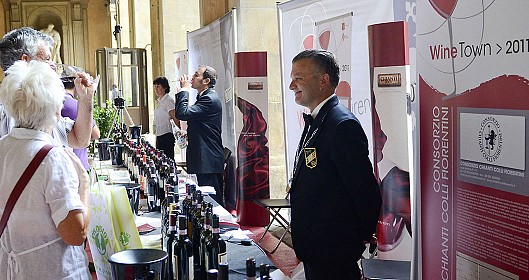 di redazione – degustazioni, musica, spettacoli e cultura in palazzi storici venerdì 17 e sabato 18 maggio a Firenze dalle ore 15 alle 23.
12 grandi dimore storiche fiorentine apriranno i loro cortili e giardini per la quarta edizione di WineTown, l’ormai consolidata manifestazione che vede l’intreccio inusuale di degustazioni di vino di qualità, concerti e spettacoli.
“Da quest’anno – annuncia Francesco Spanò, Presidente del Comitato WineTown – l’evento si terrà in maggio,
anziché in settembre, per favorire la presenza dei produttori di vino in prima persona, altrimenti impegnati nella vendemmia.
Così facendo, auspichiamo che sul nostro esempio altri operatori concentrino in questo periodo
gli eventi di promozione del vino di qualità in Toscana”.
La due giorni che inebria di gusto, profumi e musica il cuore di Firenze permette di scoprire, degustare e godere il vino di qualità, ascoltando i concerti che si concentreranno a Palazzo Pitti, Bargello e Loggia del Grano o assistendo a spettacoli teatrali di grande suggestione nei palazzi che si snodano tra via Tornabuoni, via del Proconsolo e l’Oltrarno.
Vino, musica e spettacoli selezionati rispettivamente da Davide Bonucci, dell’Enoclub Siena che propone un itinerario sul “Sangiovese Purosangue”, Gianni Pini di Eventi Music Pool che coordina i grandi concerti,
Alessandro Gigli e Alberto Masoni di TerzoStudio che sceglieranno gli artisti di strada interpreti degli spettacoli teatrali.
Naturalmente non mancherà il cibo, proposto in una formula originale da Sabino Bernardino.
Sarà possibile spostarsi di palazzo in palazzo con i risciò a pedali prenotabili sul sito www.winetown.it o da prendere lungo i percorsi dell’evento.
by redaction buy cialis viagra – Tastings, music, entertainment and culture in historic buildings Friday 17 and Saturday 18 May in Florence from 15 to 23. 12 great Florentine historic homes will open their yards and gardens for the fourth edition of WineTown, the well-established event that sees the intertwining of unusual quality wine tastings, concerts and shows.
“From this year – announced Francesco Spano, Chairman of the Committee WineTown – the event will be held in May,
rather than in September, increasing the number of wine producers in the first person, otherwise engaged in the harvest.
In doing so, we hope that other operators focus on our example in this period
events for the promotion of quality wine in Tuscany. ”
The two-day intoxicating taste, smells and music the heart of Florence allows you to discover, taste and enjoy quality wine, listening to the concerts that will focus at Palazzo Pitti, Bargello and Loggia del Grano or attending theatrical performances of great beauty in the palaces that wind between Via Tornabuoni, via del Proconsolo and the Oltrarno.
Wine, music and shows selected respectively by David Bonucci, dell’Enoclub Siena that offers a journey on the “Sangiovese Thoroughbred,” Gianni Pines Events Music Pool coordinating the big concerts, Alessandro Gigli and Alberto Masoni of TerzoStudio who choose the street performers performers of the theater.
Of course do not miss the food, in an original formula proposed by Sabino Bernardino.
It will be possible to move from palace to palace with pedal rickshaws www.winetown.it bookable on the site or to take along the paths of the event.
Apr 29, 2013 | Arcipelago | Costa degli Etruschi, Enogastronomia, Livorno
 di Nadia Fondelli – Torna, come ormai da tradizione a San Vincenzo, nel cuore del litorale livornese, l’annuale inno al pesce azzurro: quello verace del mare nostrum meno celebrato, ma decisamente benefico dal punto di vista salutaristico più di tanti altri pesci celebrati dagli chef più modaioli.
”La Palamita” quest’anno ci aspetta tutti il 4 e 5 maggio per la sua ottava edizione. Questa straordinaria rassegna enogastronomia del mare ci farà scoprire tutto il pesce azzurro in tavola con cibo da strada, degustazioni e tanta allegria fra il mercatino delle tipicità di Piazza Vittorio Veneto e i menù, aperitivi e cene a tema proposti dalle attività di San Vincenzo.
Protagonista assoluto ovviamente il pesce che da il nome alla rassegna, ovvero la palamita di cui, forse non avrete mai sentito parlare, ma sappiate però che siamo di fronte ad un pesce fratello minore del tonno e dello sgombro, scarso di spine e dalla carne gustosa che trova in cucina applicazione in un numero infinito di ricette.
La palamita oggi è un icona di tutto il cosiddetto “pesce povero” oltrechè essere un simbolo stesso di San Vincenzo tanr’è che è un presidio slow food che ha fatto, con grande successo, il suo debutto anche al Salone del Gusto di Torino, vero e proprio punto di riferimento del settore gastronomico.
Nella festa tutti coloro che arriveranno a San Vincenzo potranno scoprire tutti i pregi di questo straordinario prodotto vessillo della tradizione ittica italiana e fulcro dell’economia di queste zone.
Potrete provare le polpette di palamita, la palamita in forno con pomodorini oppure quella con cipollotti freschi e fagioli tanto per stuzzicarvi l’appetito.
Ma non solo. In questa originale festa del mare non fatevi mancare gli assaggi anche di tutte le altre prelibatezze, sorelle della palamita che con essere condividono la definizione di pesce azzurro ovvero: le sardine alla mediterranea, il tonno briaco, gli acerti in cartoccio con la mentuccia, la spuma di sgombro, le sardine sotto pesto, etc…
L’offerta e infinita e le vostre papille gustative ne godranno!
Un suggerimento da non mancare a cui potete aggiungere il fascino della primavera salmastra tirrenica, le uscite in barca a vela, le leggende che i pescatori del posto sono sempre pronti a narrarvi e la certezza che potrete incontrare fra le vie di San Vincenzo tanti nomi illustri che ben hanno capito l’importanza per la loro salute di nutrirsi con questo cibo sano, amico del portafoglio e totalmente made in Italy!
by Nadia Fondelli – The annual anthem to oily fish is back again, as is the tradition in San Vincenzo, in the heart of the Livorno coastline. The lesser celebrated fish from our sea, but undoubtedly much more beneficial in terms of health than the many other fish lauded by the hip chefs of the day.
”La Palamita” awaits us all on 4 and 5 May for its seventh year. This extraordinary seaside food and wine event lets us discover all those oily fish with street food, tastings and lots of fun on the local produce market in Piazza Vittorio Veneto and the menus, happy hours and themed dinners offered by businesses in San Vincenzo.
The star of the show is obviously the fish which gives the event its name, that is the bonito, which you may never have heard of, but you should know that this is the little brother of the tuna and mackerel, lacking in bones and with a delicious flesh that is used in an infinite number of recipes in the kitchen.
The bonito is now an icon of all the so-called “poor fish”, as well as being the symbol of San Vincenzo itself. It is also safeguarded by the Slow Food movement, successfully making its debut at the Salone del Gusto di Torino, a real point of reference of the gastronomic sector.
In the festival everyone who arrives in San Vincenzo will be able to discover all the benefits of this extraordinary product of the Italian fish tradition and the centre of the economy in these areas.
You can try bonito patties, baked bonito with cherry tomatoes or bonito with fresh spring onions and beans to satisfy your appetite.
That’s not all. At this original seaside festival make sure you taste all the other morsels, sisters of the bonito which shares the title of oily fish, that us Mediterranean-style sardines, tuna cooked in alcohol, mackerel baked with mint, mackerel mousse, sardines in pesto, etc.
The choice is endless and your palate will love them!
Just a suggestion to add the charm of the Tyrrhenian brackish spring, take a sailing boat trip and listen to the myths that the local fishermen are already ready to tell you and the certainty that you encounter lots of illustrious names in the streets of San Vincenzo who understood the importance of eating this healthy food, a friend to your wallet and genuinely Italian!
Apr 28, 2013 | Arcipelago | Costa degli Etruschi, Argentario, Enogastronomia, Grosseto, Litorale pisano, Livorno, Lucca, Maremma, Massa Carrara, Val di Cornia, Versilia
 di Nadia Fondelli – Oltre 80 aziende e 400 etichette per scoprire il meglio della produzione costiera toscana. A cornice degustazioni guidate, seminari e show-cooking con grandi chef. E ancora i vini della Georgia in assaggio nella Sala Ospiti, la mostra-mercato con artigiani del gusto e l’Enoteca dei Grandi Cru per l’acquisto di tutti i vini presenti.
Un lungo e grande week end quello di sabato 4, domenica 5 e lunedì 6 maggio 2013 al Real Collegio di Lucca per l’Anteprima dei vini della Costa Toscana, evento organizzato dall’Associazione Grandi Cru della Costa Toscanac he si fa in tre!
Una giornata in più infatti rispetto al passato; tre giorni in tutto per scoprire “l’altra Toscana” del vino, quella meno nota, nel suo tradizionale appuntamento annuale primaverile, giunto quest’anno alla XII edizione che porta in degustazione il meglio della produzione costiera: più di 80 viticoltori da Massa Carrara, Lucca, Pisa, Livorno e Grosseto, fra grandi aziende e piccole realtà a conduzione familiare che si racconteranno nel bicchiere attraverso l’assaggio di oltre 400 etichette fra campioni “en primeur” e annate in commercio.
Losfondo sarà quello splendido e consueto del Real Collegio di Luccain Piazza del Collegio, che vedrà il susseguirsi di numerosi eventi con apertura il sabato e la domenica dalle 11 alle 20 e il lunedì dalle 11 alle 18.
Fra gli eventi da segnalare il ciclo dei laboratori tematici guidati da giornalisti ed esperti di settoree l’ormai consueta finestra extra-territoriale che dopo la Bulgaria poterà nella sala degli Ospiti i produttori dellaGeorgia che presentare territori ed etichette(con tema “Le cinquemila vendemmie: la Georgia fra tradizioni plurimillenarie e vini contemporanei”),momento di incontro e conoscenza grazie al quale il pubblico potrà confrontarsi con prodotti non certo comune nel mercato nazionale!
Ad affiancare i tanti vini in assaggio – tutti acquistabili presso l’Enoteca saranno ancora una volta gli artigiani del gusto presenti al Real Collegio, protagonisti di una mostra-mercato che, oltre all’assaggio delle tante specialità presenti, permetterà una pausa pranzo fra una degustazione e l’altra.
L’Anteprima 2013 durerà come detto una giornata in più – il lunedì – rispetto alle passate edizioni, sempre aperta al pubblico, ma pensata in particolare per favorire la presenza degli operatori di settore, con possibilità di degustare i vini presenti in un clima di assoluta tranquillità e stabilire un contatto ancor più diretto con i produttori.
Informazioni:
Ingresso comprensivo dell’assaggio di tutti i vini 15 euro. 10 euro per soci Ais, Fisar, Onav e Slow Food, gratuito per gli operatori di settore (enoteche, ristoranti, wine-bar, distributori, agenti, importatori) previa consegna di biglietto da visita.
www.anteprimavini.com
di Nadia Fondelli – Over cialis daily 80 companies and 400 labels to find the best of the Tuscan coast. A frame tastings, seminars and show-cooking with great chefs. And yet the wines in the tasting room of Georgia Visitors, the fair-market with artisans of taste and the Grand Cru Wine Shop to purchase all the wines.
A great long weekend and one of Saturday 4 Sunday 5 Monday, May 6, 2013 at the Royal College of Lucca for the preview of the wines of the Tuscan Coast, an event organized by the Grand Cru Côte Toscanac he becomes three!
A day in fact more than in the past, three days in all to discover “the other Tuscan” wine, the less note in its traditional annual spring, now in its twelfth edition that brings in the best of taste coast: more than 80 winemakers from Massa Carrara, Lucca, Pisa, Livorno and Grosseto, between large companies and small companies, family-run will be told in the glass through the tasting of more than 400 labels between samples “en primeur” and vintages on the market .
The background will be the usual splendid and the Royal College of Lucca in Piazza del Collegio, which will see a succession of several events with opening on Saturdays and Sundays from 11 to 20 and on Mondays from 11 to 18.
Among the events to be reported the cycle of thematic workshops led by journalists and experts in the field and the now familiar window extraterritorial that after Bulgaria poterà room Guest producers that present territories of Georgia and labels (with the theme “The five harvests: Georgia plurimillenarie between traditions and contemporary wines “), moment of encounter and knowledge through which the public can not deal with certain common products in the domestic market!
Alongside the many wines available for tasting – can all be purchased at the Enoteca will once again be the artisans of taste present at the Royal College, involved in a trade show in which, in addition to the taste of the many specialties present, will allow a lunch break between a tasting and the other.
Preview The 2013 will last as I said one more day – Monday – compared to previous editions, always open to the public, but designed in particular to facilitate the presence of the operators in the sector, with the possibility of tasting the wines in an atmosphere of absolute peace and establish a more direct contact with the producers.
Information:
Admission includes tasting of all the wines € 15. 10 € for members Ais, Fisar, Onav and Slow Food, free for industry professionals (wine bars, restaurants, wine bars, distributors, agents, importers) after delivery of business card.
www.anteprimavini.com
