Mar 4, 2013 | Arte e cultura, Siena
 di Simone Focardi – Dal 1° Marzo, l’Opera della Metropolitana con l’arrivo della Pasqua propone, in occasione dell’anno della fede “Resurrexi. Dalla Passione alla Resurrezione”, un itinerario tra i capolavori del Complesso monumentale del Duomo di Siena.
Un’esposizione di grande valore che racconta attraverso le preziose miniature che compongono i manoscritti su pergamena, le pitture a fresco e i dipinti su tavola, gli ultimi momenti della vita di Cristo articolati in un suggestivo percorso all’interno del complesso monumentale del Duomo di Siena.
L’itinerario si sviluppa principalmente in due sedi: nella Cripta, ambiente interamente affrescato e nel Museo dell’Opera istituito nel 1860 per conservare i capolavori provenienti dalla cattedrale.
Il ciclo figurativo che si dispiega lungo le pareti della Cripta annovera episodi del Vecchio e del Nuovo Testamento.
Di particolare rilievo le quattro grandi scene dipinte sulla parete di fondo con la Crocifissione, la Deposizione dalla croce, la Deposizione nel sepolcro e la Resurrezione dei morti, realizzate da un gruppo di artisti senesi della seconda metà del Duecento.
Nelle sale attigue all’ambiente affrescato, dove si ammirano parte delle antiche strutture della basilica riconducibili al periodo che va dal XII al XIV secolo, sono esposti alcuni codici miniati provenienti dalla cattedrale e appartenenti alla liturgia pasquale dove nell’incipit latino dell’antifona d’ingresso della messa di Pasqua, Resurrexi, et adhuc tecum sum.Alleluia (Sono risorto, sono sempre con te. Alleluia), il Cristo si identifica e si fa riconoscere, appunto, nella sua nuova condizione di Risorto.
Uscendo dalla Cripta e attraversando l’antico portale gotico del Duomo Nuovo, si giunge al Museo dell’Opera, dove, al primo piano di una sala climatizzata, è possibile ammirare le Storie della Passione dipinte da Duccio di Buoninsegna sul retro della grande pala d’altare con la Maestà realizzata per il Duomo di Siena tra il 1308 e il 1311.
La scena con l’Entrata di Cristo a Gerusalemme, narrata in tutti i Vangeli e profetizzata da Zaccaria (9, 9),da l’avvio a tutto il racconto delle storie della Passione.
A questa seguono venticinque episodi, dalla Lavanda dei Piedi, alla Cattura, dalle undici storie riguardanti il processo alla grande scena con la Crocifissione, dalla Deposizione dalla Croce alla poetica scena della Resurrezione, dove il Cristo viene solamente evocato. La scena infatti vede raffigurate le tre Marie che giunte al sepolcro troveranno ad accoglierle l’angelo che annuncia loro il grande evento.
Informazioni:
Cripta sotto il Duomo di Siena e Museo dell’Opera
dal 1° Marzo al 31 Agosto 2013
Orario: 10:30 – 19:00, ultimo ingresso 18:30
Biglietti: Opa Si Pass (biglietto cumulativo): € 12,00
Cattedrale e Libreria Piccolomini, Museo dell’Opera e Panorama dal Facciatone, Cripta sotto il Duomo, Battistero, Oratorio S. Bernardino
Nell’ambito della mostra sarà possibile prenotare visite guidate per adulti e bambini
Info e prenotazioni: 0577 286300 – opasiena@operalaboratori.com – www.operaduomo.siena.it
by Simone Focardi – From 1 March 2013 the Metropolitan Opera at the arrival of Easter offers, on the occasion of the faith what is the adverse reaction of ativan “Resurrexi. From Passion to the Resurrection “, a tour among the masterpieces of the monumental complex of the Cathedral of Siena.
An exhibition of great value that tells its story through the precious miniatures that make up the manuscripts on parchment, the frescoes and paintings on wood, the last moments of the life of Christ, divided into a fascinating journey inside the monumental complex of the Cathedral of Siena .
The itinerary is developed mainly in two places: in the Crypt, frescoed environment and in the Museum of the Opera was established in 1860 to preserve the masterpieces from the cathedral.
The figurative cycle that unfolds along the walls of the crypt includes stories from the Old and New Testaments.
Particularly important are the four great scenes painted on the wall of the Crucifixion, the Deposition from the Cross, the Deposition in the tomb and the resurrection of the dead, carried out by a group of Sienese artists of the second half of the thirteenth century.
In adjacent rooms frescoed environment, where you can admire some of the ancient structures of the church related to the period from the twelfth to the fourteenth century, are on display illuminated manuscripts from the cathedral and belonging to the Easter liturgy where the incipit of Latin incipit ‘entrance to the Easter Mass, Resurrexi, et adhuc tecum sum. Hallelujah (I have risen, I am still with you. Alleluia), Christ identifies himself and makes himself known, in fact, in his new risen state.
Leaving the Crypt and through the old Gothic portal of the New Cathedral, we arrive at the Museum of the Opera, where, on the first floor of an air conditioned room, you can admire the Stories of the Passion painted by Duccio on the back of the great altarpiece ‘altar with the Majesty made for the Cathedral of Siena between 1308 and 1311.
The scene with the Entry of Christ into Jerusalem, as told in the Gospels and prophesied by Zechariah (9, 9), from the start to the whole story of the Passion stories.
This was followed by twenty-five episodes, by the washing of the feet, to capture, from eleven stories about the trial of the great scene of the Crucifixion, the Deposition from the Cross to the poetry scene of the Resurrection, in which Christ is only mentioned. The scene depicted in fact, sees the three Marys who will come to the tomb to receive them the angel who tells them the big event.
Information:
Crypt under the cathedral of Siena and the Museum of the Opera
from 1 March to 31 August 2013
Hours: 10:30 to 19:00, last entry 18:30
Tickets: Opa The Pass (ticket): € 12.00
Cathedral and Piccolomini Library, and Museum of Panorama from Facciatone, crypt under the cathedral, baptistery, Oratorio S. Bernardino
The exhibition will be able to book tours for adults and children
Info and bookings: 0577 286300 – opasiena@operalaboratori.com – www.operaduomo.siena.it
Feb 20, 2013 | Chianti Classico, Crete Senesi, Firenze, Siena, Val d'Orcia | Val di Chiana
 di Stefania Pianigiani – Febbraio in Toscana sta ad Anteprime del vino come Sanremo sta al Festival della canzone in Liguria.
Un lungo tour per enoici, appassionati, operatori di settore, produttori e giornalisti attraverso le DOCG senesi e fiorentine per un intera lunga settimana.
La Vernaccia di San Gimignano, quest’anno ha fatto un bel colpo, invitando i vignaioli sloveni della Ribolla, e dando vita a una degustazione comparata nella bellissima sala Dante, ricca di profumi e di sfumature tra i due vini bianchi.
Il Chianti Classico non sta certo a guardare e si è presentato alla Stazione Leopolda di Firenze con il nuovo presidente Zingarelli, il nuovo marchio del Gallo Nero e la nuova denominazione per il vino, la “Gran Selezione” che va ad affiancarsi alla “Riserva” e alla denominazione “Annata”.
Montepulciano e la sua Fortezza hanno già dato le nuove impressioni del Nobile, nell’attesa delle batterie di giovedì 21, che si contenderanno tannini e colori.
E dalla città di Poliziano, il valzer del vino arriva a Montalcino, dove Benvenuto Brunello, terrà compagnia agli enoappassionati italiani e stranieri per ben quattro giornate compagnia da venerdì 22 a lunedì 25 febbraio .
Tra le novità di quest’anno, l’Anteprima del Chianti Colli Senesi, in programma domenica 24 febbraio alla Certosa di Pontignano, alle porte di Siena, un modo per scoprire quei produttori che con il Chianti vero, hanno molte cose in comune. by Stefania Pianigiani – February in Tuscany is to Previews of wine as is the Sanremo Song Festival in Liguria.
A long tour for oenological, fans, field operators, producers and journalists through the DOCG Sienese and Florentine for a whole week long.
Vernaccia di San Gimignano, this year has been a big hit, inviting the Slovenian winemakers Ribolla, and giving birth to a comparative tasting in the beautiful dining Dante, rich aromas and nuances between the two white wines.
The Chianti Classico is not there to watch and presented at the Stazione Leopolda in Florence with the new president Zingarelli, the new brand of the Gallo Nero and the new name for the wine, “Great Selection” which complements the “reserve” and the name “Vintage”.
Montepulciano and its fortress have already given the new impressions of the Noble, waiting for the batteries on Thursday, 21, who will compete tannins and color.
And the city of Poliziano, the waltz wine arrive in Montalcino, where Benvenuto Brunello, Italian wine enthusiasts to keep you company and foreign company for four days from Friday 22 to Monday, February 25.
Among the novelties of this year, the Preview Chianti Colli Senesi, scheduled for Sunday, February 24 at the Certosa di Pontignano, near Siena, a way to find those producers with Chianti true, they have many things in common.
Feb 10, 2013 | San Gimignano
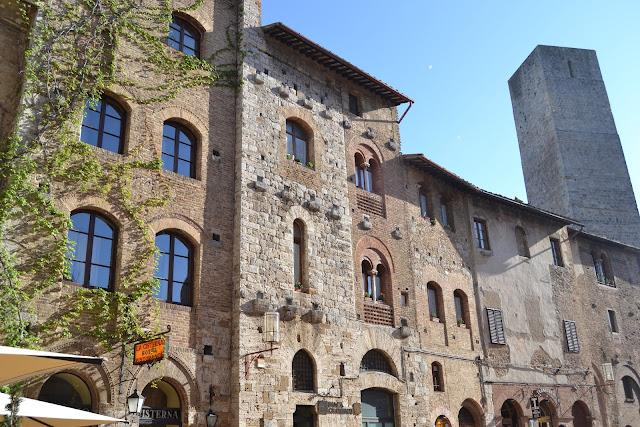 di redazione – Di usura, come fenomeno legato a particolari situazioni economiche, pubbliche e private, si parla da tempo immemorabile e in particolare, per quel che riguarda San Gimignano, sappiamo che gran parte delle famiglie importanti acquistò potere e rilevanza con la pratica dell’usura.
Dai Braccieri ai Baroncetti, dagli Useppi ai Moronti, dai Mangeri ai Mantellini, ai Ruggerotti, dagli Ardinghelli ai Paltoni, e dai Pellari ai Becci e ai Salvucci (tanto per citarne alcuni), tutti prestavano ai privati, al Comune, al Vescovo, alla Chiesa con un convenzionale interesse dal 20 al 30%, fin dai primi anni del Duecento.
Ma fu attività che, per quanto praticata su larga scala, si limitò al secolo XIII e ai primi decenni del Trecento, almeno per quanto concerne i mercanti arricchitisi con i traffici in Europa e oltremare.
Questi, al ritorno in patria, si proponevano come prestatori di denaro a interesse e, per i crediti non riscossi, finivano per entrare in possesso dei beni dei loro debitori che andavano ad accrescere le loro proprietà – case e terre – gi acquistate con i proventi della mercatura.
Soltanto dopo la grande peste del 1348, che inferse un duro colpo alla situazione demografica ed economica, e dopo la successiva sottomissione a Firenze che restrinse l’orizzonte politico, i sangimignanesi – anche quelli un tempo ricchissimi – si trovarono costretti a ricorrere ai banchieri fiorentini e senesi per poter continuare qualche attività.
Ed anche quando fu obbligato a fare – per garantire la gestione pubblica – lo stesso Comune che già all’inizio del XVI secolo, aveva instaurato rapporti e trattative di prestito con i Tolomei e i Salimbeni banchieri senesi, e con i Frescobaldi di Firenze.
Contemporaneamente, mentre ricorrevano anche ai banchieri pisani, i governanti sangimignanesi invitavano i prestatori ebrei a venire ad abitare nella citt turrita.
Troviamo così che, nei primi decenni del’300, un gruppo di ebrei capeggiati da Diodato, abitava in contrada San Giovanni e vi esercitava il prestito su pegno e che altri nuclei di Giudei esercitavano la stessa professione nella città agli inizi del ‘400: ed erano quelli guidati da Eliuccio da Viterbo, Isacco da Pisa e Vitale da Roma.
Nel libro delle riforme dell’anno 1410, al tempo del Podestà Andrea Giugni, troviamo che altri ebrei chiedono di stare in San Gimignano ed esercitarvi la professione di “feneratore” cio di usuraio.
Si tratta stavolta di Vitale di Mattasia da Roma e dei suoi figli Dattario e Daniele e di un certo Tommaso non meglio identificato. Anche loro, con delibera consiliare, saranno accolti intanto per dieci anni, versando in cambio, per la licenza, 100 fiorini all’anno, purchè abitino in due contrade diverse.
Anch’essi come i precedenti, saranno esentati da tutti gli oneri, escluse le gabelle. Le trattative fra le varie Comunità e gli ebrei erano dettate dalla più completa autonomia decisionale: da una parte si chiedeva, dall’altra si concedeva secondo le necessità; e le condizioni derivavano dagli accordi contrattuali, ma non mancarono questioni con Firenze o con il Pontefice in merito alle tasse da pagare, alle gabelle e ai permessi di esercitare o addirittura ai privilegi acquisiti e, perchè tali, irrinunciabili.
Tant’è che, ad esempio, il comune di San Gimignano viene sottoposto a scomunica per aver condotto, senza licenza della sede Apostolica un Fibreo ” a dare ad usura in detta terra”; scomunica che viene tolta sei anni più tardi dal papa Pio II Piccolomini, il 7 aprile 1464, come si legge nel libro delle riforme del Podestà Antonio Giraldi.
A partire dal XVI secolo, gli ebrei furono le vittime dei tempi e dei governi e la loro fioritura non fu che un ricordo. Del resto, l’ostilità manifestata dai più poveri nei loro confronti per gli alti tassi dei loro prestiti, apre la strada alla fondazione dei Monti di Pegno – detti poi Monti di Pietà – esistenti ancora, tra alti e bassi, fino ai nostri giorni e fiorenti sopratutto nell’Ottocento.
Anche San Gimignano si adeguò ai tempi e provò ad istituire il suo primo Monte nel 1501, per riconfermarlo in via definitiva solo nel 1572 con l’appoggio del Granduca Cosimo I dei Medici.
Non più un gruppo di famiglie quindi, nè un gruppo di ebrei, ma solo un ente pubblico poteva ora qualificarsi col titolo di prestatore.
by redaction – Money lending as a phenomenon stimulated by special economic problems, whether public or private, has been a controversial subject from time immemorable and quite often, and certainly in the case of San Gimignano, many of the most important families gained much of their power and success from usury: among them we should remember the Braccieri, the Baroncetti, the Useppi, the Moronti, the Mangeri, the Mantellini, the Ruggerotti, the Ardinghelli, the Paltoni, the Pellari, the Becci and the Salvucci hgh hormone releasers families (to mention only a few), all of whom, from the early 13th century onwards, lent money to private citizens, the Town Council, the Bishop and the Church with a stipulated interest rate that ranged from between 20 to 30%.
However, although it was practiced on a large scale, this activity was limited to the 13th century and the early decades of the 14th century, at least as far as the merchants were concerned who had made their fortunes by trading with various countries in Europe and overseas.
When these merchants came back home, they offered to lend people money on interest; when they were not paid back, they were entitled to seize their debtors’ possessions and thus gradually added to the estates – houses and land – that they had purchased earlier with the riches made from their trading activities.
However, after the great plague in 1348, which was a heavy blow to the demographic and economic situation, closely followed by San Gimignano’s submission to Florence (which seriously narrowed down the political horizons), the townspeople – even those who had once been extremely rich – found themselves forced to beg for help from the Florentine and Sienese bankers to be able to continue any sort of business concern.
Even the Town Council was forced at times to beg for loans in order to be able to guarantee its public administration and, by the beginning of the 16th century, had negotiated and made arrangements for loans with the Sienese banks belonging to the Tolomei and Salimbeni families, and with the Frescobaldi family in Florence. However while they were negotiating loans with Pisan bankers, the governors of San Gimignano were also inviting Jewish money lenders to take up residence in the city of towers.
In the early decades of the 14th century a group of Jews, headed by Diodato, apparently lived in the quarter of San Giovanni and lent money “on pledge” while other groups of Jews carried out the same profession in this city from the beginning of the 15th century under the leadership of Eliuccio from Viterbo, Isacco from Pisa and Vitale from Rome.
The 1410 book of reforms written during the rule of Podest Andrea Giugni, tells us about three Jews requesting permission to live in San Gimignano in order to carry out the profession of “money lenders”, in other words, as usurers.
These particular Jews were Vitale di Mattasia from Rome and his sons Dattario and Daniele together with a certain Tommaso, who is not better identified.
Following a ruling by the council, they were given permission to reside in the city for ten years, in exchange they had to pay 100 florins a year for their licence and live in two different quarters of the city.
Like the Jews that preceded them, these were the only duties they had to pay, apart from the usual taxes. The negotiations between the varies Communities and the Jews were dictated by the most complete decisional freedom: sometimes requests were made, other times concessions were granted, according to the various needs, while the conditions were stipulated in written contracts, though this often caused problems with Florence or the Pope as regards the taxes they ought to pay, their tithes and work permits and even the privileges they had acquired which, once gained, they were not prepared to give up.
A typical example of this was when the town of San Gimignano was excommunicated for having allowed a Jew ” to work in usury in that area” without a permit from the Apostolic see; according to the book of reforms published under Podest Antonio Giraldi, this excommunication was lifted six years later, on April 7th 1464, by Pope Pius II Piccolomini.
Victims of the period and the various governments, the Jews lost all their privileges from the 16th century onwards with the result that their flourishing activity was lost in the mists of time.
In actual fact, the hostile attitude of the poorer people against the Jews because of the high interest rates on their loans eventually led to the foundation of the Monti di Pegno (pawnshops) – later called Monti di Pietà – which flourished in particular in the 19th century and have survived, with varying popularity, to this day.
San Gimignano also moved with the times and set up its first pawnshop in 1501, confirming its presence in 1572 with the support of Grand Duke Cosimo I dei Medici. From then on, therefore, only a public organization was allowed to act as a money lender to the public, replacing a service that was formerly carried out either by a group of families or a group of Jews.
Feb 10, 2013 | Arezzo, Argentario, Casentino, Chianti Classico, Città del Tufo | Colline Metallifere, Crete Senesi, Eventi, Firenze, Garfagnana, Grosseto, Litorale pisano, Livorno, Lucca, Lunigiana, Maremma, Massa Carrara, Montagna Pistoiese, Montalbano, Monte Amiata, Monti Pisani, Mugello | Val di Sieve, Pisa, Pistoia, Prato, San Gimignano, Siena, Val Bisenzio, Val d'Elsa | Empolese, Val d'Elsa | Val di Merse, Val d'Orcia | Val di Chiana, Val di Cecina, Val di Cornia, Val Tiberina, Valdarno, Valdarno | Valdera | Colline Pisane, Valdinievole, Valle del Serchio | Piana Lucchese, Versilia
 di Massimo Pieraccini – Previsioni meteo
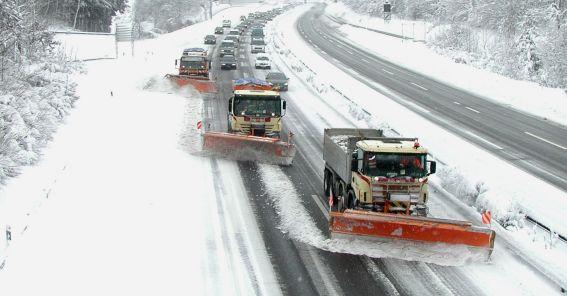
Le precipitazioni nevose e le ghiacciate sono eventi atmosferici non sempre prevedibili con esattezza, ma oggi grazie ai moderni strumenti di previsione sono identificabili con più precisione per cui si consiglia tutti d’informarsi sempre sulle previsioni meteo locali e di seguire le possibili allerte comunicate della Protezione Civile la cui sala operativa è sempre attiva 24 ore su 24 (tel. 800 840 840).
Tutte le eventuali allerte le potrete trovare sempre aggiornate anche in rete sulla nostra pagina Facebook “Nucleo Operativo Protezione Civile”.
Cosa fare per la propria auto
All’approssimarsi dei mesi invernali è buona norma effettuare i seguenti controlli tecnici alla propria auto:
verificare che i tergicristalli siano perfettamente a filo con la superficie da liberare dall’acqua;
controllare la batteria che con il freddo corre il rischio di scaricarsi;
mettere l’antigelo nel radiatore e nel liquido per pulire i parabrezza;
se si intende viaggiare frequentemente su strade innevate è opportuno sostituire i pneumatici tradizionali con quelli specifici per la neve che hanno mescole più adatte al freddo e disegni capaci di assicurare una migliore aderenza.
Le catene da neve devono comunque essere sempre pronte all’uso, perché in presenza di neve abbondante i pneumatici invernali potrebbero non essere sufficienti. Inoltre l’inosservanza di questo consiglio potrebbe costare una multa: attenzione, i controlli sono già iniziati con le prime sanzioni elevate. Le catene devono essere utilizzate solo sulle strade coperte di neve per non correre il rischio di danneggiarle, compromettere la sicurezza di guida e non rischiare guasti agli organi di assetto.
Cosa fare per la viabilità
In auto oltre ad essere obbligatorio l’uso di pneumatici da neve o catene è consigliato tenere sempre a portata di mano un paio di guanti da lavoro e il montaggio delle catene deve essere sempre provato prima del verificarsi della situazione d’emergenza.
Durante l’evento nevoso non aspettare mai a montare le catene da neve quando si è già in condizioni di difficoltà specie se si devono affrontare percorsi con presenza di salite e discese anche di modesta pendenza.
Evitare di proseguire nel viaggio se non si ha un minimo di pratica di guida sulla neve e se ci si sente in difficoltà o non si ha il corretto equipaggiamento. Parcheggiare la propria auto in sicurezza sul lato della strada e a piedi trovare un rifugio idoneo.
Non abbandonare l’auto in condizioni che possono costituire impedimento alla normale circolazione degli altri veicoli ed in particolare dei mezzi operativi e di soccorso.
Aiutare le persone in difficoltà e non esitare a richiedere aiuto in caso di necessità, o meglio in caso di dubbio se non siete perfettamente sicuri su come fare per montare le catene, per posteggiare l’auto anche all’interno di proprietà private, per avere consigli ed indicazioni, etc.
Preferire sempre, per quanto possibile, l’utilizzo dei mezzi pubblici e non utilizzare mai i veicoli a due ruote.
Indossare abiti e soprattutto calzature idonee all’eventualità di sostenere spostamenti a piedi.
Cosa fare se vi trovate bloccati in auto in mezzo a un ingorgo
Se vi trovate bloccati nel mezzo di un ingorgo stradale siccome non sapete quanto potrà durare fate attenzione a quanto carburante avete in macchina e se il serbatoio è meno di un quarto non tenete costantemente il motore acceso, ma alternate accensione e spegnimento in ragione di 10 minuti di accensione e 30 di spegnimento per mantenere il motore e l’abitacolo in temperatura.
In questi casi l’autoradio è una risorsa preziosa, stiamo cercando di attivare un network di radio locali che in caso di emergenza siano disponibili a dare informazioni sulle condizioni della viabilità e consigli su eventuali percorsi alternativi.
Non attaccatevi al cellulare chiamando tutti per informarli della vostra disavventura o chiedere aiuto perchè non sapete quanto dovrete stare nella situazione in cui vi trovate e spesso i numeri di emergenza sono intasati; risparmiate la batteria del vostro cellulare, può essere determinante. Individuate una persona a casa o in ufficio che faccia per voi da tramite chiamando la polizia stradale, la Protezione Civile e il Comune per avere informazioni e fare eventuali richieste di aiuto. Usando il cellulare solo per parlare col vostro tramite allungherete la durata delle vostre batterie e la possibilità di restare in contatto.
Qualora dobbiate fare delle richieste di aiuto urgenti siate pronti a fornire i seguenti dati: strada in cui vi trovate (esempio: Autostrada A1 oppure SGC oppuree FIPILI) nel caso non conosciate il nome della strada almeno cercate di sapere indicare i nomi delle uscite più prossime e la direzione che state percorrendo (esempio: da Firenze nord verso sud, oppure Superstrada tra Empoli e Montopoli in direzione Pisa).
Cosa fare a casa
Si consiglia a tutti di fornirsi di un’adeguata e idonea scorta di sale da utilizzare per la viabilità privata (anche pedonale) e per gli eventuali marciapiedi esterni; di dotare ogni stabile (organizzandosi fra condomini) di un’attrezzatura minima come badili e pale da neve.
E’ necessario che infatti in caso di ghiacciate e nevicate per tutelare l’incolumità pubblica tutta la cittadinanza s’impegni a rimuovere neve e ghiaccio davanti alle proprie abitazioni e esercizi commerciali, pulire la cunetta stradale, liberare caditoie e tombini per agevolare il deflusso delle acque, spargere un adeguato quantitativo di sale se è previsto gelo, aprire varchi in corrispondenza degli attraversamenti pedonali ed incroci stradali, abbattere eventuali lame di neve e ghiaccio pendenti da tetti cornicioni e grondai e rimuovere le autovetture parcheggiate a bordo strada per permettere di liberare le carreggiate.
Tutto questo non è solo dovere civico di ogni cittadino, ma un preciso obbligo del regolamento di polizia municipale che non tutti conoscono!
In caso sia necessario muoversi a piedi prestando attenzione che dai tetti o dai cornicioni non ci sia pericolo di caduta di cumuli di neve, specie nei giorni successivi alla nevicata durante il disgelo sono frequenti le cadute di cumuli dai tetti.
Come utilizzare correttamente il sale
Il sale può essere usato solo per intervenire su formazioni di ghiaccio di limitato spessore.
E’ consigliabile quindi, intervenire preventivamente con salature laddove ci siano preavvisi di formazione di ghiaccio tenendo presente che il sale non produce nessun effetto in presenza di eccessivi spessori e/o in presenza di temperature troppo rigide (inferiori a -10°).
In caso di forti nevicate in atto togliere, prima di spargere il sale, quasi completamente la neve.
Il quantitativo di sale da spargere deve essere proporzionale allo spessore da sciogliere: esempio con un chilogrammo di sale si possono trattare 20 metri quadrati di superficie. Quantità superiori potrebbero danneggiare le pavimentazioni.
E’ doveroso ricordare che è sempre megllio utilizzare il sale specifico per disgelo e solo in caso di stretta necessità si può utilizzare il sale grosso da cucina.
Non usare mai acqua per eliminare cumuli di neve e ghiaccio soprattutto se su di essi è stato precedentemente sparso il sale.
Come proteggere la propria rete idrica
E’ bene all’approssimarsi della stagione più fredda prendere le giuste informazioni dal gestore del servizio idrico sulle misure da adottare per la protezione della rete idrica da possibili ghiacciate. Comunque sia è sempre opportuno proteggere il contatore da possibili ghiacciate, utilizzando materiali isolanti e in casa quando le temperature scendono sotto i -5° tenete costantemente aperto un flusso di acqua da almeno uno dei rubinetti.
by Massimo Pieraccini –Forecast
Snowfall and icy weather events tramadol toothache are not always predictable with accuracy, but today thanks to modern forecasting tools can be identified more precisely why you should always be fully aware of all local weather and follow the possible alerts sent Protection Civil whose operations room is always open 24 hours 24 (tel. 800 840 840).
All possible alerts you can always find the latest in a network on our Facebook page “Operational Unit Civil Protection”.
What to do for your car
As we approach the winter months it is advisable to carry out the following engineering controls to your car:
verify that the wipers are perfectly flush with the surface to be free from water;
check that the battery with the cold runs the risk of discharge;
put the antifreeze in the radiator and liquid to clean the windshield;
if you plan to travel frequently on snow tires should be replaced with conventional ones specific to the snow that compounds more suitable for cold and designs that ensure a better grip.
Snow chains must always be ready for use, because in the presence of abundant snow winter tires may not be enough. In addition, failure to comply with this advice could cost you a fine: attention, controls have already begun with the first high penalties. The chains must only be used on snow-covered roads to avoid the risk of damage, impair driving safety and to avoid damage to the organs of attitude.
What to do for the road
Drive as well as being mandatory to use snow tires or chains is recommended to always keep on hand a pair of work gloves and the use of snow chains should always be tried before the occurrence of the emergency situation.
During the event snowy never wait to mount snow chains when you are already in difficulty especially if you have to face the presence of paths with ascents and descents too small slope.
Do not go on the trip if you have a bit of practice driving on snow and if you feel stuck or do not have the proper equipment. Park your car safely on the side of the road and walk to find a suitable shelter.
Do not leave your car in the conditions that may obstruct the normal flow of other vehicles and in particular of operational resources and emergency.
Helping people in need and do not hesitate to ask for help when needed, or rather if in doubt if you are not completely sure on how to mount the chains to park your car even within private property, for advice and information, etc..
Always preferable, where possible, the use of public transport and never use the two-wheeled vehicles.
Wear appropriate footwear and especially the possibility to support walking.
What to do if you find yourself stuck in the car in the middle of a traffic jam
If you find yourself stuck in the middle of a traffic jam because you do not know for how long, be careful how much fuel you have in the car and if the tank is less than a quarter do not constantly keep the engine running, but alternate on and off at a rate of 10 minutes Ignition and 30 off to keep the engine and the passenger compartment in temperature.
In these cases, the radio is a valuable resource, we are trying to activate a network of local radio in case of emergency are available to give information on traffic conditions and advice on possible alternative routes.
Do not get attached to the phone calling everyone to let them know of your misfortune or ask for help because you do not know what you need to be in a situation where you are and often emergency numbers are clogged, save the battery of your phone, can be decisive. Identify a person at home or in the office to do for you by calling from the traffic police, Civil Defence and the Municipality for information and make any requests for help. Using the phone just to talk through with your lengthen the life of your batteries and the ability to stay in touch.
If you need to make urgent requests for help, be prepared to provide the following information: the street where you are (eg: A1 or SGC FIPILI or and) if you do not know the name of the road at least try to know the names of the outputs indicate closer and the direction you are traveling (eg from Florence north to south, or highway between Empoli and Pisa Montopoli in direction).
What to do at home
We recommend all to be equipped with an adequate and appropriate supply of salt to be used for private roads (including pedestrian) for any sidewalks external to equip each building (organizing among condominiums) minimum of equipment such as shovels and wheel Snow.
And ‘in fact necessary in the event of ice and snow to protect public safety all citizens to undertake to remove snow and ice in front of their homes and businesses, clean the gutter road, clear drains and manholes to facilitate the flow of water, spread an appropriate amount of salt if frost is expected, open gates at pedestrian crossings and intersections, break down any blades in snow and ice hanging from roof eaves and grondai and remove cars parked at the roadside to allow the free roadways.
This is not only a civic duty of every citizen, but a precise obligation of the Rules of the municipal police that not everyone knows!
If you need to walk around making sure that the roof or the eaves there is no danger of falling snow drifts, especially in the days after the snowfall during the thaw are frequent drops in heaps from the rooftops.
How to properly use the salt
The salt can be used to act only on ice formations of limited thickness.
E ‘therefore advisable to take preventive action by salting where there are notices of ice formation bearing in mind that the salt does not produce any effect in the presence of excessive thickness and / or in the presence of too rigid temperatures (below -10 °).
In the event of heavy snowfall in place to remove, before shedding the salt, almost completely snow.
The amount of salt to be spread must be proportional to the thickness to be solved: an example with one kilogram of salt can treat 20 square meters. Larger quantities can damage the flooring.
It ‘important to remember that it is always megllio use salt specifically designed to thaw and only when strictly necessary, you can use the coarse salt.
Never use water to remove accumulated snow and ice on them especially if it was previously scattered salt.
How to protect your water supply
And ‘well the approach of the cold season to make the right information from the manager of water services on measures to be taken to protect the water supply from possible ice. However it is always advisable to protect the meter from being frozen, using insulating materials and in house when temperatures fall below -5 ° keep constantly open to a flow of water for at least one of the taps.
Dic 17, 2012 | Arezzo, Arte e cultura, Eventi, Firenze, Grosseto, Lucca, Massa Carrara, Pisa, Pistoia, Siena
 di redazione – Tradizionali, meccanici, viventi, ma comunque particolari. Ecco per voi una selezione di presepi in ogni angolo della Toscana che vale la pena scoprire.
Provincia Firenze
Firenze
Per il secondo anno, sul sagrato della cattedrale di Firenze viene realizzato un bellissimo e stupefacente presepe con statue in terracotta, a grandezza naturale, raffiguranti la Sacra Famiglia.
Il presepe è collocato sul lato opposto al campanile di Giotto, vicino al grande Albero di Natale della città di Firenze, dove rimarrà fino all’Epifania, quando, in occasione della “Cavalcata dei Magi”, le figure in terracotta della Sacra Famiglia saranno sostituite da persone e animali viventi.
Le statue sono pezzi unici realizzati a mano, a tutto tondo, dall’artigiano Luigi Mariani della storica fornace imprunetana di Angiolo Mariani e figli, la M.i.t.a.l., che ha voluto donarle all’Opera di Santa Maria del Fiore. Questo tipo di sculture si inseriscono nell’antica tradizione fiorentina della lavorazione della terracotta che, in ambito artistico, è nata a Firenze agli inizi del Quattrocento col recupero di questa antica tecnica da parte di Donatello e Brunelleschi.
San Giovanni Valdarno
Alla Basilica SS Maria delle Grazie di San Giovanni Valdarno, c’è “Natale nel Mondo”: una mostra permanente di presepi.
Quest’anno la mostra è arrivata alla sua 9° edizione ed è dedicata alla “4° Biennale d’Arte Presepiale” con omaggio a Benozzo Gozzoli e alla sua “Cavalcata dei Magi” con la presenza di numerosi artisti. Fino a 6 gennaio 2013
Palazzuolo sul Senio
Una mostra da non perdere: tra uno stand e l’altro si possono ammirare, fino all’ Epifana, i presepi della mostra “1000 presepi a Palazzuolo” un‘apposita mappa conduce il turista negli angoli più belli e caratteristici del paese, adornati da presepi.
Provincia di Arezzo
Cortona
Da non perdere il Presepe vivente a Pietraia, 9 km da Cortona.
Un evento apprezzato e seguito da un pubblico sempre più numeroso che viene allestito all’aperto nel boschetto dietro alla Chiesa di San Leopoldo ed è visitabile solo durante i giorni festivi durante il periodo delle vacanze natalizie, dal 24 dicembre al 6 gennaio.
In passato ha accolto anche la partecipazione di figuranti di religione musulmana ed ebrea, donandogli una componente multietnica e diffondendo un spirito del Natale cristiano che va oltre le barriere religiose e culturali.
Provincia di Grosseto
Gavorrano
Farà bella mostra di sé per tutte le festività natalizie (da Natale all’Epifania) il Presepe Monumentale che, ormai da oltre sessant’anni viene organizzato nella Chiesa di S.Antonio nel centro storico di Caldana, frazione del Comune di Gavorrano.
Il presepe ogni anno ha un tema specifico, stabilito dal Parroco che ne fa variare le scenografie. Sono venticinque statue in legno di grandi dimensioni (raggiungono i novanta centimetri di altezza), realizzate in maniera pregevole da maestri intagliatori del legno di Ortisei, sulle Dolomiti, nel lontano 1939.
Provincia di Lucca
Antro del Corchia
Anche quest’anno, per tutto il periodo delle festività natalizie nella famosa cavità carsica dell’Alta Versilia è “…e vieni in una grotta…! Un appuntamento con la magia e la tradizione del Presepe riproposte in uno scenario unico.
La particolarità di questa edizione è il 1° Concorso “Presepi in Grotta” dedicato alle Scuole, che esporranno le loro opere lungo l’intero percorso turistico dell’Antro, che si snoda per circa due chilometri di gallerie naturali e condotti carsici.
Visitabile a dicembre nei giorni 22, 26, 27, 28, 29, 30, 31 (alle ore 11.00 e 15.00); nei giorni 23 ore (10.00, 12.00, 14.00 e 16.00); nel giorno 24 (alle ore 11.00 e 13.00). A gennaio nei giorni 2, 3, 4, 5 (alle ore 11.00 e 15.00); nel giorno 6 (gli orari saranno 10.00, 12.00, 14.00 e 16.00).
Si ricorda che i posti sono limitati e che è quindi consigliata la prenotazione telefonica al numero 0584-778405 attivo tutti i giorni dalle 9.30 alle 13.00. Maggiori info su www.antrocorchia.it.
Stazzema
Torna la magia del Presepe Animato Versiliese, a Querceta.
Quest’anno, l’appuntamento vedrà una doppia versione anche notturna.
Il 6 gennaio arrivo dei Re Magi a cavallo (ore 15,45), con protagonisti come figuranti i portatori di handicap che fanno parte dell’associazione e ancora il 5 gennaio (dalle 21 alle 24), per la prima volta, il Presepe in Notturna.
Pescaglia
Fino al 13 gennaio 2013, l’antico borgo di Pescaglia s’illumina delle luci del presepe con il tipico e unico allestimento di scene di presepe, all’interno delle marginette, edificate tra il XVI e il XVII secolo, lungo il percorso, che dalla chiesa parrocchiale conduce al Santuario della Madonna delle Solca.
Villa Collemandina
In località Sassorosso da non perdere i presepi nelle vie del borgo fino all’Epifania.
Piccoli presepi allestiti fra le antiche vie del borgo dagli abitanti
Coreglia Antelminelli
Fino al 6 gennaio “Coreglia terra di Presepi”.
Tanti presepi allestiti nelle vie e nelle piazze con apertura straordinaria del Museo della figurina di gesso e dell’emigrazione
Equi Terme
Giunto alla XXV edizione, il presepe vivente di Equi Terme si svolge nello scenario del solco di Equi, accanto all’entrata delle grotte e per le vie del borgo. Dalle strette vie del paese, nei fondi trasformati in botteghe artigianali il percorso si sviluppa verso il Solco e il torrente Fagli creando con il rumore dell’acqua un’atmosfera molto suggestiva che porta verso la grotta della Natività, posta all’ingresso delle grotte. Il percorso dura 30-40 minuti.
Durante la visita è possibile degustare nelle antiche taverne castagne, vin brulé e prodotti tipici lunigianesi. Ingresso: 5 €. Bambini 0/7 anni: gratis
Informazioni: 320 8479058 , 320 4550461
Orari: 22 dicembre: 20.30 – 23.30; 23 dicembre: 18.00 – 21.00; 25 dicembre: 18.00 – 21.00; 26 dicembre: 18.00 – 21.00
Pallerone
Lungo la strada per Fivizzano, ancora nel comune di Aulla, si trova Pallerone, storico borgo lunigianese e il suo presepe, uno dei più noti non solo di Toscana.
Nella cucina dell’antico palazzo marchionale, accessibile dal portico della chiesa di San Tommaso Beckett si trova il presepe meccanico realizzato per la prima volta durante il Natale del 1935 con materiali di recupero come ruote di bicicletta, corde e un motore ricavato da un ventilatore.
Il presepe crebbe nei decenni grazie alla passione dei palleronesi, che lo ricostruirono e ammodernarono. A partire dagli anni Cinquanta vennero aggiunte nuove scene movimentate, ma il presepe come lo vediamo oggi cominciò a prendere forma nel 1968, grazie all’impegno del Geom. Silvio Baldassini e di tutta la popolazione. Nel 1999 venne intrapresa l’ultima ricostruzione che ci permette oggi di ammirare un’opera unica nel suo genere, che in sette minuti ci mostra il passaggio del giorno alle notte.
Nella sala d’attesa poi è allestito un piccolissimo, ma suggestivo museo di manufatti dei primi presepi dal 1935 in poi, insieme all’antico motore del 1937, la storia fotografica dei presepi e il motore del primo orologio del campanile risalente alla fine dell’ottocento.
Informazioni: 333 1629101. Apertura: tutto l’anno: 8.00 – 12.00; 13.30 – 18.30. Entrata ad offerta.
Villafranca in Lunigiana
Fino al 6 gennaio 2013, tra il torrente Bagnone e il fiume Magra, accanto al Museo Etnografico da non perdere. Le figure della natività costruite artigianalmente sono poste all’interno di scenari che ricordano la vita di un tempo e sono collocate lungo ii fiumi tra i due ponti. Se ne gode una suggestiva visione passeggiando a piedi per entrare in paese.
Provincia di Pisa
San Miniato
Fino al 13 gennaio nei locali della Pieve di San Giovanni Battista di Cigoli è l’oramai noto “Presepe artistico di Cigoli” giunto alla sua dodicesima edizione e in cui si entra dentro…
E’ uno dei più grandi presepi artistici della Toscana che ha visto passare nell’edizione 2011 oltre ventimila visitatori provenienti anche dall’estero.
Chi visiterà il presepe farà il suo ingresso nel presepe seguendo un percorso che iniziando dall’esterno si addentrerà nel paesaggio tipico palestinese passando dalla rigogliosità di Nazareth, alla maestosità e imponenza di Gerusalemme, e infine dalla semplicità e armonia di Betlemme, con la sua accogliente Grotta.
Esaltati e curati nei minimi dettagli sono i personaggi intenti nelle varie attività e grazie ai sofisticati sistemi tecnologici non mancheranno suggestivi giochi di luce, musiche e giochi d’acqua.
Il presepe è aperto fino alla domenica dopo l’Epifania con orario 9,00 – 13,00. 14:30 – 20,00 tutti i giorni compresi i festivi.
Vicopisano
Un’appuntamento da non perdere è quello con i “Presepi dell’Angelo”. Si tratta di una mostra di Angelo Perini dove si possono ammirare quaranta presepi intagliati a mano in ciocchi d’Olivo.
L’esposizione, unica nel genere, è visitabile presso gli ex locali delle scuole elementari ad ingresso fino al 6 gennaio 2013.
Provincia di Pistoia
Cutigliano
Fino al 6 gennaio 2013 alle Piastre, il “Paese dei Cento Presepi”. Saranno oltre 100 infatti i presepi che trasformano ogni anno questo piccolo paese di montagna in un luogo magico.
San Marcello Pistoiese
Nella frazione di Lizzano si può visitare fino all’Epifania il Presepe nel Parco: un presepe con personaggi a grandezza naturale.
Provincia di Siena
Casole d’Elsa
Appuntamento il 26, 29, 30 dicembre e 6 gennaio (dalle 15 allee 19) con la rappresentazione del Presepe Vivente tradizionale appuntamento con rappresentazione ambientata in larga parte nel centro storico del paese.
Quest’anno è stato progettato un nuovo “scenario” con oltre 250 comparse e lungo il percorso sarà aperta un’osteria e delle botteghe artigiane dove si eserciteranno i mestieri tipici come la filatura, la colorazione della lana, la cottura del pane e altro ancora. Il percorso, animato dai soldati romani, dai pastori con i propri animali, dagli artigiani e da altri personaggi, si conclude alla Capanna della Natività.
La manifestazione ha partecipato al Premio Presepistico Internazionale “Praesepium Populi” e al Premio Presepistico Nazionale “Praesepium Italiae”, ottenendo la “Massima Onorificenza Presepistica” e la proclamazione ufficiale Casole d’Elsa “Città del Presepe d’Italia”.
Biglietto: 5,00 euro solo Presepe Vivente; 6.00 euro Presepe Vivente e Museo civico archeologico e della collegiata.
Info: museo@casole.it; 0577 948705 (aperto dalle ore 10.00 alle 13.30 e dalle 15.00 alle 17.30 nei giorni sabato, domenica e festivi).
Sinalunga
A Bettolle fino al 6 gennaio 2013 le cinque contrade tornano come ogni anno a mettere in scena la Natività in cinque punti scenografici del borgo.
Le contrade Casato, Caselle, Ceppa, Montemaggiore e il Poggio scelgono ogni anno un tema tra di loro per dare diverso risalto alla scena e all’ambientazione della natività. Info: 0577622026 – www.bettolle.itby redaction – Traditional, mechanical, innocative, but still special. Here is just a small selection of Reverse Phone Lookup cribs in every corner of Tuscany that is worth discovering.
Province Florence
Firenze
For the second year, in front of the cathedral of Florence is a beautiful and amazing crib made with terracotta statues, life-size, depicting the Holy Family.
The crib is located on the opposite side of the Giotto’s bell tower, near the big Christmas tree in the city of Florence, where he remained until the Epiphany, when, on the occasion of the “Procession of the Magi”, the terracotta figures of the Holy Family will be replaced by people and animals living.
The statues are unique pieces made by hand, in the round, the workman Luigi Mariani of the historic furnace Imprunetana of Angiolo and children, Mital, who wanted to give her the Opera di Santa Maria del Fiore. This type of sculptures fit in the old Florentine tradition of pottery that, in art, was born in Florence in the early fifteenth century with the restoration of this ancient technique by Donatello and Brunelleschi.
San Giovanni Valdarno
The Basilica SS Maria delle Grazie in San Giovanni Valdarno, there is “Christmas in the World”: a permanent exhibition of nativity scenes.
This year the show is now in its 9th edition and is dedicated to “4th Biennial Art Nativity” with a tribute to Benozzo Gozzoli and his “Journey of the Magi” with the presence of many artists. Up to 6 January 2013
Palazzuolo sul Senio
An exhibition not to be missed in between stands and the other can be seen, until ‘Epifana, the cribs of the exhibition “1000 cribs for Palazzuolo.” A special map takes tourists in the most beautiful and characteristic of the country, adorned with cribs.
Province of Arezzo
Cortona
Do not miss the Living Nativity in Pietraia, 9 km from Cortona.
An event appreciated and followed by more and more people that is served outdoors in the woods behind the church of San Leopoldo and is open only on holidays during the holiday season, from December 24 to January 6.
In the past he has also taken on the participation of extras Muslim and a Jew, giving him a multi-ethnic component and spreading a Christian spirit of Christmas that goes beyond religious and cultural barriers.
Province of Grosseto
Gavorrano
It will make a fine show for the holiday season (from Christmas to Epiphany) that the Monumental Crib, for over sixty years is held in the Church of St. Anthony in the center of Caldana fraction of Gavorrano.
The crib each year has a specific theme, established by the pastor that causes a change in the scenery. Are twenty-five wooden statues large (reaching ninety inches tall), made of a fine by master wood carvers of Ortisei, Dolomites, in 1939.
Province of Lucca
Antro del Corchia
Also this year, for the duration of the holiday season in the famous karst cave Alta Versilia is “… and come in a cave …! An appointment with the magic and tradition of the Nativity reintroduced in a unique setting.
The special feature of this edition is the 1st Competition “Nativity Grotto” dedicated to the schools, which will exhibit their works throughout the dell’Antro tourist trail, which winds for about two kilometers of karst tunnels and ducts.
Visited in December on 22, 26, 27, 28, 29, 30, 31 (11.00 and 15.00) on 23 hours (10:00, 12:00, 14:00 and 16:00) in 24th (11.00 and 13.00) . In January, on days 2, 3, 4, 5 (11.00 and 15.00), and in six days (times are 10.00, 12.00, 14.00 and 16.00).
Please note that places are limited and it is therefore advisable to book by telephone on 0584-778405 open daily from 9.30 to 13.00. More on www.antrocorchia.it.
Stazzema
Back to the magic of the Nativity Animated Versilia, in Querceta.
This year, the event will see two versions even at night.
On 6 January arrival of the Magi on horseback (15,45), starring as listed with disabilities that are part of and yet Jan. 5 (from 21 to 24), for the first time, the crib night.
Pescaglia
Until 13 January 2013, the old village of Pescaglia lights the lights of the crib with the typical and unique exhibition of nativity scenes, within marginette, built between the XVI and XVII centuries, along the way, that from the parish church to the Sanctuary of Our Lady of Solca.
Villa Collemandina
In places Sassorosso do not miss the nativity scenes in the streets of borgofino Epiphany.
Small nativity set up between the narrow streets of the village by the inhabitants
Coreglia Antelminelli
Until January 6 “Coreglia land Cribs”.
Many cribs set up in the streets and squares with special opening of the Museum of Plaster Figurine and Emigration
Equi Terme
Now in its twenty-fifth year, the nativity scene of Equi Terme takes place against the backdrop of the wake of Equi, near the entrance of the caves and in the streets of the village. From the narrow streets of the town, in the funds converted into workshops path grows toward the furrow and the stream Let them create the sound of a very suggestive atmosphere that leads to the Grotto of the Nativity, at the entrance of the caves. The journey takes 30-40 minutes.
During your visit you can enjoy the ancient taverns chestnuts, mulled wine and typical products Lunigiana. Admission: € 5. Children 0/7 years: free
Info: 320 8479058, 320 4550461
Hours: 22 December: 20:30 to 23:30, 23 December: 18:00 to 21:00, 25 December: 18:00 to 21:00, 26 December: 18:00 to 21:00
Pallerone
Along the road to Fivizzano, still in the town of Batesville, is Pallerone, a historic town in Lunigiana and his crib, one of the most well-known not only in Tuscany.
In the kitchen of the old palace marquis, accessible from the porch of the church of St. Thomas Beckett is the mechanical nativity scene made for the first time during the Christmas of 1935 with recycled materials such as bicycle wheels, ropes and an engine made by a fan.
The crib grew over the decades thanks to the passion of palleronesi, who rebuilt it and ammodernarono. Since the fifties were added new bustling scenes, but the crib as we see it today began to take shape in 1968, thanks to the efforts of Geom. Silvio Baldassini and the entire population. In 1999, the last reconstruction was undertaken that allows us to experience a unique, in that seven minutes shows the passage of the day at night.
In the waiting room then set up a small but interesting museum of artifacts of the first Nativity scenes from 1935 onwards, together with the ancient engine of 1937, the photo story of the nativity and the engine of the first clock tower dating from the end of ‘ nineteenth century.
Info: 333 1629101. Open: All year: 8:00 to 12:00, 13:30 to 18:30. Login to offer.
Villafranca in Lunigiana
Until January 6, 2013, between the river and the river Magra Bagnone, next to the Museum of Ethnography not to be missed. The figures of the Nativity built by hand are placed in scenarios that describe the life of the past and are located along rivers ii between the two bridges. If you enjoy a breathtaking view by walking into the village.
Province of Pisa
San Miniato
Until January 13 at the premises of the Parish of St. John the Baptist Cigoli is the now famous “Christmas crib Cigoli” now in its twelfth edition and you enter into …
And ‘one of the greatest artistic nativity scenes of Tuscany that has seen the 2011 over twenty thousand visitors from abroad.
Visitors to the crib will make its entry into the crib following a path starting from the outside addentrerà the typical landscape passing by Palestinian luxuriance of Nazareth, the majesty and grandeur of Jerusalem, and finally by the simplicity and harmony of Bethlehem, with its cozy cave.
Enhanced and attention to detail are the characters intent in the various activities and thanks to sophisticated technology will not miss a play of light, music and water games.
The crib is open until Sunday after the Epiphany with time from 9.00 to 13.00. 14:30 – 20.00 every day including holidays.
Vicopisano
An appointment not to be missed is the one with the “Nativity Angel”. This is a show where you can see Angelo Perini forty cribs hand-carved logs of Olive.
The exhibition, unique in the genre, is seen at the former premises of primary schools admission until 6 January 2013.
Province of Pistoia
Cutigliano
Until January 6, 2013 at plates, the “Land of the Hundred Cribs”. There will be over 100, in fact the cribs that transform every year this small mountain town in a magical place.
San Marcello Pistoiese
The population of Lizzano you can visit the crib until Epiphany in the Park: a nativity scene with life-sized figures.
Province of Siena
Casole d’Elsa
Appointment on the 26th, 29th, December 30th and January 6th (from 15 allee 19) with the representation of the Nativity traditional appointment with representation set largely in the center of the country.
This year has been designed a new “scenario” with over 250 extras and along the way will open a tavern and craft workshops where you will put the traditional trades such as spinning, the color of the wool, baking bread, and more . The route, animated by the Roman soldiers, shepherds with their animals, artisans and other characters, ends at the hut of the Nativity.
The event took part in the International Prize Presepistico “Praesepium Populi” Award and the National Presepistico “Praesepium Italiae”, resulting in the “Highest Distinction crib” and the official proclamation Casole d’Elsa “City of the Nativity of Italy.”
Admission: € 5.00 only Nativity, Nativity and 6.00 euro Archaeological Museum and college.
Info: museo@casole.it; 0577 948705 (open from 10.00 to 13.30 and from 15.00 to 17.30 in the day Saturday, Sunday and holidays).
Sinalunga
A Bettolle until January 6, 2013 the five districts as they return each year to stage the Nativity in five points of the scenic village.
The districts Casato, Boxes, Ceppa, Montemaggiore and Poggio choose a theme each year with each other to give different emphasis to the scene and setting of the Nativity. Info: 0577622026 – www.bettolle.it
Dic 15, 2012 | Eventi, Firenze, Garfagnana, Lunigiana, Montagna Pistoiese, Monte Amiata
 di redazione – La stagione dello sci è partita alla grande in quasi tutte le località toscane in occasione dello scorso week end, che coincideva con la festività dell’Immacolata.
Il Sistema neve della nostra regione si propone come un complesso articolato di grandi comprensori e stazioni più piccole. Tutte belle, tutte sciabili e perchè no anche solo passeggiabili fra boschi intonsi e natura rigogliosa.
Sono 5 le grandi aree della “Toscana Bianca”: Abetone e Doganaccia di Cutigliano sull’Appennino pistoiese, Amiata sull’omonimo monte che separa la provincia di Siena da quella di Grosseto, Casone di Profecchia, Passo Radici e Careggine in Garfagnana e infine Zum Zeri in Lunigiana, quasi al confine con Liguria e Emilia Romagna.
Le piste al momento, sono coperte da neve naturale e da neve programmata. Ancora nel corso della mattinata di ieri venerdì nevicava in molte località, ma il rialzo delle temperature soprattutto di oggi (con neve solo sulle cime più alte) e il miglioramento atteso per domenica, fanno essere la situazione in costante evoluzione come si dice in questi casi.
Si consiglia quindi più che mai a tutti gli appassionati di sci, ai turisti bianchi e quanti vogliono scoprire le montagne d’inverno di seguire sempre con attenzione tutti gli aggiornamenti del sito www.toscananeve.it e i portali delle singole località.
Per quanto riguarda le singole località iniziamo col dire che all’Abetone gli impianti saranno tutti aperti nel fine settimana (info www.multipassabetone.it).
Sull’Amiata invece è prevista l’apertura degli skilift Jolly, delle seggiovie Cantore e Macinaie e della pista di fondo (www.amiataneve.it).
Si scia bene anche alla Doganaccia, dove sono aperti tutti gli impianti.
In Garfagnana per il fine settimana è invece prevista l’apertura totale a Careggine e al Casone di Profecchia. Al Passo Radici invece sono aperti tutti i tracciati di fondo collegati a Piandelagotti. Chiusa ancora invece la stazione di Zum Zeri in Lunigiana.
Per quanto riguarda infine le promozioni in vista delle imminenti festività ricordiamo che all’Abetone, fino al 25 dicembre, gli under 14 sciano con un solo euro al giorno in qualsiasi giorno della settimana, se accompagnati da un adulto pagante.
Fino al 21 dicembre poi lo skipass feriale, dal lunedì al venerdì, costa solo 24 euro.by redaction – The ski season is playing great in almost all places in Tuscany during the last weekend, which coincided with the feast of the Immaculate Conception.
The system snow in our region is proposed as a complex set of large districts and smaller stations. All beautiful, all skiable and why not just passeggiabili between uncut forests and lush vegetation.
There are 5 major areas of “Tuscany White”: Abetone and Doganaccia Cutigliano Pistoia Apennines, Amiata on the mountain that separates the province of Siena from Grosseto, Casone Profecchia, Step Roots and Careggine in Garfagnana and finally Zum zeros in Lunigiana, near the border with Liguria and Emilia Romagna.
The tracks at the moment, are covered by snow and natural snow. Even during the morning of Friday it snowed yesterday in many places, but the rise in temperatures above today (with only snow on the highest peaks) and the expected improvement for Sunday, are to be the situation is constantly evolving as they say in these cases.
It is therefore recommended more than ever to all skiers, tourists and those who want to discover the white mountains winter always follow closely all site updates www.toscananeve.it and portals of each resort.
With regard to the individual locations begin by saying that Abetone facilities will be open all weekend (info www.multipassabetone.it).
Amiata instead is expected to open the ski lifts Jolly, chair of Cantore and Macinaie and trail (www.amiataneve.it).
You can ski well to Doganaccia, where all facilities are open.
In Garfagnana for the weekend is instead expected to open in full Careggine and Casone Profecchia. Step Roots instead are open to all basic tracks connected to Piandelagotti. Still rather closed station Zum Zeri in Lunigiana.
Finally, as regards the promotion for the forthcoming holidays remember that Abetone, until December 25, children under 14 ski for one euro per day on any day of the week, when accompanied by a paying adult.
Until December 21, then pass on weekdays, Monday through Friday, it costs only 24 euro.
